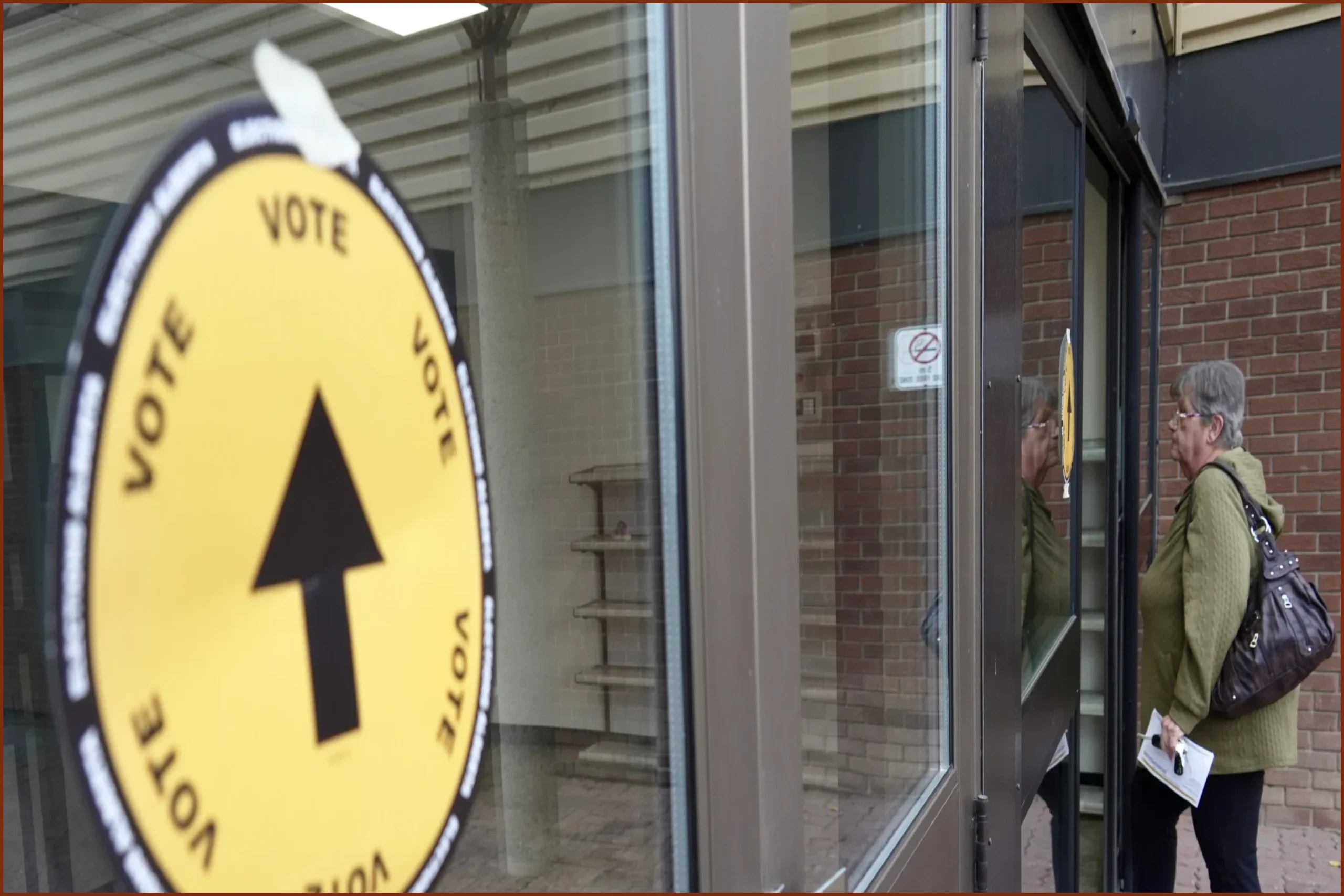
Voters in Canada's oil-rich province of Alberta have delivered a decisive victory for national unity, with early results from a provincial referendum showing an overwhelming majority in favor of remaining part of Canada. According to unofficial data released by Elections Alberta on Tuesday, 77% of voters supported continuing as a Canadian province, while 23% backed the initiation of a formal process toward independence.
The referendum was not a final vote on separation itself, but rather a measure to determine if the province should begin the legal path toward a future departure from the country.
Prime Minister Mark Carney welcomed the outcome, framing the result as a clear mandate for collective progress. In a statement, Carney emphasized that Albertans chose to build together and support one another, declaring that they have ultimately chosen Canada. He noted that this result allows the nation to move forward with efforts to diversify trade, advance major infrastructure projects, and position Canada as a global energy leader with Alberta at the center.
Prior to the vote, the Prime Minister had campaigned heavily in the region, including at a rally in his hometown of Edmonton, where he urged citizens to consider the national future at stake amid a trade war and annexation threats from U.S. President Donald Trump.
Alberta Premier Danielle Smith, who called for the referendum amidst pressure from separatist elements within her governing United Conservative Party, welcomed the result as an endorsement of a stronger role for the province within a united Canada. While Smith has historically opposed independence, she faced internal party pressure to hold the vote.
She indicated she would address the province further regarding the results and the future of Alberta. Thomas Lukaszuk, a former Alberta deputy premier who led the Forever Canadian campaign against separation, praised the result, stating that the country remains solid from coast to coast.
Despite the failed proposal, advocates for separation argued that the movement has successfully transformed from a fringe cause into a lasting political force. Keith Wilson, a prominent leader in the separatist movement, acknowledged that while the results were not final and might fluctuate, the vote demonstrated that at least a quarter of Albertans feel the province requires better treatment from the federal government.
Separatist advocate Jeff Rath suggested that the movement would continue, noting he would be thrilled with 30% support and suggesting that the United Conservative Party could splinter, potentially creating a new pro-independence party.
The political climate in Alberta, often characterized by deep-seated resentment toward the federal government in Ottawa, has been further complicated by external pressures, including threats from the U.S. to make Canada the 51st state. While some voters, such as Taylor MacIsaac and Dustin Degenhardt, expressed frustration with how the federal government handles the province—often comparing their situation to that of a colony—others viewed the referendum as a distraction.
Dave Malka, an Edmonton resident, criticized the expenditure on a “referendum on a referendum” during a time when he believes national unity is essential in the face of international threats. Jake Graham, a Calgary resident, expressed hope that the clear and decisive result would finally put the debate to rest.
The voting process faced logistical challenges, with over 100 polling stations forced to extend hours on Monday due to late openings. The referendum occurred against a backdrop of shifting political dynamics, as former Premier Jason Kenney noted that separatist parties traditionally attracted only 1% or 2% of the vote, with recent mobilization efforts fueled by anger over COVID-19 restrictions.
A voting location in Wainwright, Alberta, is seen on Monday, Oct. 19, 2026. Ty O'Neil/AP hide caption
Canada's Prime Minister Mark Carney signs an autograph as he attends a national unity rally in Red Deer, Alberta, Friday Oct. 16, 2026. John Ulan/The Canadian Press via AP hide caption