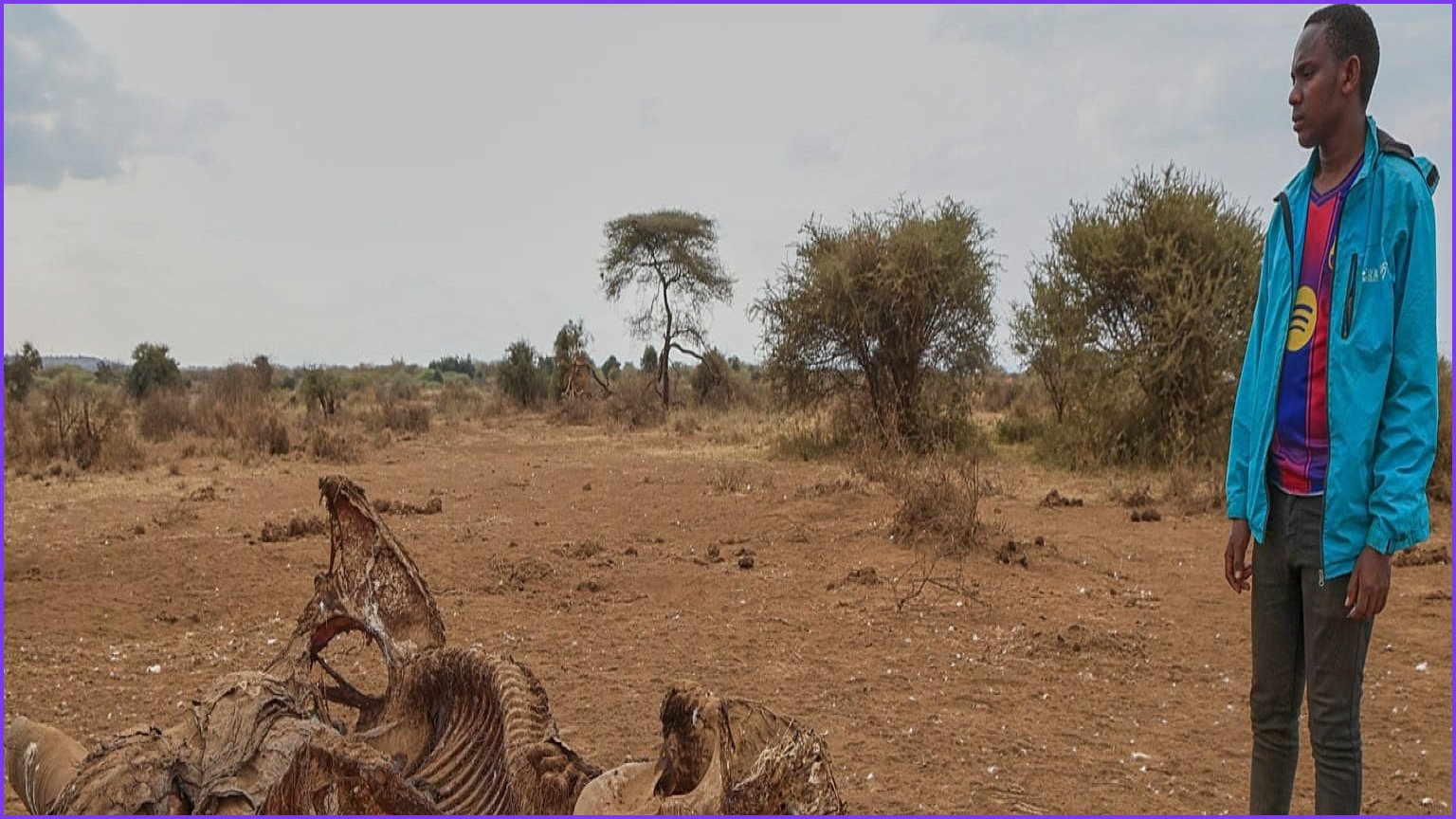
A disturbing series of elephant deaths in a wildlife region of southern Kenya, located near the Tanzanian border and Mount Kilimanjaro, has left experts searching for answers. While the death toll was initially reported at 19 since June, local authorities now confirm the figure has reached 20 as investigations into the cause remain ongoing.
Early tests have suggested cyanide poisoning from pesticides used on nearby farmland. But local wildlife experts say they are not convinced, as other animals feeding on the elephant carcasses have not shown signs of poisoning.
Patrick Papatiti, the head of operations for Olgulului communal lands, described the distressing decline of the animals. According to Papatiti, the elephants exhibit extreme restlessness and significant difficulty in both breathing and walking before they lose the ability to stand. He noted that the animals often lie down and struggle for one, two, or even three days before they eventually die.
Despite the region having previously suffered through a severe drought in 2022, Papatiti emphasized that current environmental conditions do not appear to be the culprit. He stated that there is an abundance of pasture and accessible water in the area, and the ecosystem remains under active protection. Papatiti further highlighted the unusual behavior of local scavengers, noting that hyenas and vultures have been seen feeding on the carcasses without consequence, while flies also appear unaffected. He admitted that the team is currently at a loss, noting that they are still struggling to understand the phenomenon.
The lack of a clear cause has sparked broader fears regarding the potential impact on other wildlife, livestock, and the surrounding local communities. Experts and farmers in the Kimana area continue to monitor the situation closely as investigations proceed, with the ultimate cause behind these deaths yet to be determined.
The uncertainty is also raising concerns about what could happen if the cause affects other animals. "How do we know if this is going to translate into going to livestock?. Then when it gets to livestock, it is going to get to the community, local community around. So, how much are we going to lose until we fight to stop this happening?"