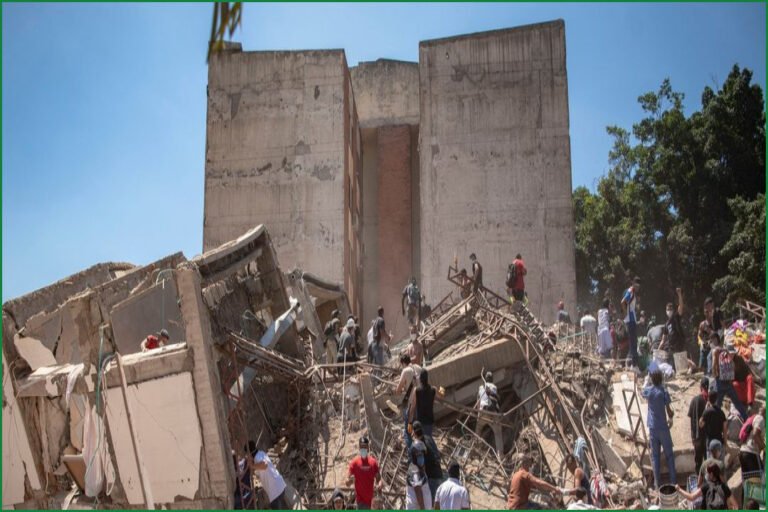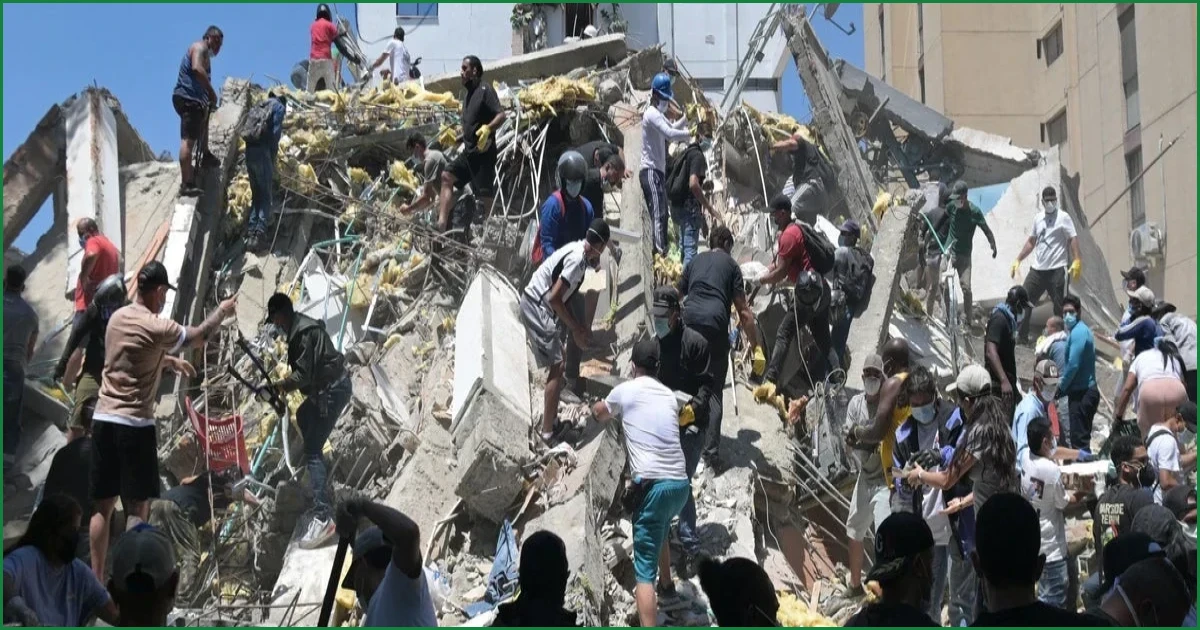
Rescue teams and volunteers are working tirelessly through the rubble in Colombia following the strongest earthquake in the country's history. The 7.4-magnitude tremor struck western regions shortly after 7:30 a.m. local time, causing widespread destruction and panic as residents fled into the streets.
According to the Colombian Association of Capital Cities, at least 132 people have been confirmed dead, while more than 570 others sustained injuries. By Monday night, authorities reported that over 2,700 individuals were still missing. Many families have turned to the internet to share information about their loved ones in a desperate search for answers.
The city of Pereira was among the most severely impacted areas, with power outages leaving the region in darkness as volunteers searched through collapsed buildings. Resident Juan David Gaitan described the scene to AFP, stating, "We're without power. This seems honestly like a zombie city." Footage from the Pereira airport captured chaotic scenes of travelers fleeing as sections of the ceiling collapsed.
In response to the tragedy, President Abelardo de la Espriella, who assumed office only three days ago, has declared a state of emergency. He confirmed Monday night that the entire military and police apparatus has been mobilized to assist in the rescue and relief efforts. Approximately 1,600 buildings across the country have either collapsed or suffered significant damage, forcing some responders to clear debris by hand.
The search continues for individuals like 60-year-old Miguel Ángel Zamora, a farmer from a rural area of El Cairo near the epicenter in San Jose Del Palmar. His niece, Dana Carolina Zamora, shared a photo of him with his dog, expressing fear that his silence may be due to more than just a communication breakdown. Internationally, U.S. Secretary of State Marco Rubio stated that the Trump administration is closely monitoring the situation and stands ready to assist. Humanitarian groups in South Florida are also mobilizing, with Weston city commissioner Fabio Andrade noting that the immediate priority remains rescue and recovery as they await further assessments of local needs.
The 7.4-magnitude quake struck cities across Colombia's western region shortly after 7:30 a.m. local time, sending panicked residents onto the streets.
Around 1,600 buildings across the country were reported damaged or collapsed, with rescue workers and volunteers seen clearing rubble by hand in some places.