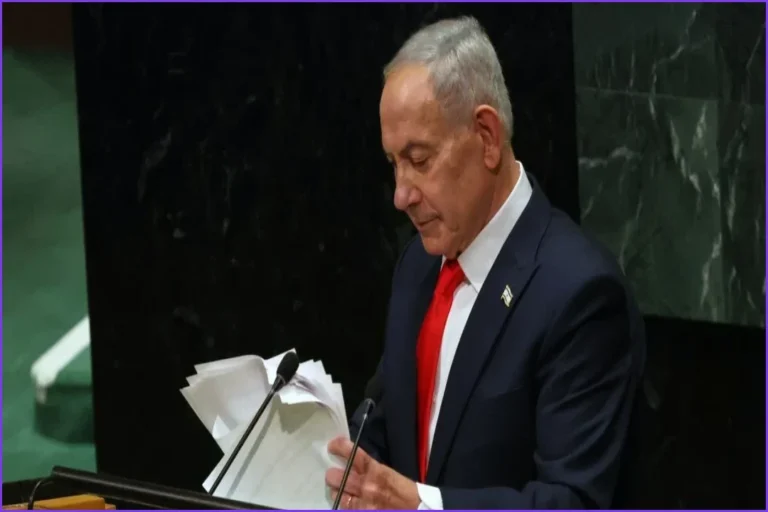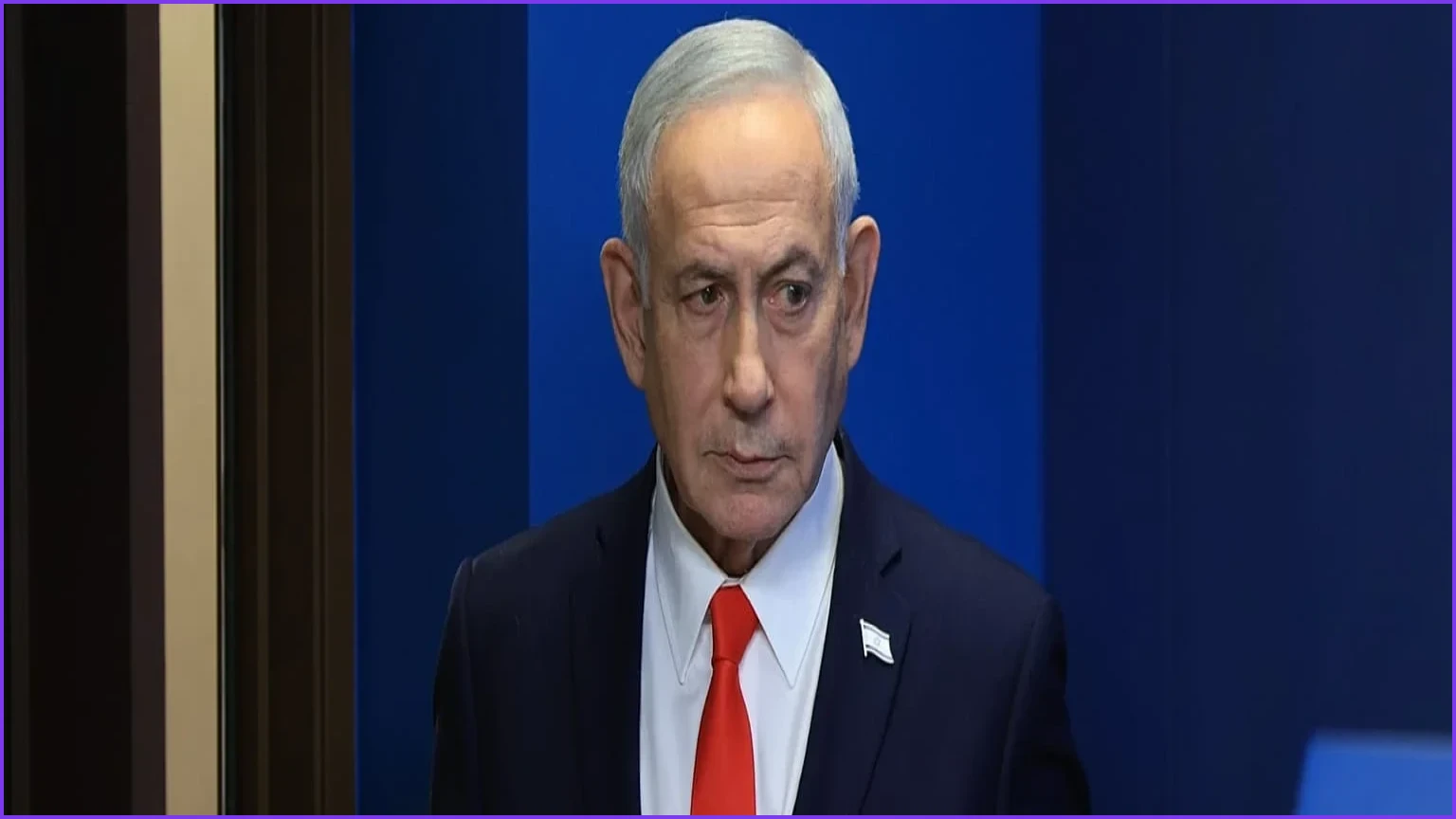
Israeli Prime Minister Benjamin Netanyahu has explicitly rejected a 15-point ceasefire document for the Gaza Strip, despite the proposal receiving support from Hamas. The plan, presented in late July by Donald Trump’s Peace Council, was dismissed by Netanyahu during a cabinet meeting. The Prime Minister stated that the Israeli army would not undertake any withdrawal of forces as long as Hamas remains armed, emphasizing that his government requires "real disarmament, not fictitious disarmament."
Hamas, which recently appointed Khalil al-Hayya as its new leader, had announced its support for the proposal. Bassem Naim, a member of the Hamas political bureau, urged international mediators and the United States to pressure the Israeli government to adhere to the roadmap. Naim suggested that Netanyahu is obstructing the process due to internal political and electoral motivations.
Netanyahu described Donald Trump as "our greatest friend in the White House" but signaled his willingness to challenge the former president on specific terms. While acknowledging that some US ideas are acceptable to Israel, he maintained that his government knows how to stand its ground. The two leaders have recently experienced a growing divide, particularly regarding their approaches to Iran. While Trump previously joined Netanyahu in criticizing Tehran, their positions diverged in April when Trump pursued a ceasefire with Iran amid domestic political pressures and rising oil prices.
Addressing his cabinet, Netanyahu reiterated his commitment to preventing Iran from acquiring nuclear weapons, regardless of any agreements. This stance comes as the Prime Minister faces pressure from his right-wing base and far-right cabinet members, who have urged him to call for a new vote to block the Gaza plan. Polls indicate that the proposal is widely unpopular among this segment of his supporters. Netanyahu, currently Israel's longest-serving leader, is facing a challenging political landscape ahead of the upcoming 27 October elections, the first since the 7 October 2023 attack by Hamas.
The rejected plan had proposed that Israel begin a phased withdrawal of its forces in tandem with the disarmament of Hamas, a timeline the Israeli government has firmly opposed. The situation remains tense, with Netanyahu recently ordering fresh strikes on Lebanon following what Israel termed a ceasefire violation by the Iran-backed group Hezbollah, occurring while US-mediated talks were underway between Israel and Lebanon.