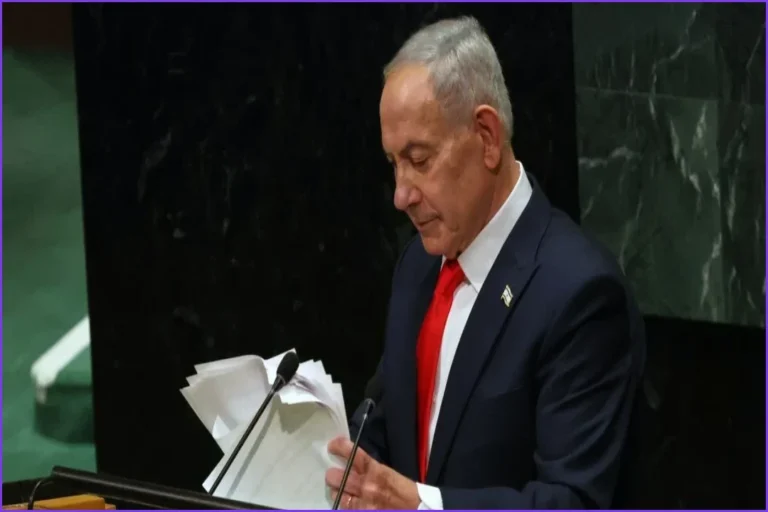
Israeli Prime Minister Benjamin Netanyahu has formally rejected a 15-point peace plan for Gaza proposed by the United States, signaling a rare and public divergence from the administration of Donald Trump. In a statement issued on Sunday, Netanyahu addressed what he described as a wave of rumors regarding potential Israeli weakness and withdrawals, explicitly rebuking American pressure to conclude ongoing conflicts in Gaza, Lebanon, and Iran without Israel’s full consent.
Regarding the situation in Gaza, the Prime Minister stated that Israel cannot accept the 15-point document. He emphasized that the Israel Defense Forces (IDF) will not initiate any withdrawal until Hamas is completely disarmed, clarifying that this requirement encompasses both heavy and light weaponry. Netanyahu described this as a necessity for genuine, rather than fictitious, disarmament and noted that discussions with US officials on the matter are ongoing.
The Israeli leader’s comments appeared intended to demonstrate his commitment to national security ahead of upcoming elections in October, while also responding to pressure from hardliners within his own government. By taking a firm stance, Netanyahu seems prepared to challenge his relationship with Trump to solidify his reputation domestically. He stated, "Unlike all those who lecture us, we do what needs to be done for Israel’s security, and we can and know how to stand our ground, even against our best friends when necessary."
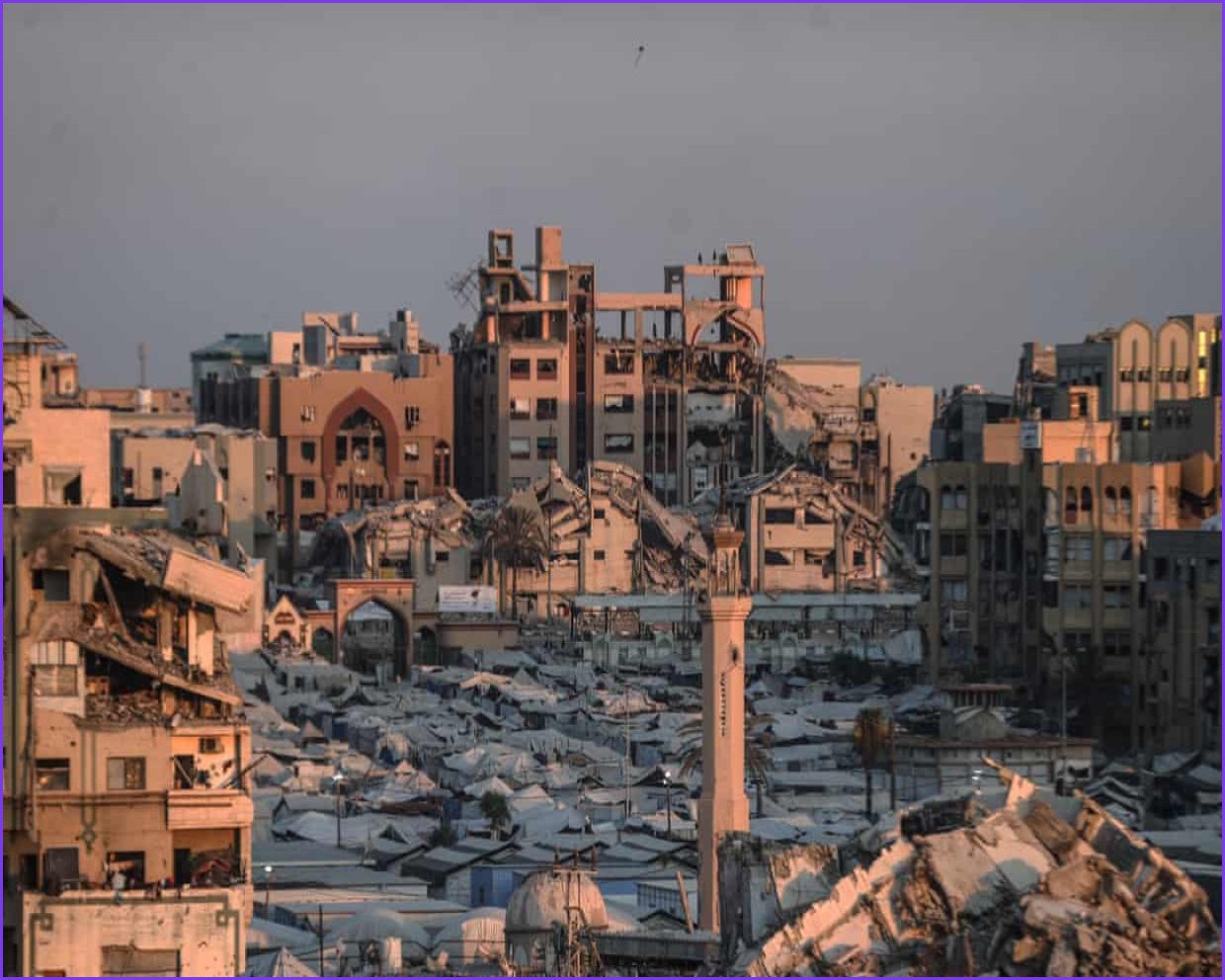
Israel had previously indicated its opposition to the plan, with officials noting that the public version did not align with Israel’s positions. Following the announcement of the plan last month, Israel intensified its military campaign in Gaza, including strikes that killed 18 people last Sunday. Conversely, Nickolay Mladenov, the high representative for the Trump Board of Peace in Gaza, defended the proposal on Israeli television, maintaining that the plan represents the only path forward to prevent future tragedies.
The rejection presents a significant obstacle for the Trump White House, which is eager to establish itself as a mediator in foreign conflicts. The US administration is particularly focused on stabilizing the region to reopen the Strait of Hormuz and influence global oil prices. However, the interconnected nature of the conflicts in Gaza and Lebanon, along with recent joint US-Israeli strikes on Iran, has complicated these efforts.
The current friction highlights the historically complex relationship between US presidents and Netanyahu. While Netanyahu has positioned himself as an ally to Trump, particularly in criticizing Democrats, the political landscape in Washington is shifting. With American midterm elections approaching and emerging skepticism regarding the war in Gaza within the Democratic party—and among figures like Republican vice-president JD Vance—the Trump administration faces a difficult choice between increasing pressure on Israel or allowing its peace initiative to stall.
Like US presidents before him, Trump has found that Netanyahu can be a difficult ally. Bill Clinton, after meeting Netanyahu for the first time in 1996, is reported to have said: “Who’s the fucking superpower here?”
But more broadly, support for Israel and its war in Gaza is eroding in the Democratic party, and the Republicans have a presidential frontrunner for 2028 in vice-president JD Vance, who is publicly sceptical of Israel and the war in Gaza.