A significant archaeological find has been confirmed off the coast of Sicily, where Italian divers have located a 2,100-year-old Roman shipwreck. The vessel, which is estimated to date back to between the 2nd and 1st centuries BC, was found resting at a depth of approximately 150 feet. It is situated about three miles off the coast of Mazara del Vallo.
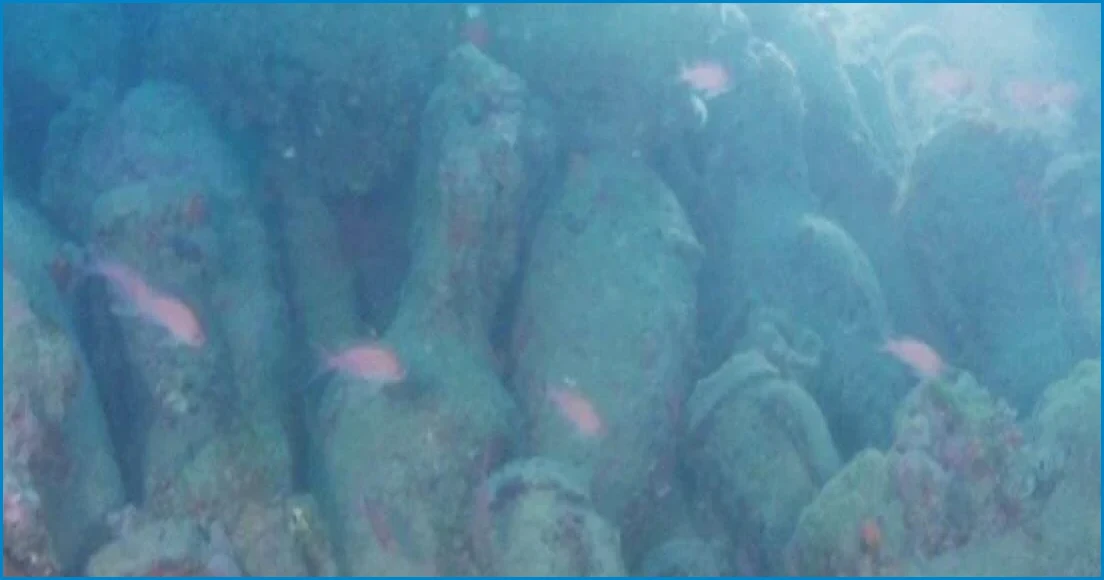
The discovery was initiated by a tip-off from local fishermen, which led divers from the cultural heritage protection arm of Palermo's police to the site. The ship is reportedly 21 meters long and six meters wide and contains a large cargo of well-preserved ancient clay jars known as amphorae. These tall, cylindrical containers, identified as Dressel 1A type, were primarily utilized for the maritime transport of wine.
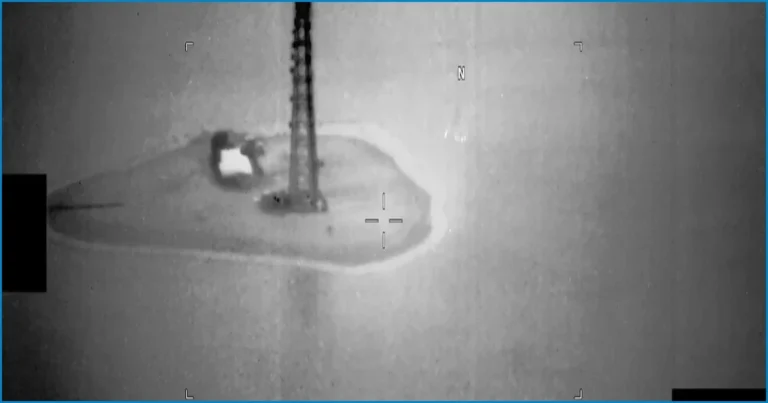
Underwater fisherman Giacomo De Mola, who first spotted the site, initially noticed an unusual shape on his boat's sonar that he mistook for a rock. Upon choosing to dive and investigate, he encountered a vast expanse of amphorae on the seabed. Describing the moment, De Mola noted that the visibility was not optimal, but he was struck by the sight of the cargo, stating that his heart stopped as he realized what lay before him. He emphasized the profound experience of being among the first humans to view the site in nearly twenty centuries and confirmed he immediately reported the findings to the Superintendent of the sea of the Sicilian Region.
Italy's Culture Minister, Alessandro Giuli, has hailed the find as one of the most important underwater archaeological discoveries in recent years. He publicly commended the work of the Carabinieri cultural heritage protection unit and the regional maritime authorities for their role in the investigation.
Scoperto al largo di Mazara del Vallo un relitto romano del II-I sec a.C., con centinaia di anfore.«Una delle più importanti scoperte archeologiche subacquee degli ultimi anni», dichiara il Min Giuli, congratulandosi con @_Carabinieri_ Nucleo TPC e SopMare della Regione Sicilia pic.twitter.com/H1JbfX8MzF
"It's hard to explain what it feels like to be among the first human beings, after almost twenty centuries, to see that place again," he said.