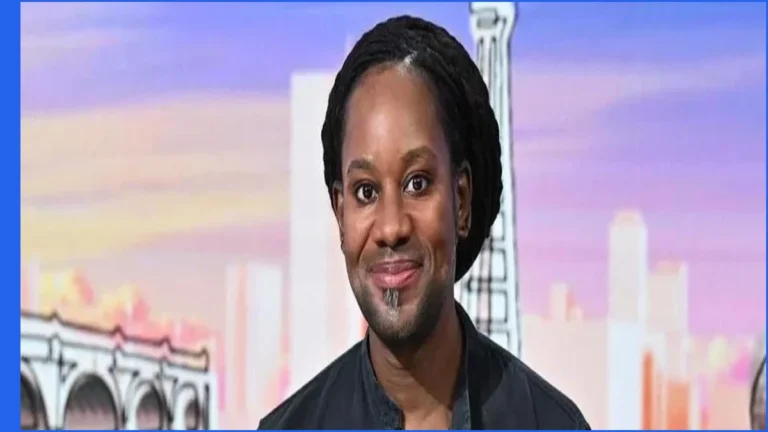
The University of Minnesota has reached a $250,000 settlement with Raz Segal, a scholar whose appointment to lead the school’s Center for Holocaust and Genocide Studies was abruptly rescinded. Segal, who is Jewish, a dual Israeli-US citizen, and a grandchild of four Holocaust survivors, said the significant sum should encourage other scholars who have faced investigations, suspensions, or firings for criticizing Israel to “fight back.”
The settlement follows a public records request by Segal that uncovered dozens of emails revealing a coordinated pressure campaign against his hiring by donors, state legislators, and pro-Israel activists. Documents shared with the public show the university initially defended Segal before reversing its decision. One donor wrote to the board chair threatening to pull pledges if the university allowed a “blatant anti-Zionist” to head the department. Another donor, Lynne Redleaf, warned that the hire would cause fundraising to “grind to a halt,” comparing his appointment to naming an extremist to lead an African American studies department. The university’s then-interim president, Jeff Ettinger, responded to Redleaf, calling her feedback “timely and helpful.”
The controversy intensified after two university professors, Karen Painter and Bruno Chaouat, resigned from the advisory board for the center in protest, accusing Segal of “justifying Hamas atrocities.” Segal has consistently rejected these claims, noting that his writings describe the October 7 attacks as “mass murder” and a “war crime.” His scholarship, however, early on identified Israel’s actions in Gaza as amounting to genocide—a position that has since been echoed by various international bodies and human rights organizations. “I really wish I had been wrong,” Segal stated. “But unfortunately I wasn’t.”
On June 5, 2024, the university offered Segal the position. Just two days later, he was informed via a two-sentence email that the offer was withdrawn due to “additional members of the University community” expressing concerns. By June 13, 2024, a letter signed by 69 state legislators, led by Republican representative Marion Rarick, expressed “elation” that the hiring had been paused.
The Center for Constitutional Rights, which represented Segal, argued that the university’s actions were unconstitutional retaliation against protected speech. While the Jewish Community Relations Council (JCRC) confirmed it organized opposition to the appointment, arguing that his views were inappropriate for a community-facing center, many others stood in his defense. Scores of Jewish professors and 40 leading Holocaust and genocide scholars signed letters warning that the university’s reversal set a “dangerous precedent” for academic freedom. Beth Gendler of Jewish Community Action also urged the university not to accept the “false assertion of one consensus voice for Minnesota Jews.”
Segal, who currently serves as a tenured professor at Stockton University in New Jersey, remains steadfast in his academic work. Reflecting on the ordeal, he noted that the university leadership “determined that I’m the wrong kind of Israeli and the wrong kind of Jew.”