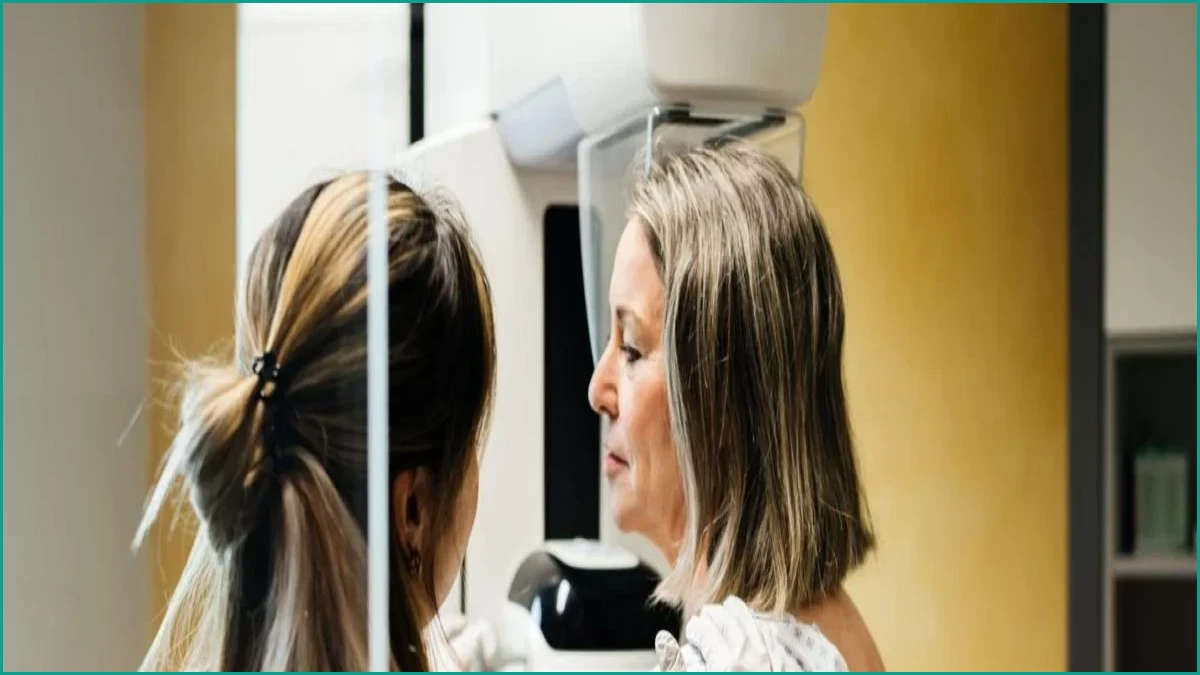
A recent study has warned that current NHS criteria for screening women under 50 for breast cancer are excessively narrow, potentially missing up to 95% of those at an elevated risk of developing the disease. The research, conducted by a team from Cambridge University and the Institute of Cancer Research, suggests that existing guidelines set by the National Institute of Health and Care Excellence (Nice) focus too heavily on inherited genetic factors while ignoring other critical influences such as lifestyle.
Currently, routine mammogram screenings are offered to older women, while those under 50 are typically excluded unless they possess a significant family history of breast cancer. In England, Nice guidance suggests that GPs should inquire about family history if a patient expresses concern, or if the woman is over 35 and using an oral contraceptive or considering hormone replacement therapy (HRT).
While hormones have been linked to a slightly increased risk, the researchers note that obesity and alcohol intake are also substantial risk factors.
To evaluate these risks more effectively, the team utilized a tool called Boadicea, which calculates a risk score by combining family history, genetic data, reproductive history, and lifestyle factors. The study, published in the British Journal of Cancer, found that if this tool were applied to all women under 50, approximately 26.5% would be categorized as being at an above-average risk and referred for further assessment.
This group would encompass about 34.8% of women under 50 who develop breast cancer within a decade. By contrast, the current Nice criteria result in only 1.4% of women in this age group being referred, capturing just 4.4% of those who eventually develop the disease.
The disparity exists largely because 73% of women under 50 who develop breast cancer within a decade have no family history of the condition. While breast cancer is a leading cause of death for women under 50 in the UK, only 5-10% of cases are linked to inherited genes. Most cases, 96%, occur in women over 40, with 25% affecting those over 75. Additionally, men can be affected, with approximately 420 new cases in the UK annually.
Lead researcher Dr. Juliet Usher-Smith suggested the NHS should review its criteria, though she acknowledged that increased referrals could heighten workloads and cause unnecessary anxiety. Dr. Sowmiya Moorthie of Cancer Research UK echoed these concerns, emphasizing that any changes must be accessible and equitable.
Nice responded that while it recognizes the potential of multifactorial tools, current evidence does not yet warrant a change to existing guidelines. All women are encouraged to remain vigilant about their breast health and consult a doctor if they notice any unusual changes.
Several breast cancer risk calculators like Boadicea already exist and none are perfect.