The regional elections in Pakistan-administered Kashmir have been marred by deadly violence, leaving dozens dead and a local population gripped by fear. In the city of Rawalakot, located in a region of about 4.5 million people, intense clashes between security forces and demonstrators from the Joint Awami Action Committee (JAAC) have turned local streets into conflict zones.
With roads heavily guarded or blocked and the internet completely cut off, the true scale of the crisis is only beginning to emerge through the testimonies of local residents and medical workers operating under extreme duress.
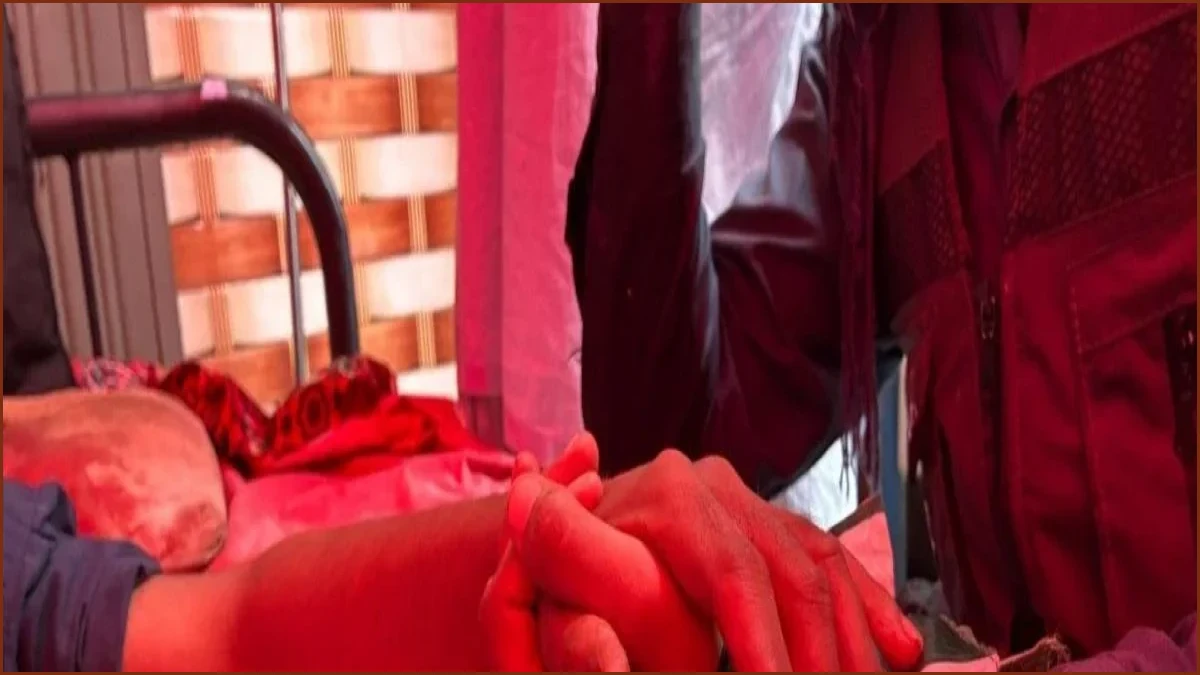
Near the center of the protests, a local physician named Dr. Anwar—whose name has been changed to protect his safety—has set up a makeshift clinic. Utilizing a spare bedroom for medical supplies and placing a bed under a red tarpaulin outside, he treats those caught in the crossfire. Among his patients is Shafqat Hussain, who lies dying from a chest gunshot wound, his sheet stained with the blood of previous victims.
According to Dr. Anwar, his clinic has treated between 50 and 60 critically injured individuals since July 27, including 15 to 20 patients suffering from direct gunshot wounds. He explains that while his temporary facility can administer basic first aid, halt bleeding, and remove superficial bullets, patients with severe trauma to the head, chest, or abdomen urgently require advanced hospital care.
However, many injured protesters refuse to seek treatment at major state hospitals due to a deep-seated fear of being arrested or targeted by authorities. Although government officials insist these fears are entirely unfounded, the medical reality on the ground remains grim. Dr. Anwar notes that the vast majority of those killed or severely wounded are young people, typically ranging in age from 15 to 35, with very few patients over the age of 40.
At Shafqat Hussain's bedside, his friend Ali wept as he questioned the heavy-handed response from security forces. He stated that the demonstrators were only demanding basic human rights, affordable electricity, and reasonably priced flour, questioning why live ammunition was being used against them.
The underlying grievances of the JAAC center on economic and social rights, specifically protesting soaring electricity rates, inadequate healthcare, and poor educational infrastructure. Protesters point out that an agreement signed in October with both the Pakistani federal government and the local government of Pakistan-administered Kashmir was supposed to address these concerns, but they argue it was never implemented.
Conversely, the local administration rejects this narrative, asserting that the JAAC is an armed faction intent on disrupting the ongoing local elections. Authorities have firmly blocked the group from marching toward Muzaffarabad, the regional capital.
The human cost of the standoff is felt deeply by local families. Asma, a local resident, recounted the moment she discovered her only son had been shot while she was participating in the demonstrations. Describing him as a beloved family member who believed dying for justice was an honor, she emphasized that they are not terrorists and were merely asking for their rights.
Another grieving father, Ayub, a retired military veteran who served during the martial law regimes of General Zia-ul-Haq and General Pervez Musharraf, expressed profound shock at the current state of affairs.
While he did not blame the federal Pakistani government or the military, he held the local administration of Pakistan-administered Kashmir responsible for deploying paramilitary forces, calling the situation an extreme injustice against innocent youth.
In defense of their actions, the regional government has strongly rejected accusations of indiscriminate firing on peaceful assemblies. Officials state that law enforcement personnel targeted only those individuals who actively assaulted security staff, threatened public safety, or obstructed legal authority.
To support their claims, authorities have released drone footage showing individuals they identify as JAAC members carrying firearms on city rooftops.
At various press conferences, police have displayed confiscated weapons and detailed casualties suffered by security forces. They also highlighted the confession of a detained individual who claimed he was offered a reward of 10 million rupees (approximately £26,700) for every paramilitary officer killed.
Umar Nazir, a member of the JAAC's core committee currently in Rawalakot, disputed these allegations. While acknowledging that security personnel had lost their lives, Nazir suggested that government-controlled operatives had infiltrated the JAAC's ranks to perpetrate violence and validate the state's aggressive crackdown.
He offered no concrete evidence to back this claim. Government officials have dismissed such allegations, accusing the JAAC of orchestrating a widespread disinformation campaign, particularly across social media platforms.
Meanwhile, Rawalakot is facing severe daily hardships. The city is experiencing acute food shortages, forcing residents to share limited resources, while most commercial shops remain shuttered. Motorbikes are being used to smuggle bags of rice into the city. Some access roads are blocked by felled trees—an action the government attributes to the JAAC—while other key entry points feature heavily armed security checkpoints.
The local government has denied blocking food and medicine, claiming instead that they are actively facilitating the entry of essential supplies. Despite the tense and highly volatile atmosphere, with repeated gunshots echoing through the night from unidentified sources, the JAAC remains resolute, with further protests planned as the political standoff continues.
"Most of those who have been killed or seriously injured are young people between about 15-16 years old and 32-35 years old. I have seen very few patients over the age of 40."
"My son had done nothing wrong. None of the protesters had done anything wrong.