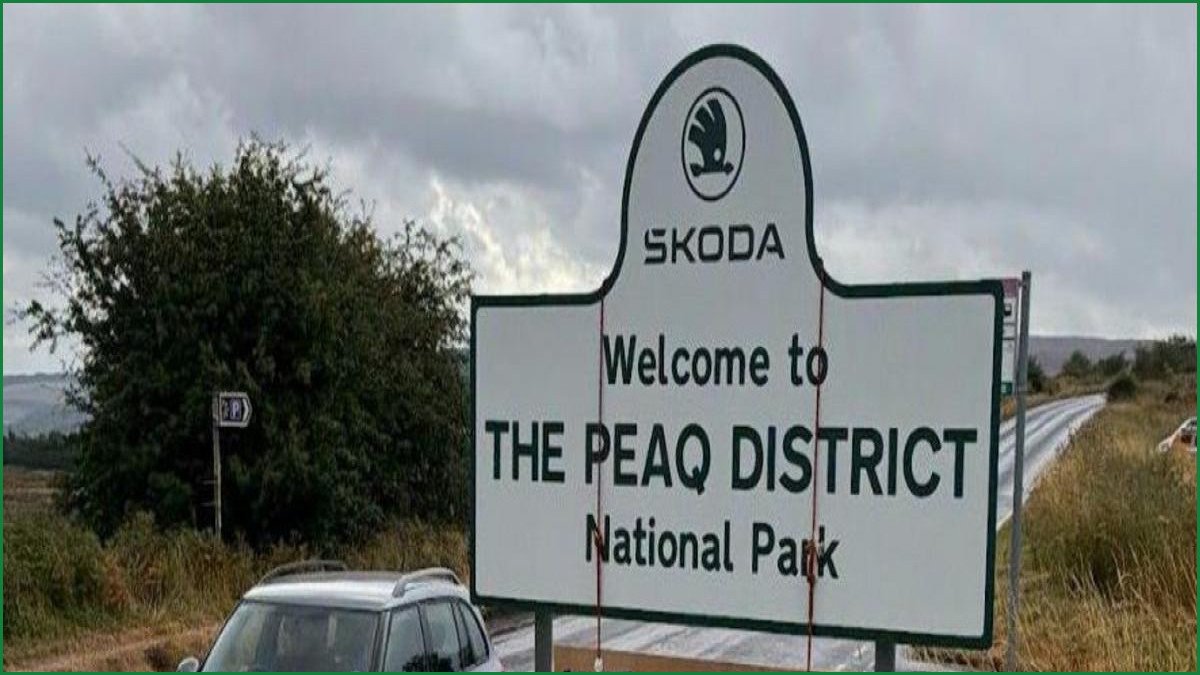
A temporary promotional partnership between the Peak District National Park Authority and car manufacturer Skoda UK has ignited a fierce debate over corporate sponsorship and the financial survival of the UK's protected landscapes. The deal, which involved altering park signs to promote a new electric vehicle model by spelling 'Peak' with a 'Q' to match the brand's naming style, has drawn sharp criticism from local residents and environmental campaigners alike.
Critics argue that commercializing the park's identity sets a worrying precedent. One campaigner warned that if national parks are willing to sell their names to the highest bidder, it places these highly protected landscapes on a trajectory toward industrial extraction. Skoda UK defended the initiative, stating the partnership was intended to spark positive conversations and encourage people to enjoy the Peak District in a responsible manner.
However, campaigners remain unconvinced, telling reporters that the deal raises broader questions about how national parks are funded and whether growing financial pressures are forcing authorities into commercial agreements that conflict with their core environmental purposes.
The Peak District National Park is primarily funded by the Department for Environment, Food and Rural Affairs (Defra), with an allocated £6 million for the 2025-26 financial year. However, figures from the Campaign for National Parks show that government funding for National Park Authorities was cut by 9% in that financial year.
The group estimates this has contributed to a 40% real-terms funding reduction since 2010, occurring alongside record-high visitor numbers.
In response to funding concerns, the government has pointed to its investment of £37 million in national parks over the next three years, in addition to £30 million designated for special habitats and species.
Phil Mulligan, chief executive of the Peak District National Park Authority, welcomed the temporary rebranding as exciting, explaining that the undisclosed but 'reasonable' sum received would directly support conservation, heritage, and access initiatives. Asked whether he anticipated the negative response from some residents, Mulligan said he did because people were "passionate about the national park".
He explained that while the national park is free for everyone to enjoy, delivering its services is not free. With a declining government grant, he argued that partnering with others is a positive step that allows the authority to secure vital financial contributions for the park's enhancement.
Opposing the move, campaigner Harry Brook joined a protest at one of the altered signs located at the Surprise View car park near Hathersage. Brook expressed sympathy for the funding challenges faced by Mulligan but argued that landscapes should not be commodified, particularly on the 75th anniversary of the park.
He compared relying on corporate cash to a 'sugar high' that would inevitably leave the park wanting more, questioning why authorities must resort to selling naming rights during a climate and biodiversity crisis when investing in national parks should be treated as a strategic priority.
Public reaction on the ground has been highly divided. Resident Dawn Fleetham expressed disapproval, stating the rebranded sign simply did not fit the Peak District. A male visitor said: "I'm against some of the capitalist, advertisment stuff – it's like the same with football stadiums being named after brands.
Having the traditional names is better in my opinion." Conversely, another visitor supported the initiative, calling it good advertising that gets plenty of visibility.
Visitor James Dawson found the change peculiar, pointing out that 'Peak' is not spelled with a 'Q' and saying, "I don't know what relevance Skodas have with the Peak District."
This is not the first time a corporate brand has partnered with a UK national park. To address growing financial challenges, National Park Partnerships was established in 2016 to build commercial relationships. These partnerships secure funding for conservation, visitor access, climate, and community projects while allowing brands to align with protected areas.
For example, BMW UK launched a three-year 'Recharge In Nature' partnership in 2022 to enhance the electric vehicle charging network across all 15 UK national parks while supporting biodiversity and wellbeing initiatives.
Other major brands involved in park partnerships include high street bank Santander UK, which funded the restoration of 220 hectares of damaged peatland across three national parks, as well as mobile networks Vodafone and Three, and beauty giant Estée Lauder.
Debbie Stockwell, executive director of National Parks England, emphasized that authorities must be innovative to raise income from diverse sources. While she welcomed the 2026-2027 government funding settlement to deliver core services, she noted that national park authorities have faced a decade of reduced central funding and rising costs.
Stockwell explained that National Parks England remains committed to diversifying its funding, noting that authorities were recently granted increased powers by the government to help secure corporate and philanthropic contributions.