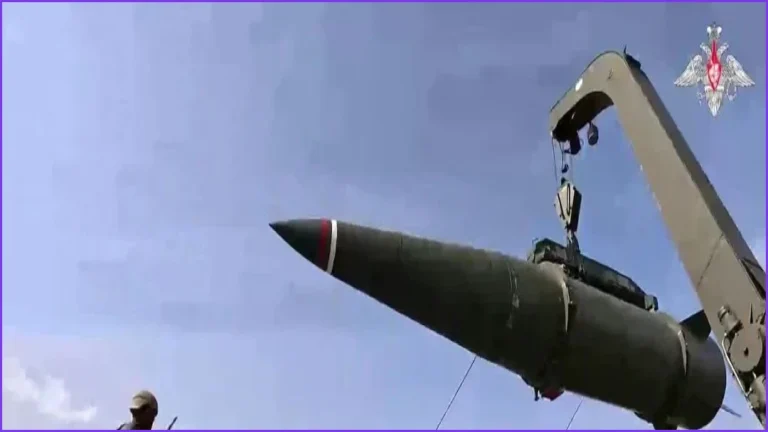
President Trump announced on Saturday, August 1, 2026, that he would order a halt to military strikes on Iran after parameters were reached for a deal aimed at ending the war. Israel has agreed to join the United States in its commitment to complete this agreement with Iran.
The announcement follows a period of escalating tensions, during which Trump had threatened more strikes on Iran on Friday, July 31, pressing for the reopening of the Strait of Hormuz. Speaking at the Camp David presidential retreat in Maryland, Trump stated the U.S. wanted to “win” in Iran and would hit the country “very hard” until they could no longer withstand it.
White House press secretary Karoline Leavitt expressed the U.S. administration’s frustration, noting that Tehran had signed a memorandum of understanding on a truce last month but then “broke it, shot at commercial ships, and killed American soldiers.”
Prior to Trump’s Saturday announcement, Saudi Crown Prince Mohammed bin Salman, the kingdom’s de facto leader, spoke with Trump by phone. The Crown Prince raised concerns about the U.S. potentially escalating the conflict with Iran and sought clarity on any new actions Trump was considering. Saudi Arabia and other Gulf countries are reportedly concerned that Tehran could retaliate with attacks on their energy infrastructure.
Regional instability was evident with new incidents reported across the Middle East. Kuwait’s military announced on Saturday that its forces were responding to drone attacks from Iran, which hit “a number of vital facilities,” including a government structure in the country’s north. Maj. Gen. Saud Abdulaziz Al-Otaibi, spokesperson for Kuwait’s Defense Ministry, confirmed there were no casualties.
In the strategic Strait of Hormuz, the British Navy reported a tanker was struck and a separate explosion occurred close to another vessel. The United Kingdom Maritime Trade Organization (UKMTO) stated that an unknown projectile hit a vessel on Friday, 11 nautical miles northeast of Lima, Oman, damaging its engine room. On Saturday, a large splash and explosion were reported near another tanker sailing 21 nautical miles northwest of Khasab city. No casualties were reported in either incident. Satellite images also revealed crude oil leaking and spreading in recent days from a sanctioned tanker grounded off the coast of Oman, near a marine protected area. Iran has previously attacked vessels attempting to transit the Strait of Hormuz without its authorization.
Due to the escalating tensions, the U.S. State Department issued new security alerts on Saturday for Americans in 10 countries in the region: Bahrain, Israel, Iraq, Jordan, Kuwait, Lebanon, Oman, Qatar, Saudi Arabia, and the United Arab Emirates. U.S. citizens were urged to exercise heightened caution and prepare for potential flight cancellations, temporary airspace closures, and other travel disruptions.
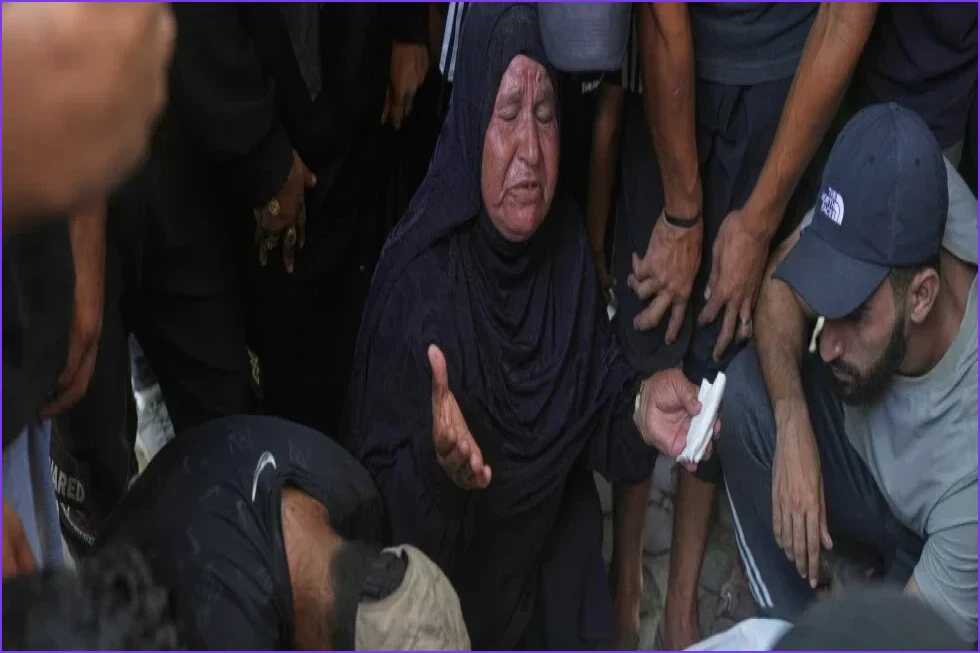
Meanwhile, developments in the Gaza Strip saw intense Israeli strikes on Friday night and Saturday, killing at least four people in central and northern Gaza and wounding dozens more, according to local health officials. These strikes followed evacuation warnings by Israel’s military, which stated it had hit Hamas targets and dismantled five Hamas storage facilities across the territory.
The Israeli strikes came after the Palestinian militant group Hamas confirmed on Friday its agreement to disarm, a potential breakthrough for ending the war in Gaza, though major obstacles remain. The proposed agreement calls for Hamas to disarm and transfer power to an independent Palestinian administration, with Israel withdrawing and an International Stabilization Force being deployed. Egypt, a key mediator, lauded Hamas and other Palestinian groups for their “positive response” to the phased peace plan.
Palestinians in Gaza, many of whom are displaced or live in camps, received the news with mixed feelings of hope and skepticism. Abdel Moneim Aboul-Roos, a 24-year-old tuk-tuk driver who lost his leg in an Israeli strike, expressed that he doesn’t care about “talk about withdrawal and disarmament” as long as essential supplies like food and medicine remain scarce.
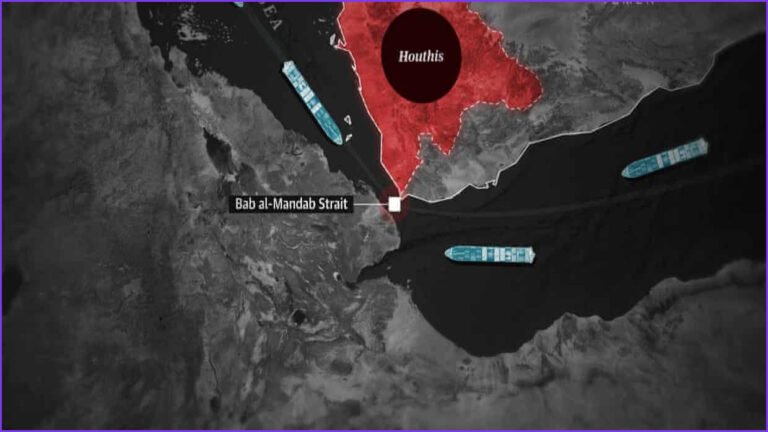
Elsewhere in the region, Houthi rebels forced eight Saudi ships to reroute from the Bab el-Mandeb strait after the Iranian-backed group announced a blockade on Saudi shipping. Brig. Gen. Yahya Saree, the military spokesperson for the Houthis, stated on Friday that the vessels changed course to the Cape of Good Hope around Africa to avoid the blockade.
In southern Lebanon, Israeli forces conducted explosions on Friday to destroy an underground tunnel network beneath the 12th-century Beaufort Castle, also known as Al-Shaqif. Israel claims the network was used by Iran-backed Hezbollah militants as a command center. The castle, seized by Israeli forces in May, was recently added to UNESCO’s World Heritage List despite Israel’s objections. Lebanon’s President Joseph Aoun commented that the Israeli operation sent “negative messages” ahead of upcoming talks in Rome, where Israeli and Lebanese negotiating teams are set to continue discussions on a plan for Israel’s withdrawal from southern Lebanon in exchange for Hezbollah’s disarmament. An Israeli army officer was moderately wounded in an encounter with Hezbollah militants in southern Lebanon overnight into Saturday. Thirty-eight Israeli soldiers have been killed in Lebanon or northern Israel since that conflict reignited after the start of the Iran war.