Spanish authorities have successfully reversed a massive surge of migration into the Spanish enclave of Ceuta, located in North Africa. According to the Spanish Interior Ministry, approximately 50,000 people crossed the border starting Thursday morning, with 48,300 of those individuals having returned to Morocco by 6 pm on Friday. Juan Jesus Vivas, the head of the local government in Ceuta, suggested the number of people who pushed across the border over the last several days reached as high as 60,000.
Tragically, the incident has resulted in loss of life. The Spanish government’s representative in Ceuta confirmed that 57 bodies have been recovered on the Spanish side of the border. Officials noted that some victims drowned while others were crushed while attempting to scale the breakwater that supports the border fence. There are concerns that additional casualties may have occurred on the Moroccan side of the border. Moroccan security forces were observed using batons, tear gas, and water cannons to disperse crowds attempting to enter the Spanish territory.
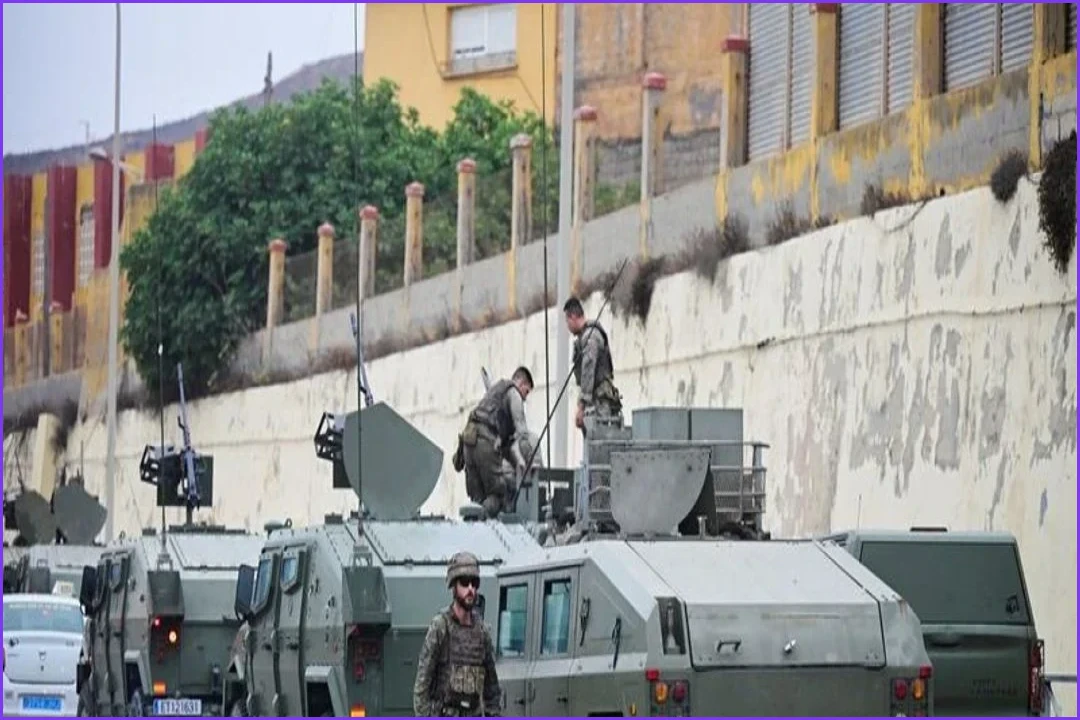
As the situation unfolded, Spanish military vehicles were deployed to line sections of the border. Meanwhile, migrants were seen returning to Moroccan territory through border posts and gaps in the fencing. Many expressed frustration with the conditions they encountered, noting a lack of food and shelter. One young man from Tangier remarked that he did not know why he had come and stated that the experience was neither good nor enjoyable. A 20-year-old hairdresser from Larache, identified as Ayman, claimed he swam for five hours to reach the enclave but found no food and was treated harshly by the Spanish military.
Spanish Prime Minister Pedro Sanchez visited Ceuta on Friday, describing the mass entry as a violation of Spain's territorial sovereignty. He stated that the government is accelerating the repatriation of those who entered illegally, working in full cooperation with Moroccan authorities. The incident has triggered friction within Europe, as various EU leaders called for Spain to contain the situation. Italy specifically moved to suspend the Schengen border-free arrangements with Spain, a decision Madrid argued was a violation of European Union treaties. Furthermore, tensions rose after Italian Foreign Minister Antonio Tajani suggested that Spain’s amnesty policies had encouraged human trafficking, prompting Spain to summon the Italian ambassador in protest. Ceuta and Melilla, which serve as the European Union's only land borders with Africa, frequently face attempted crossings, but officials described the scale of this week's surge as unprecedented.