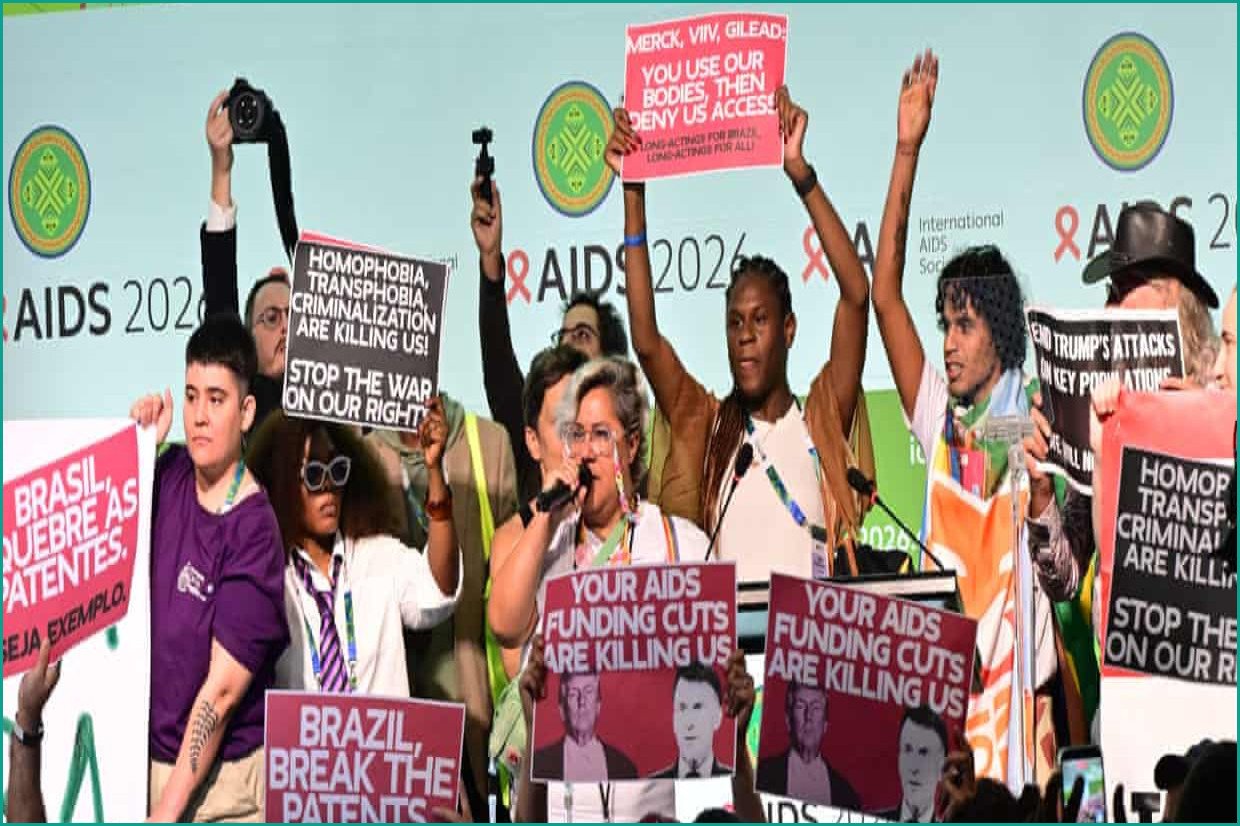
Medical experts gathering at the Aids 2026 Conference in Rio de Janeiro, Brazil, have issued a stark warning: while new advancements in HIV prevention offer the potential to significantly reduce global infection rates, severe cuts to US foreign aid are creating insurmountable barriers for those who need these treatments most. Central to this discussion is lenacapavir, a long-acting injectable version of the HIV prevention drug PrEP that requires only two doses per year. The World Health Organization (WHO) recommended in 2025 that governments prioritize access to this medication, noting its potential to be a game-changer for individuals who struggle with daily pills or bimonthly injections due to poverty, stigma, or geographical isolation.
A collaborative mathematical modeling study by the WHO and the United Nations suggests that widespread availability of lenacapavir could prevent 41% of new HIV infections in South Africa, Zimbabwe, and western Kenya. Despite this promise, the reality on the ground is grim. The Trump administration’s dissolution of USAID—an agency that previously provided 73% of donor-funded resources for global HIV prevention, according to The Lancet Global Health—has led to a dramatic decline in worldwide funding. Beatriz Grinsztejn, president of the International Aids Society and an infectious disease physician at Fiocruz, stated that these financial losses are deeply affecting the delivery of new technologies and reducing the number of people engaged in care and prevention services.
The impact extends beyond the medication itself, as organizations are increasingly unable to maintain essential peer outreach. Ailish Brennan, a policy analyst at Harm Reduction International, emphasized that peer workers are vital for building trust with people who inject drugs, a group at high risk for HIV. Due to funding shortages, many organizations are shutting down physical and mobile locations. This forces clients to travel further for services, causing them to lose their local points of contact and, ultimately, access to life-saving innovations. Furthermore, advocates point out that even before the dissolution of USAID, many nations in Latin America—including Brazil, Colombia, Mexico, Peru, and Argentina—were excluded from affordable access agreements with pharmaceutical companies like Gilead Sciences, which classifies them as "upper middle-income countries."
While the goal of eliminating AIDS as a public health threat by 2030 remains a target for UNAIDS, experts like Grinsztejn are increasingly pessimistic. She noted that given the current scenario of massive funding reductions and limited access, achieving these critical health targets appears increasingly difficult.