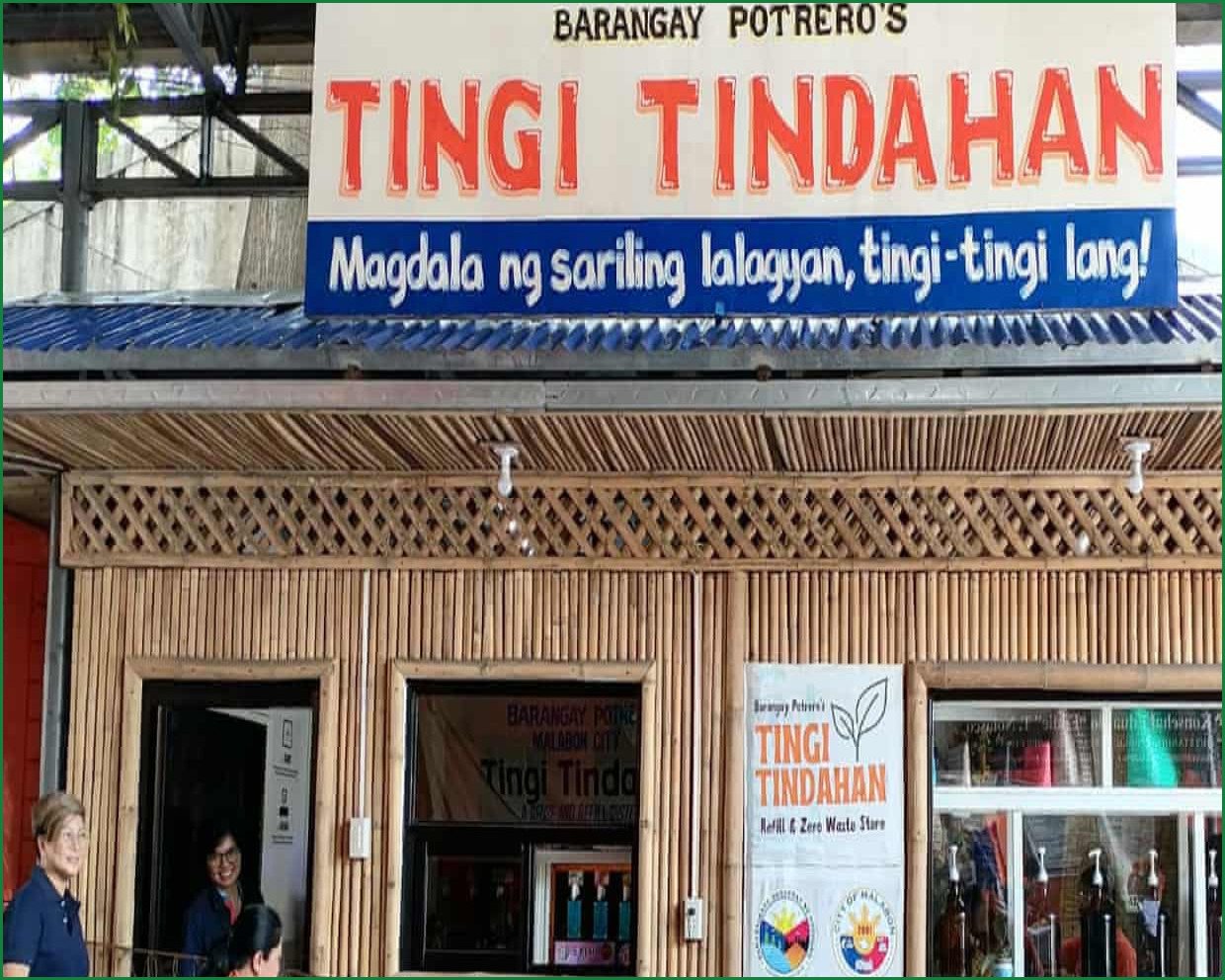
In the low-lying, flood-prone district of Potrero in Malabon City, Philippines, a community initiative is taking aim at the nation's overwhelming plastic crisis. Known as Tingi Tindahan, this zero-waste shop was established in July 2024 to provide residents with an affordable, plastic-free alternative to the single-use sachets that clog the city's drains and waterways every typhoon season. The country faces a staggering volume of waste, with an estimated 164 million sachets used daily and at least 2.7 million tons of plastic generated annually. For the residents of Potrero, the impact is visible when storms bring recurring floods, leaving behind piles of non-biodegradable debris from multinational brands.
Khate Nolasco, a local councillor and vice-chair of the district environment committee, spearheaded the project by repurposing a vacant space in front of the barangay office. The shop operates on the traditional Filipino concept of "tingi," or buying goods in small, piecemeal quantities, but removes the plastic packaging. In the Philippines, buying goods in affordable, piecemeal quantities is woven into daily life. Decades before plastics became ubiquitous, Filipinos brought used glass jars and bottles to buy household essentials and often carried locally woven wicker bags for bulkier goods. Instead, products like soy sauce, cooking oil, flour, and sugar are stored in large glass jars and dispensed using spouts or scales. Customers bring their own reusable containers, ranging from water bottles to old biscuit tins. To ensure accessibility, the shop is staffed by local waste monitors who also produce the store's liquid cleaning products using factory-sourced ingredients.
Although initial reception was hesitant, residents have increasingly embraced the shop due to its competitive pricing. For instance, 100ml of vinegar is 3 pesos cheaper at Tingi Tindahan compared to the 8-peso price tag typically found in grocery stores. The Mother Earth Foundation (MEF) has further supported the effort by providing a retrofitted vending machine that allows residents to purchase essential liquids even during evening hours. Regine Nayve, an MEF campaigner, notes that this model successfully challenges the perception that refill shops are only for the affluent, proving that sustainable choices can be accessible to low-income households. "Perhaps people get intimidated because of how these stores look, and because they are usually located in richer areas where people can buy in bulk," she says. "We want to challenge the notion that refilling is expensive – it’s not. It makes choices more accessible."
The initiative has already diverted an estimated 145,000 sachets from landfills in its first year. Despite this success, marine scientist Deo Florence Onda emphasizes that the burden of plastic pollution should not fall solely on local communities. He argues that corporations profiting from sachet distribution must be held accountable for the entire life cycle of their products. While a 2022 national law mandates that large companies recover their plastic packaging or face fines of at least 5 million Philippine pesos, campaigners report that implementation has been slow and met with corporate resistance.
Local efforts in places like Malabon remain critical as the country struggles with the lack of robust, nationwide waste management policies. In the absence of a strong nationwide policy, some cities and provinces have stepped up. Some had been successful in prohibiting or regulating single-use plastics, while others have faced roadblocks. In 2013, Malabon attempted a citywide ban on plastic packaging, but this has since been withdrawn due to concerns from industry and other stakeholders. The city is home to several plastics manufacturers. While past attempts at citywide plastic bans have faced pushback from industry stakeholders, Nolasco remains committed to the project. As another typhoon season brings the threat of flooding, she hopes the Tingi Tindahan model will be replicated by other districts, proving that local action can provide a tangible solution to a pervasive environmental challenge.
Khate Nolasco, a councillor in Potrero, a barangay (district) in Malabon, feels this problem acutely. Every typhoon season – at least 20 storms barrel through the country each year – the low-lying, flood-prone city is awash in rubbish, clogging estuaries and drains. Clearing operations can take as long as a month, she
“Even if we collect waste every day, it feels never-ending,” says Nolasco, 32, a vice-chair of the district environment committee.