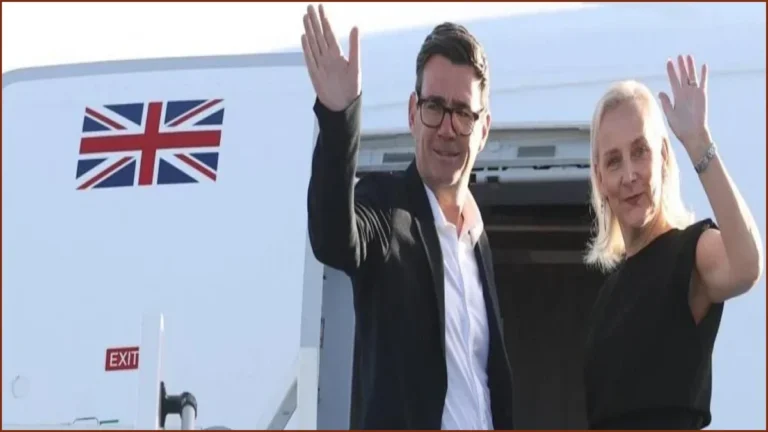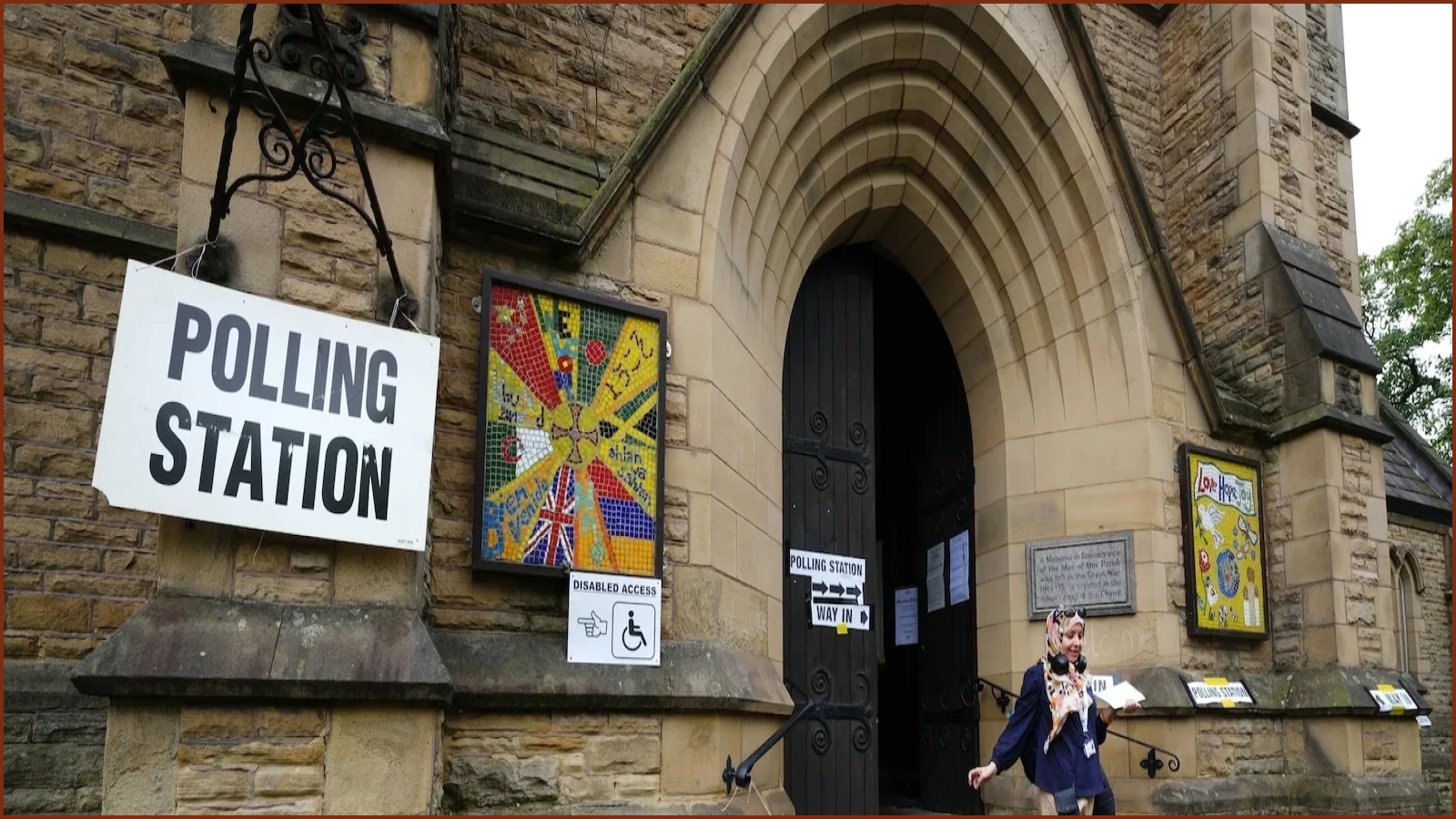
Voters across the Greater Manchester region are heading to the polls this Thursday to elect a new mayor, filling the vacancy left by Andy Burnham. Burnham, who served as mayor for nine years, stepped down from the role following his victory in a special parliamentary election last month, which eventually led to his appointment as Britain’s prime minister on July 20.
Polling stations are scheduled to remain open from 7 a.m. until 10 p.m., with the official vote-counting process set to begin on Friday morning. The election serves as a significant test for the governing Labour Party, as approximately 2 million eligible voters have the opportunity to signal their approval or disapproval of the party’s current national direction. Burnham, who secured electoral victories in 2017, 2021, and 2024, has expressed his desire to see the party retain the seat, publicly urging voters to support Labour candidate Bev Craig, the current leader of the Manchester City Council. He noted that his tenure as mayor was an “immense privilege” and encouraged constituents to back Craig to continue the progress achieved during his time in office.
The region, which encompasses the city of Manchester and its surrounding towns with a total population of roughly 3 million, is witnessing a crowded race. Craig faces competition from six other candidates, including Sian Astley of the Reform UK party. Reform UK has gained traction in parts of Greater Manchester, with party leader Nigel Farage highlighting Astley’s background as a city councilor and business owner, contrasting her with what he described as “career politicians.”
The political landscape in the area has been shifting, as evidenced by the Green Party’s victory in the Gorton and Denton district during a special parliamentary election in February. This outcome, which placed Labour in third, contributed to the internal pressures that ultimately led to the resignation of former Prime Minister Keir Starmer. In response to these challenges, the current mayoral race is being closely watched as a measure of Labour's regional strength.
The election utilizes a system where voters can select both a first and second preference. Should no candidate secure 50% of the first-round vote, a runoff will occur between the top two candidates, incorporating the second-preference votes from those eliminated. Rob Ford, a professor of politics at the University of Manchester, suggested that a decisive win for the party would provide a meaningful boost to Burnham, who has recently established a satellite prime minister’s office in the city, known as “No. 10 North,” to focus on regional economic growth and local empowerment.