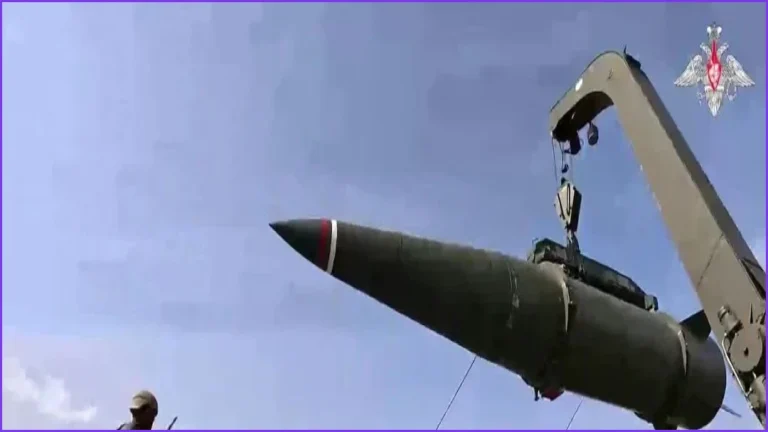
The United States military confirmed early on Thursday that it had concluded a heavy wave of strikes against Iran. This military action was carried out in direct response to recent Iranian attacks on a base in Jordan that hosts American troops. According to the US Central Command, the operation spanned over a two-hour period and targeted dozens of sites associated with Iran’s Revolutionary Guard Corps. The strikes hit various military command centres, as well as coastal surveillance and defence sites, and facilities used for missiles and drones.
These retaliatory measures were launched just hours after US President Donald Trump declared his intention to hit Iran “very hard” in the wake of the assault on the Jordanian base. When asked at an Oval Office event if Iran was responsible for separate drone strikes that ignited fires on two natural gas vessels at the Egyptian port of Damietta, President Trump described the incident as “a little more of the same” and reiterated, “In the meantime, we’re going to be hitting them very hard because it’s our turn to hit them.”
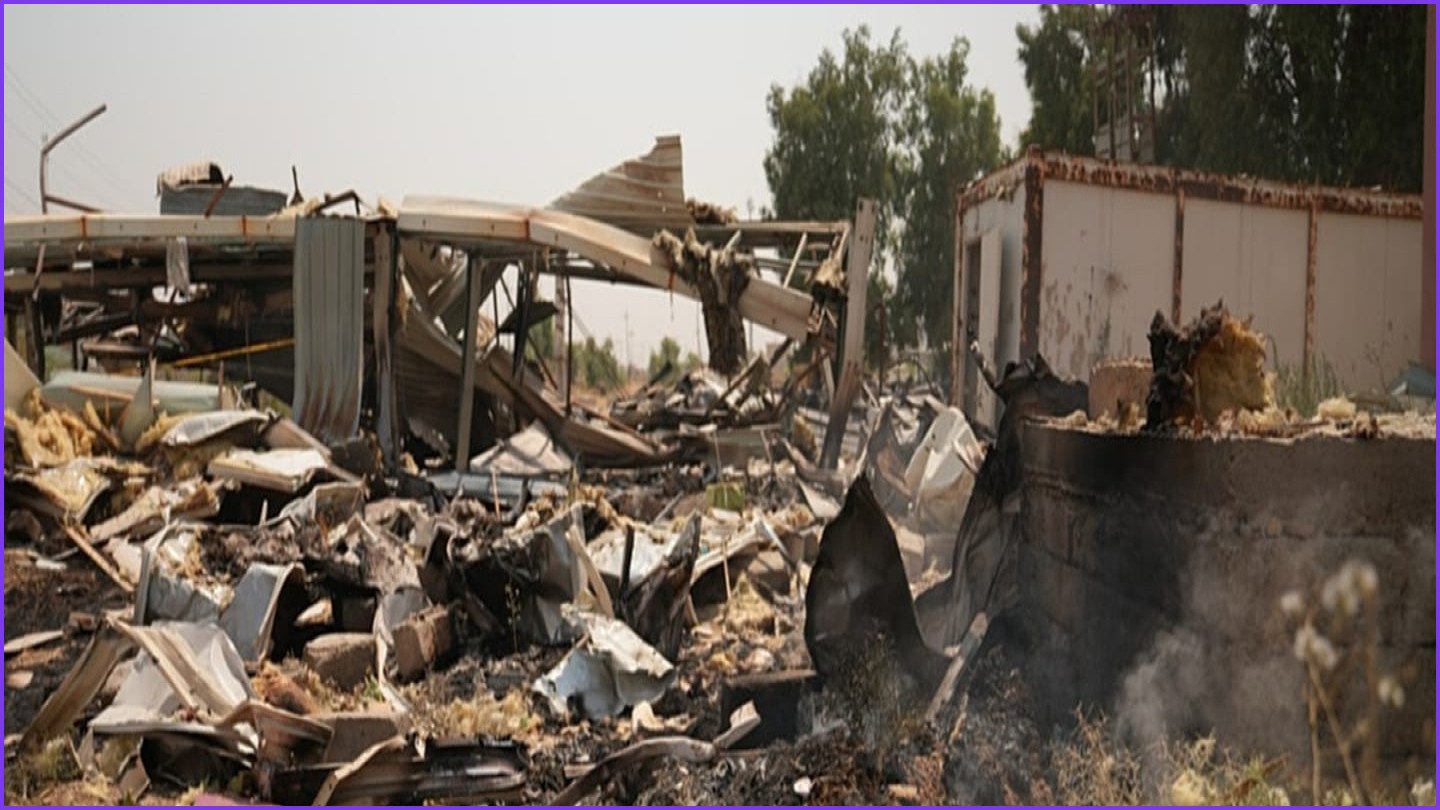
Regarding the fires in Egypt, UK maritime security firm Ambrey reported that the strikes affected a US-owned floating storage facility and a Greek-owned tanker. While no injuries were documented in that specific incident, it remains unclear who was responsible. Meanwhile, Iranian state media reported that two people were injured during attacks on Qeshm island in the Strait of Hormuz, with further explosions reported in the western province of Khuzestan, which borders Iraq and Kuwait. Separately, Saudi Arabia has accused Iraqi militias of deploying drones against its oil facilities over the preceding two days.
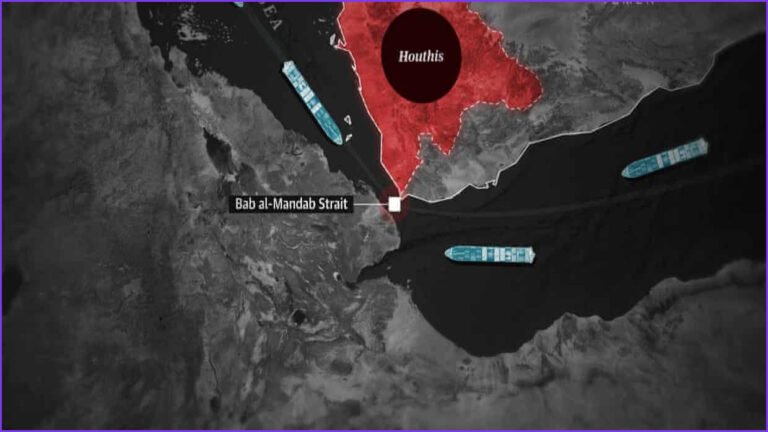
The rapid escalation of hostilities across multiple fronts has heightened fears of a return to all-out war, complicating efforts to wind down a five-month conflict that has strained the global economy and faced domestic political opposition in the United States. Furthermore, the situation has raised concerns regarding the depletion of sophisticated munitions stockpiles necessary for the defense of US bases and regional allies. While a regional official noted that mediators are still attempting to restore calm and salvage an interim agreement that collapsed in June, there have been no details regarding potential diplomatic progress. The collapse of that agreement followed renewed fighting in the Strait of Hormuz, a vital energy transit route that has effectively been closed by Iranian attacks.
The flare-ups on multiple fronts after several days of relative calm raised the risk of a return to all-out war. It also underscored the difficulty of winding down a five-month conflict that has jolted the world economy and is unpopular domestically among Americans.