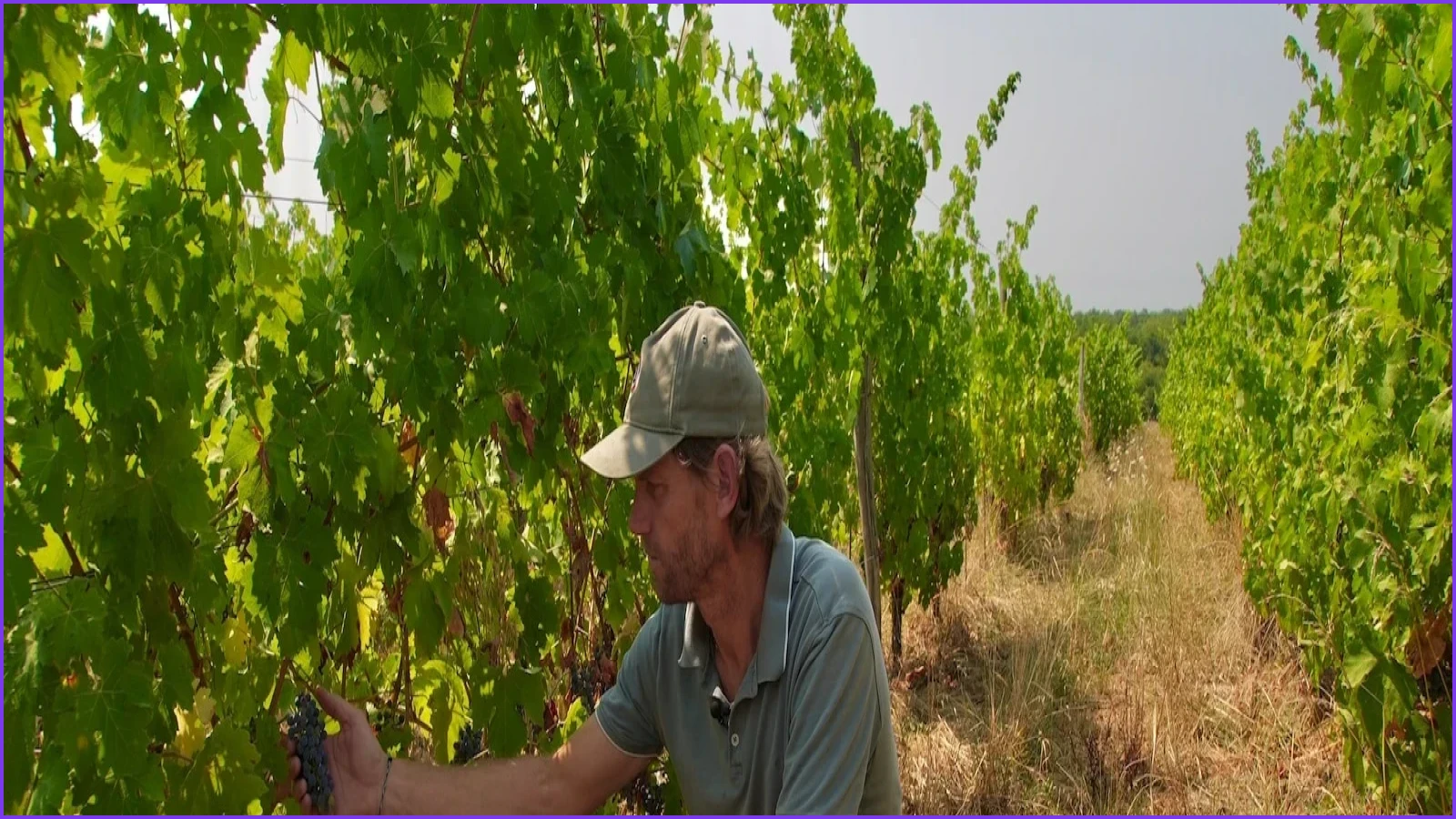
From his vineyards in the heart of Bordeaux wine country, Edouard le Grix de la Salle can occasionally smell the smoke from burning forests in the distance. This scent carries with it a sense of impending hardship for the region's economic future. Wildfires that have ravaged an area four times the size of Paris have forced 220,000 people to flee their homes and have disrupted some of the region's most prominent tourist attractions, threatening to sting an already fragile French economy.
Patrick Seguin, president of the regional chamber of commerce, expressed the gravity of the situation with deep emotion. In a phone interview, he described the scene as a physical apocalypse where nothing remains but burnt homes and forests, followed by an economic apocalypse. He characterized the disaster as a significant blow to the remaining parts of the local economy. The region, which is a major hub for defense and aerospace industries including Airbus, Dassault, and Thales, has seen 39,000 businesses affected by the ongoing crisis.
Entrepreneurs like Le Grix de la Salle are bracing for the fallout. He expressed strong consternation regarding government appeals for people to avoid the region, arguing that such statements are damaging at a time when wine tourism has become increasingly essential. His family's Grand Verdus wine estate is located roughly 35 kilometers (20 miles) from the fires that have been raging since last week on the opposite side of the Garonne River. While the fires have impacted only a small percentage of the Gironde region—the largest in mainland France by area—the damage to its reputation is substantial.
Le Grix de la Salle questioned why authorities did not prioritize the protection of the wine and cultural sectors, noting the abundance of museums and châteaux in the area. The region is a major destination for tourists drawn to its soft-sand beaches, pine forests, and the city of Bordeaux, which is a UNESCO World Heritage site. The Arcachon Bay, famous for its oysters, is also a key draw for foodies, though evacuations have left some of these prime locations empty.
The wine industry was already struggling before the fires began. Consumption has plummeted as younger demographics shift to other beverages, and international competition has intensified. Furthermore, winemakers have faced significant hurdles from geopolitical issues, inflation, and the lingering effects of tariffs imposed during the presidency of Donald Trump. Le Grix de la Salle noted that tourism was the only dynamic part of the business still showing growth, and the fires have acted as a sudden brake on that progress.
Even prior to the fires, the chamber of commerce reported that 94% of businesses surveyed in mid-July were facing difficulties, largely due to rising energy costs. Seguin noted that he is receiving an increasing number of calls from small- and medium-sized businesses, as well as craft enterprises, seeking assistance. Data from commercial courts in Bordeaux and Libourne shows a 37% increase in business liquidations from June 2025 to the same month this year.
Bordeaux Mayor Thomas Cazenave is actively countering the advice for people to avoid the region. He has repeatedly emphasized that the city has not been evacuated and remains open for business. Cazenave maintains that museums, cafes, and restaurants are operating, and that life continues in the city despite the regional emergency.