Vingroup, the largest conglomerate in Vietnam, is pivoting toward international markets as its domestic business environment faces significant headwinds. The company is currently planning nearly two dozen projects across at least 15 countries, ranging from a “Vietnam Town” development in Uzbekistan to smart city initiatives in India and a large-scale riverfront development in the Democratic Republic of Congo. This global push comes as Vietnam’s once-sizzling property market experiences a cooling phase. Historically, profits from Vingroup’s flagship real estate arm, Vinhomes, have fueled the company’s heavy investments in technology, robotics, and the electric vehicle (EV) sector. However, as large-scale opportunities within Vietnam become more difficult to secure, Vingroup is looking abroad to generate the capital required to sustain its ambitious investments in industries central to Vietnam’s goal of becoming Asia’s next major economy.
Communist Party General Secretary To Lam recently noted that the export-led model that previously lifted Vietnam out of poverty is under “unprecedented strain.” In a speech at the Shangri-La Dialogue, he highlighted that growth is slowing, public debt and the cost of capital are rising, and climate change is threatening the livelihoods of hundreds of millions. Vietnam has been diversifying its trade relations, particularly after U.S. tariffs imposed by President Donald Trump exposed the risks of relying too heavily on a handful of export destinations, with the U.S. accounting for over 30% of Vietnam's exports. Central Asia has become a specific focus; trade with Uzbekistan reached $202 million in 2024, up 26.5% from a year earlier, while Vietnam elevated ties with Kazakhstan to a strategic partnership in 2025. Bhavna Dave, a senior lecturer at the SOAS University of London, noted that Central Asian countries are expanding trade beyond Russia following the invasion of Ukraine, and Tashkent is eager to deepen ties across Asia.
Beyond Central Asia, bilateral trade between India and Vietnam tripled to a record $16.4 billion in 2025 from $5.4 billion in 2016. Vingroup’s EV factory in the southern Indian state of Tamil Nadu leads its investments there. The company launched an electric taxi service in New Delhi in June and has signed agreements with state governments to develop smart cities, hospitals, schools, theme parks, and zoos. Additionally, Vingroup is building an EV factory in Indonesia and operating an EV taxi service in the Philippines. In Africa, Vingroup has signed an agreement with the Democratic Republic of Congo to build a 6,300-hectare riverfront city between the Congo River and Kinshasa’s international airport. VinFast also plans to supply the DRC with electric vehicles as the country aims to replace over 300,000 fossil-fueled vehicles. Furthermore, Vingroup and Ghana's Jospong Group are distributing VinFast cars, scooters, bikes, and buses across West Africa. Tom Courtright of the Africa E-Mobility Alliance noted that Ghana is a “smart play” due to its eight-year EV tax incentives and limited competition from Chinese manufacturers.
Domestically, pressure on Vingroup has mounted as profit from Vinhomes has slowed. Le Hong Hiep of the ISEAS–Yusof Ishak Institute in Singapore explained that while construction has boomed outside major cities, demand has failed to keep pace, leaving many apartments empty. In June, Vinhomes announced it would stop expanding its domestic land bank to focus on developing existing projects. Vingroup stated in an email that its global expansion is a “natural step” in its long-term strategy, asserting that its ability to deliver large urban projects quickly positions it to pursue opportunities in promising international markets, while maintaining that Vietnam remains its core market with “significant room for growth.”
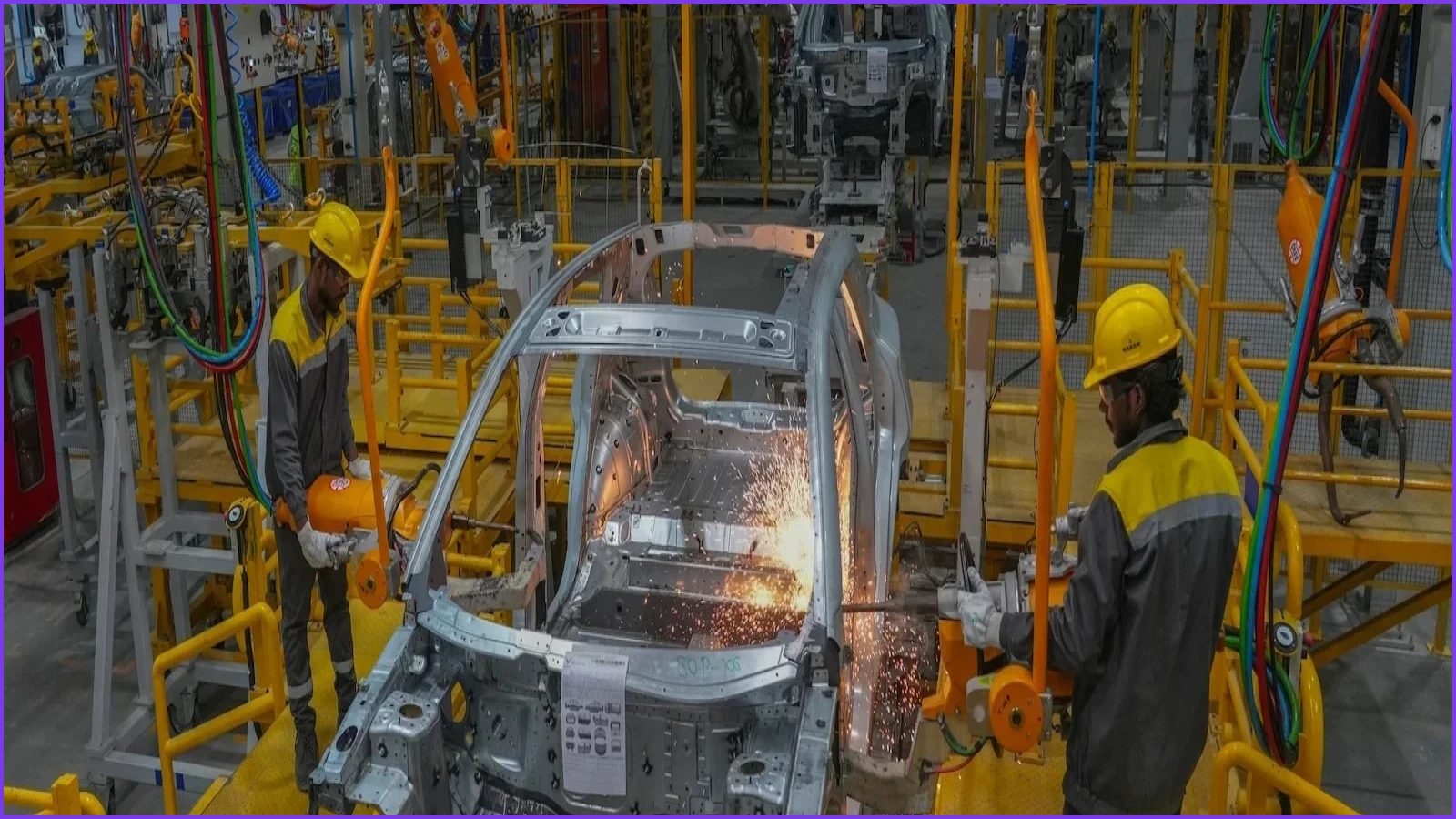
Financial challenges persist for the company’s automotive arm, VinFast, which posted a $3.9 billion net loss in 2025. Although the company delivered a record 196,919 vehicles—more than double the previous year’s total—it cost $5.1 billion, according to a filing with the U.S. Securities and Exchange Commission. The filing also showed VinFast wrote down the value of its delayed North Carolina factory by $236 million. After struggling to gain traction in Western markets since its 2023 U.S. entry and Nasdaq listing, the company is shifting its focus to emerging markets in Asia. Vingroup appears to be wagering that its formula for success in Vietnam can be replicated in other developing economies. However, experts like Courtright caution that megaprojects in regions like the DRC often face significant hurdles, and the success of ride-hailing services remains dependent on widespread smartphone use and adequate incomes, which are not guaranteed in all target markets.