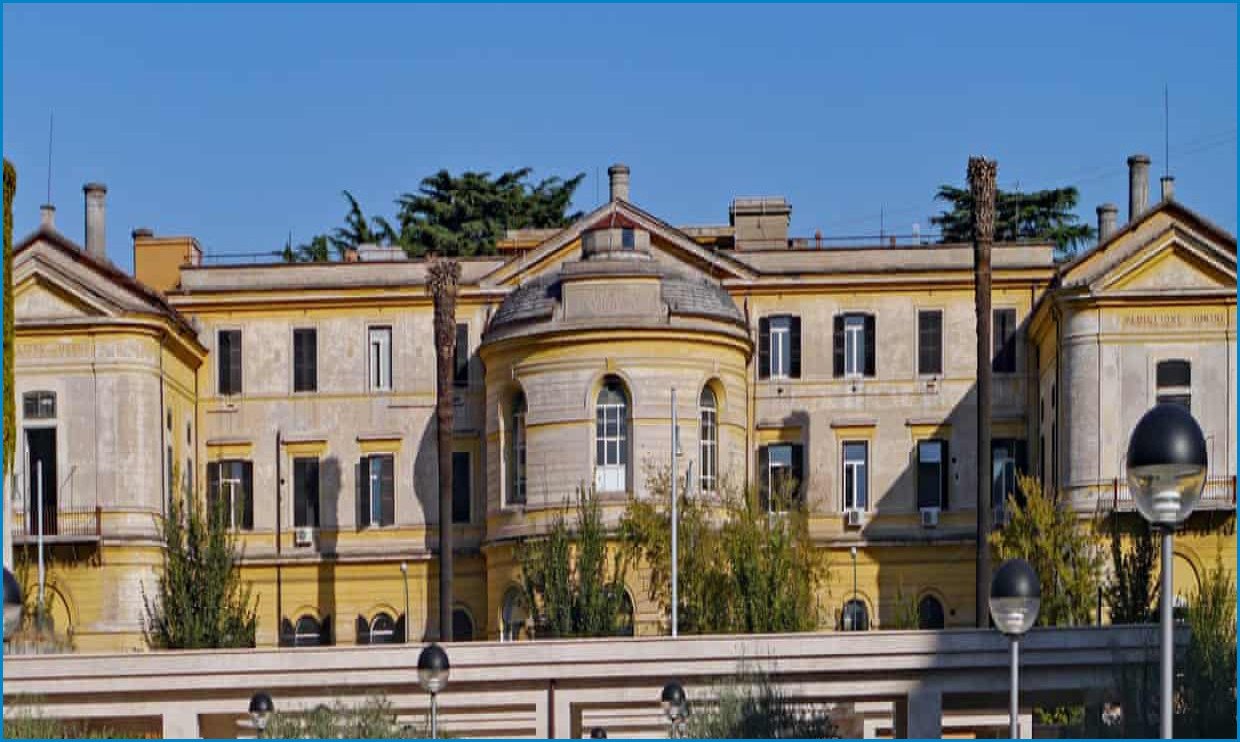
As central Rome faces record-breaking tourist numbers, with 22.9 million arrivals in 2025 and projections suggesting 2026 could see even higher figures, the city center has become increasingly congested. However, just a 20-minute walk from the bustling Termini railway station lies San Lorenzo, a neighborhood that retains a distinct working-class rhythm far removed from the overcrowded tourist hotspots like the Colosseum.
Established in the late 19th century, San Lorenzo holds a significant place in modern Italian history. During the rise of Benito Mussolini, the local residents—known as sanlorenzini—and the anti-fascist military group Arditi del Popolo (AdP) mounted fierce resistance against fascist forces. Notably, the 1922 battle of San Lorenzo saw the AdP force squadrist incursions to retreat, and barricades were later erected during the March on Rome. Although 13 people died in the unrest, the neighborhood remained a stronghold of left-wing politics, often referred to as the red zone. The area suffered further during the second world war, when allied bombing caused the deaths of approximately 1,500 residents.
Today, the quarter is defined by a blend of students from the nearby La Sapienza University, artists, and long-term residents. While modern additions like Soho House and Social Hub have arrived, the neighborhood remains grounded in its identity. Culinary traditions thrive here, with Pizzeria Formula 1, a no-frills institution operating since 1978, serving thin-crust Roman pizza for under €10. Similarly, Osteria da Marcello has provided authentic Roman fare, such as stewed tripe and oxtail, since 1961. Newer establishments like Nena Mercato e Cucina offer a contemporary twist on Italian staples, while Gelato San Lorenzo and the 103-year-old chocolate factory SAID dal 1923 cater to those seeking sweets.
The cultural heartbeat of the area is visible in its street art, which replaces the frescoes found in central Rome. Notable works include the "Mural Against Femicide" (2012-13) by Marina Biagini and Elisa Caracciolo, which commemorates 107 victims, and Alice Pasquini’s block-long "Welcome to San Lorenzo" mural. Artistic life is anchored by the Fondazione Pastificio Cerere, a former pasta factory turned cultural center, alongside independent galleries like Collettivo noMade and Monti8.
Social life centers around Piazza dell’Immacolata, where students gather in the evenings, and hidden gems like the wine bar Ramnes. For fashion, the area favors vintage and artisanal shops such as Latini 34, Laboratorio Pellerossa, and L’Anatra all’Arancia, while music enthusiasts frequent Ultrasuoni Records Roma. During the summer months, the quarter hosts the Giardino Verano festival, featuring daily free concerts, outdoor cinema, and entertainment until 2am, cementing San Lorenzo's status as a vibrant, alternative destination in the Eternal City.