President Donald Trump has reiterated his threat to deploy "strong military action" against Iran, stating that current diplomatic efforts to address the Middle East crisis must produce results quickly. Speaking to Axios on Monday, the president emphasized that time is limited, noting, "Either it goes fast or not at all." Trump later reaffirmed this position while aboard Air Force One, suggesting that Iran only sought meetings because of the pressure exerted by US military operations. During a rally in Michigan, he maintained his hardline stance, telling supporters that while negotiations are currently "very friendly," the US must be prepared to "beat the hell out of them" if those efforts fail.
The diplomatic situation remains clouded by conflicting reports. While Trump claims deep engagement with Tehran, Iranian foreign ministry spokesperson Esmaeil Baqaei stated that there are currently no direct negotiations between the two nations, noting that mediators may only be conveying messages. Baqaei also clarified that the recent pause in US military activity does not constitute an informal ceasefire.
Technical discussions have been taking place between Iran and Oman regarding the future management of the Strait of Hormuz, with support from China, Qatar, and Pakistan. These talks aim to establish a system for ship passage that aligns with international law. Tehran has proposed a plan to collect transit fees from vessels to compensate for the environmental impacts of the annual passage of over 50,000 ships and oil tankers through the Strait of Hormuz and their role in polluting the Persian Gulf, drawing comparisons to the Strait of Malacca model. However, Oman is attempting to persuade Iran to adopt a voluntary contribution system to ensure compliance with the law of the sea and avoid US opposition.
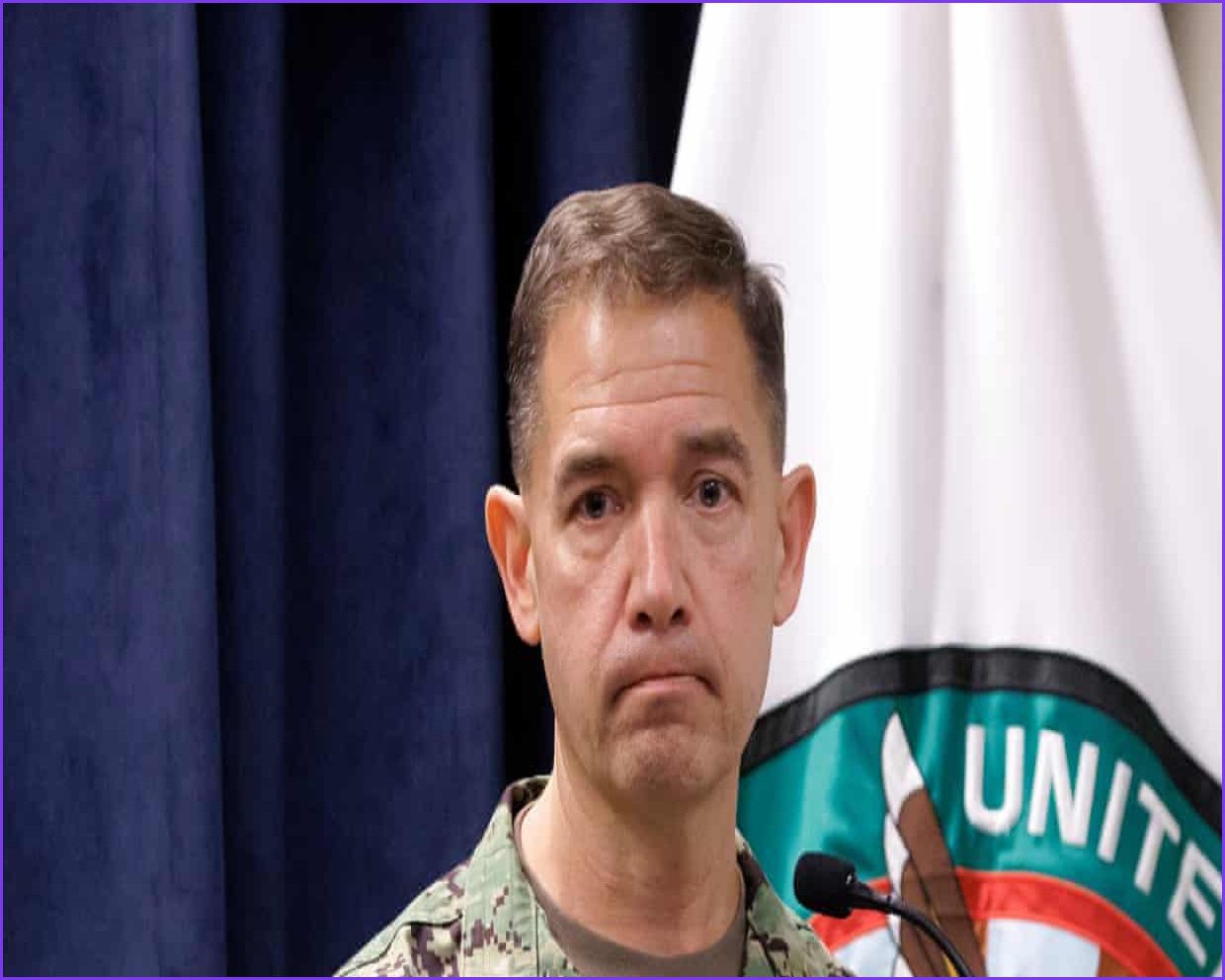
The US military campaign, which began in late February, had been paused for nearly two weeks following signs of progress in these regional talks. Reports indicate that senior US officials had advised the president that the bombing campaign was losing effectiveness and warned of depleted munitions and the vulnerability of US bases in Kuwait and Jordan. Adm. Brad Cooper, the top US commander in the Middle East, reportedly recommended ending the strikes around the strait.
Tensions remain high as the US continues to encourage commercial shipping to challenge the Iranian blockade. On Sunday, Iranian officials reported that six vessels with disabled navigation systems attempted to traverse the strait's southern route, resulting in one ship being fired upon and the others retreating. According to the United Nations Office for Project Services, daily transits through the Strait of Hormuz have plummeted to approximately five ships, down from nearly 130 per day prior to the conflict. Furthermore, the US has reinstated a blockade on Iranian oil exports and revoked previous sanctions waivers.
He reiterated the line to reporters later the same day on Air Force One. “They want to meet, and we’re meeting. Without what we did, they wouldn’t even be talking to us … They would not have requested the meeting if we were doing poorly. The only reason they want to meet is because we’ve been hitting them very hard.”
He doubled down at a rally in Michigan soon after. “You can’t bribe them. You’ve got to beat them, and we’ll beat the hell out of them. But we’ll see how it turns out,” he said . “Right now, there are very friendly negotiations going on.”