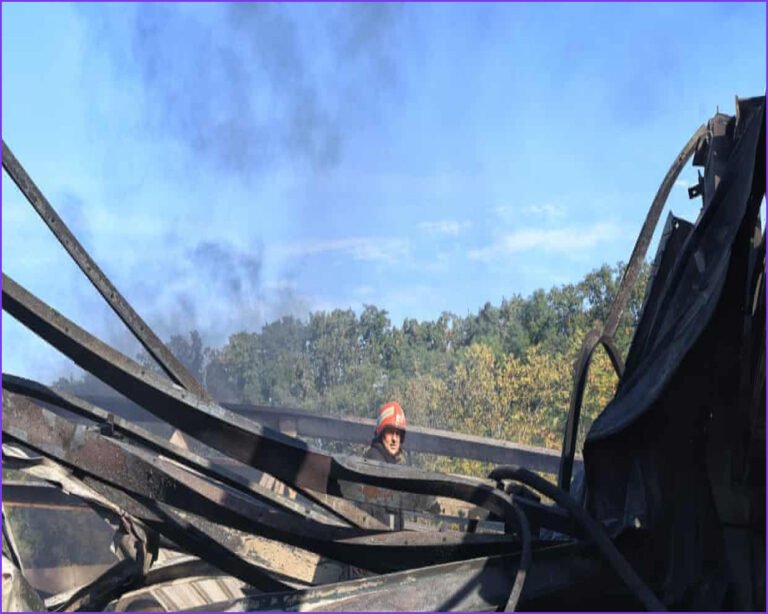
A combination of record-breaking heat waves and severe rainfall shortages has triggered historic wildfires across France and Spain, leading to one of the largest evacuation operations in Europe since World War II. More than 300,000 people have been displaced from their homes as firefighters struggle to contain blazes that have scorched vast territories, including an area in southwestern France four times the size of Paris and regions surrounding the Spanish capital of Madrid.
Climate data indicates that Europe is warming faster than any other region on Earth, with multiple extreme heat events reported this year. A study released in June by World Weather Attribution concluded that the recent record-breaking temperatures would not have been possible without the influence of climate change. In France, the national meteorological service, Météo-France, reported that June was the hottest on record, with average temperatures 3.8 degrees Celsius (6.8 degrees Fahrenheit) above the norm and rainfall nearly 50% below average. Similarly, while Spain typically experiences forest fires during warmer months, climate change has exacerbated these conditions, turning large areas of wilderness into highly flammable tinderboxes due to hotter, drier summers and a decline in traditional forest-based industries.
The scale of the destruction is unprecedented. The EU’s European Forest Fire Information System estimates that over 300,000 hectares (approximately 3,000 square kilometers or 1,160 square miles) have been burned across both nations. France’s Interior Ministry reported that 115,000 hectares (1,150 square kilometers or 444 square miles) have been scorched since January, marking the highest annual figure in the country’s modern records. In Spain, Minister for the Ecological Transition Sara Aagesen noted that the 153,000 hectares (1,530 square kilometers or 591 square miles) burned this year represents six times the total recorded during the first half of 2025. This includes one of Spain’s largest fires in the rural terrain of Ávila, which destroyed over 50,000 hectares, and a tragic blaze in southeastern Almeria that resulted in 13 deaths.
The human impact has been immense, with over 250,000 people evacuated in France, including 220,000 in the Gironde region. As the peak tourist season begins, authorities in Gironde have taken preventive measures, such as banning holiday camps for children and individuals with disabilities. In Spain, 76,000 people have been evacuated, while another 30,000 have been confined to their homes. Firefighters in Spain have described the intensity of the blazes as too violent to tackle head-on, though there was a small sign of progress on Monday as the spread of a major fire in France’s Gironde region appeared to slow.
International support has arrived to assist in the emergency. European Commissioner for crisis management Hadja Lahbib announced that the EU has coordinated the deployment of seven planes and four helicopters from Czechia, Croatia, Germany, Portugal, Slovakia, Sweden, and Turkey to France, alongside six additional planes from Greece, Italy, and Turkey for Spain. The 27-nation bloc is also utilizing its Copernicus satellite program to provide emergency responders with real-time fire risk mapping. Commissioner Lahbib emphasized the solidarity of the union, stating that no country should face such a disaster alone.