The U.S. military has paused its airstrikes on Iran following nearly two weeks of intensifying bombardment, as diplomats launch a concerted push to prevent the conflict from spiraling into an all-out war. The lull comes as the volatile conflict approaches its five-month mark on Tuesday, leaving observers to wonder if the two nations have reached a critical inflection point.
President Donald Trump has maintained a dual-track approach, simultaneously threatening to escalate military action and insisting that negotiations are moving forward. He has also brushed off concerns that rising gasoline prices driven by the hostilities could harm the Republican Party in November's midterm elections. Adding to the diplomatic complexity is an upcoming Washington visit next week by Israeli Prime Minister Benjamin Netanyahu. Israel, which partnered with the U.S. to launch the war on February 28, has been notably absent from the recent American strikes targeting Iran's blockade of the Strait of Hormuz—a vital shipping lane carrying 20 percent of the world's oil supply.
Michael Singh, managing director at the Washington Institute for Near East Policy and former senior Middle East director on the National Security Council during the George W. Bush administration, suggested that Israel's current lack of involvement carries mixed signals. He noted that while the Iranians understand the conflict could worsen if Israel joins the active fighting, Israel's current absence might also signal a desire to limit the scope of the war. Singh cautioned against reading too much into the temporary quiet, questioning whether it represents a brief operational pause or a deliberate window for behind-the-scenes diplomacy.
According to a regional official involved in mediation, active diplomatic channels are currently open. The official characterized the pause in U.S. airstrikes and the corresponding halt in Iranian counterstrikes on regional bases housing American forces as a positive signal that helps their efforts to de-escalate. On Sunday, Iran's Foreign Ministry spokesperson, Esmail Baghaei, confirmed that Iranian and Omani officials held multiple rounds of technical discussions regarding the strait over the weekend. Although the Omani delegation departed Tehran on Saturday afternoon, Baghaei stated that the talks had made progress and are continuing.
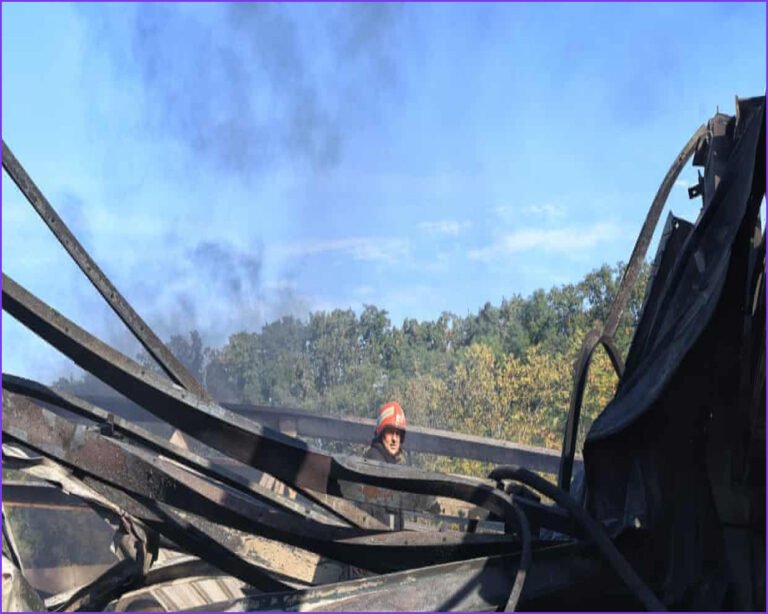
The economic stakes remain high for both sides. Iran initially disrupted the narrow Persian Gulf passage at the start of the war by firing on commercial tankers and freighters, causing global oil prices to spike. This disruption has fueled domestic discontent in the U.S., potentially leaving Republican lawmakers vulnerable in the upcoming midterms. While the U.S. initially targeted coastal defenses to protect shipping, the Trump administration eventually expanded its targets to infrastructure and bridges deep within southern and central Iran. Singh remarked that these strikes were likely designed to force Tehran back to the negotiating table, though it remains to be seen if Iran's internal, fractured leadership is willing to compromise without appearing weak.
Despite the current pause, regional flashpoints continue to threaten stability. On Saturday, Yemen's Iran-backed Houthi rebels launched missiles and drones at Saudi Arabia in retaliation for Saudi airstrikes on the Red Sea port city of Hodeida. The Houthis claim to have closed the Bab el-Mandeb Strait, a critical alternative passage for Saudi oil exports since the disruption of the Strait of Hormuz. Meanwhile, the U.S. military continues to enforce its naval blockade of Iranian ports, disabling a Mozambique-flagged vessel in the Gulf of Oman on Friday after it ignored warnings and attempted to breach the restriction.
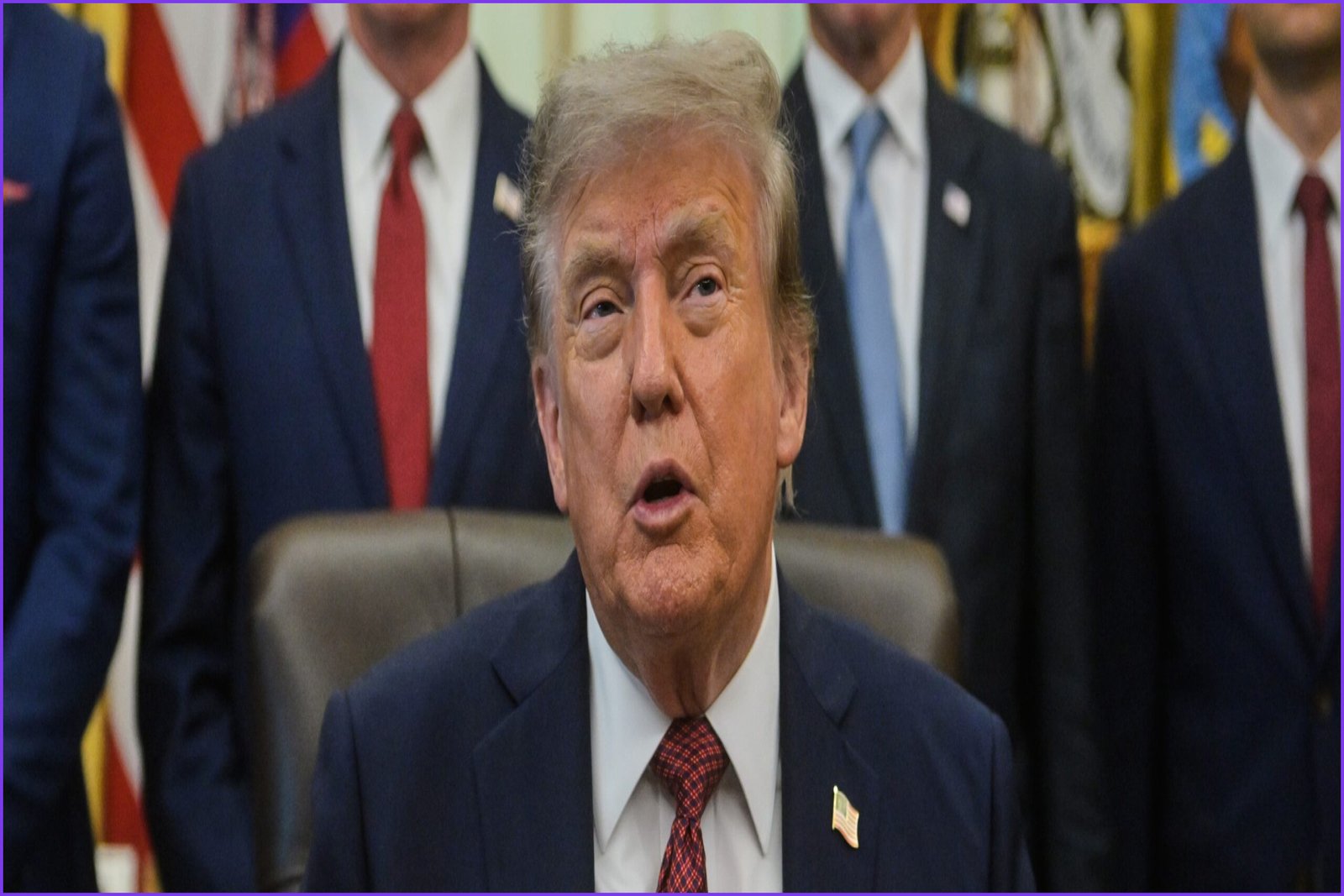
The pause in airstrikes occurred overnight after 13 consecutive nights of U.S. bombardment. On Friday, July 24, 2026, Trump met with top national security aides to evaluate whether to maintain the current military pressure or escalate. Speaking to reporters in the Oval Office, Trump outlined his perspective on the strategy, stating that the U.S. could either continue to take Iran apart piece by piece or negotiate. Trump insisted he was not in a hurry to resolve the conflict before the elections, despite public frustration over high food and fuel prices, asserting that the administration must do it right and that elections take care of themselves.
Whatever the case, both the U.S. and Iran need the strait to reopen for their own economic reasons.
"You can just keep doing exactly what we're doing and take them apart piece by piece. We could do it in a more rapid fashion, which we might do," he told reporters in the Oval Office. "Or we can negotiate with them, which we're also doing right now."