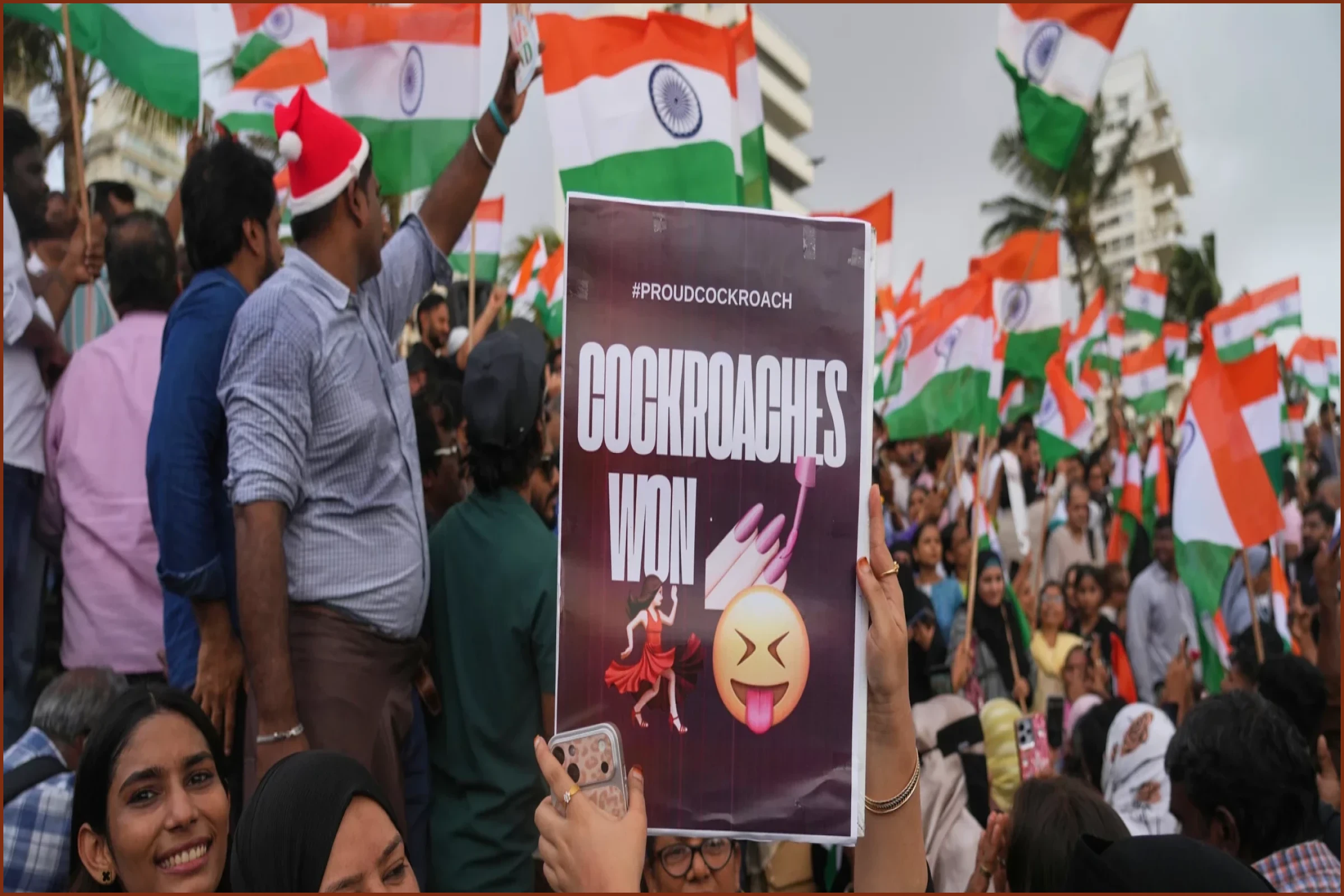
India's Education Minister Dharmendra Pradhan resigned on Saturday, yielding to a key demand of a rapidly expanding youth-led protest movement. The demonstrations, which began in New Delhi, have escalated over the past week, spreading to the streets of more than a dozen cities across the country and presenting the most significant challenge to Prime Minister Narendra Modi's 12-year Hindu nationalist administration.
The protests were ignited by a series of high-profile leaks of nationwide examination papers, which millions of Indian students rely on annually to secure coveted university admissions and government employment. The crisis reached a boiling point after a medical entrance exam paper leaked in May, forcing approximately 2 million students to prepare for a retake. According to a report by the local newspaper The Indian Express, at least a dozen students died by suicide following the announcement of the retake, with some leaving notes stating they could not cope with the psychological burden of sitting for the exam again.
While Pradhan's resignation marks a major victory for the students, the protest organizers, operating under the banner of the Cockroach Janta Party, have stated that their campaign is far from over. In a public statement, Abhijeet Dipke, the 30-year-old leader of the group, outlined additional demands. These include financial compensation for the families of the students who died by suicide and immediate disciplinary action against the security personnel who violently attacked demonstrators during a march toward Parliament in New Delhi earlier in the week.
The movement's unusual name, the Cockroach Janta Party, was inspired by a controversial comment made in May by India's Chief Justice Surya Kant, who described unemployed youth as "cockroaches." Although the Chief Justice later claimed his remarks were misquoted, the comment deeply offended young Indians, prompting Dipke to form the satirical group. The movement has since garnered support from prominent figures, including acclaimed author Arundhati Roy, who wrote in solidarity: "Just when hope seemed lost, they came. Young roaches riding in on the rain. The progeny of the unholy union between a judge and a joke."
The scale of the demonstrations has caught the government off guard. Unlike previous protests in India's recent history, this movement has successfully bridged traditional social divides. Sociologist Raheel Dhattiwala noted that education serves as a powerful leveler in India, a nation home to the world's largest youth population, with roughly 367 million people aged between 15 and 29. Political analyst Sushant Singh of Yale University observed that because the protesting crowds cut across caste, class, religion, and language, the state has struggled to deploy its usual tactics of division. Singh emphasized that this broad demographic unity has made it exceptionally difficult for the government to demonize the movement.
Many of the active participants have traveled from the central and northern heartlands of the ruling party. Among them were two brothers, 23-year-old Rishabh and 22-year-old Mohit, who traveled 50 miles by a combination of rickshaw, train, and metro to join the central protest in New Delhi. Rishabh explained that poorer families are being left behind because wealthy individuals pay to access leaked exam papers, leaving ordinary students with no clear path forward.
For weeks, the government's response to the growing unrest was characterized by silence and hostility. Before stepping down, Pradhan had publicly vilified the protest leaders, calling them "the B team of terrorists," according to the Indian daily The Hindu. Additionally, presenters on media outlets loyal to Prime Minister Modi suggested that the student organizers were receiving financial backing from Pakistan.
In a two-page resignation letter posted on the social media platform X, Pradhan stated he was stepping down because he did not want the students' anger to be exploited by "anti-national forces." While he did not clarify what he meant by the term, it appeared to target allegations of foreign or domestic infiltration. Notably, Pradhan's letter did not contain an apology for the exam leaks.
The tension in the capital escalated further last week when police forcibly removed Sonam Wangchuk, a highly respected educator who was on a hunger strike in solidarity with the students, from the New Delhi protest site. He was subsequently detained in a government hospital. On Friday, Wangchuk announced he had ended his 26-day fast after receiving official assurances that the government would hold authorities accountable for the systemic failures in the national examination system.
Despite the police crackdown, student anger intensified on Monday when security forces violently dispersed thousands of students marching toward Parliament. In response to the growing public outcry, Prime Minister Modi addressed the students directly in an Instagram post in Hindi overnight on Thursday. Modi acknowledged the severity of the paper leaks, stating that those accused were currently in jail. However, he stopped short of addressing the demand for the education minister's resignation.
Following Modi's statement, student leaders met with a government representative to reiterate their core demand. They warned that if Pradhan did not resign over the weekend, they would launch massive, coordinated nationwide marches on Monday. Pradhan's resignation on Saturday fulfilled that specific ultimatum, leaving observers to wonder whether the concession will calm the country's youth or embolden them to press for further systemic reforms.
Bilal Kuchay contributed reporting from New Delhi.