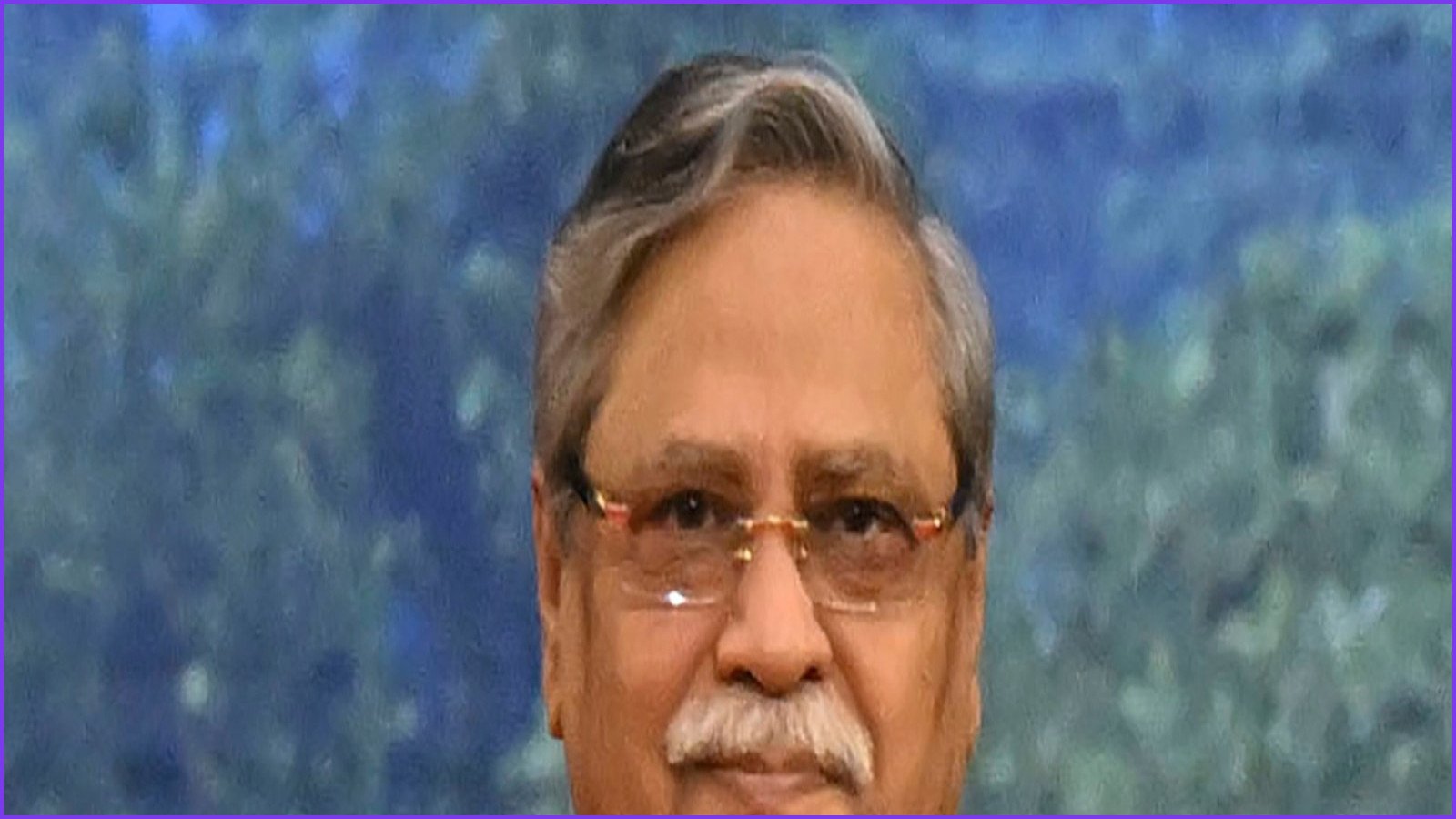
Bangladesh’s President Mohammed Shahabuddin, who was appointed during the administration of ousted Prime Minister Sheikh Hasina, resigned from his position on Friday. His departure comes midway through his term, following a period of significant political upheaval in the country. Shahabuddin submitted his formal resignation to Parliament Speaker Hafiz Uddin Ahmad, citing medical reasons. The speaker confirmed that he had accepted the resignation.
While the official reason for the departure was health-related, local media reports suggest that Shahabuddin faced immense pressure to step down from the current government. Allegations surfaced claiming he had communicated with Hasina by phone during a medical visit to London in May, though these reports could not be independently verified. Shahabuddin, who was sworn in as the 22nd president on April 24, 2023, was widely considered a trusted ally of Hasina. Following her removal from power in August 2024, he faced fierce opposition from student groups that spearheaded the anti-government movement, with many branding him a collaborator of the former premier and demanding his arrest.
The National Citizen Party, a political organization formed by student leaders of the uprising, has been actively campaigning against the president. Under the Bangladeshi constitution, the speaker of parliament is set to assume the presidential role on an interim basis until lawmakers elect a successor. The president serves as the head of state and commander-in-chief of the armed forces, playing a crucial role during national political crises.
The resignation marks a significant blow to Sheikh Hasina, who has lost a key political ally. Hasina, who fled to India after her 15-year rule ended, has expressed intentions to return to Bangladesh in December to face legal charges. Despite requests from both the interim government led by Nobel laureate Muhammad Yunus and the current administration, India has declined to extradite her. In November, a special tribunal sentenced Hasina to death in absentia for her role in the crackdown against the uprising, an event that resulted in nearly 1,400 deaths according to a United Nations report. Hasina has consistently denied all charges against her from exile.
The resignation letter was seen by The Associated Press.
The NCP joined an election alliance led by the Bangladesh Jamaat-e-Islami party, the largest Islamist party in the country.