Yemen’s Houthi rebels have announced an attack on two Saudi oil tankers in the Red Sea, claiming the strikes were a direct response to the 12th consecutive night of US military operations against Iranian targets. The group’s military spokesperson, Yahya Saree, identified the targeted vessels as the Encelia and the Layla, stating that drones and missiles were utilized because the ships allegedly violated a naval blockade.
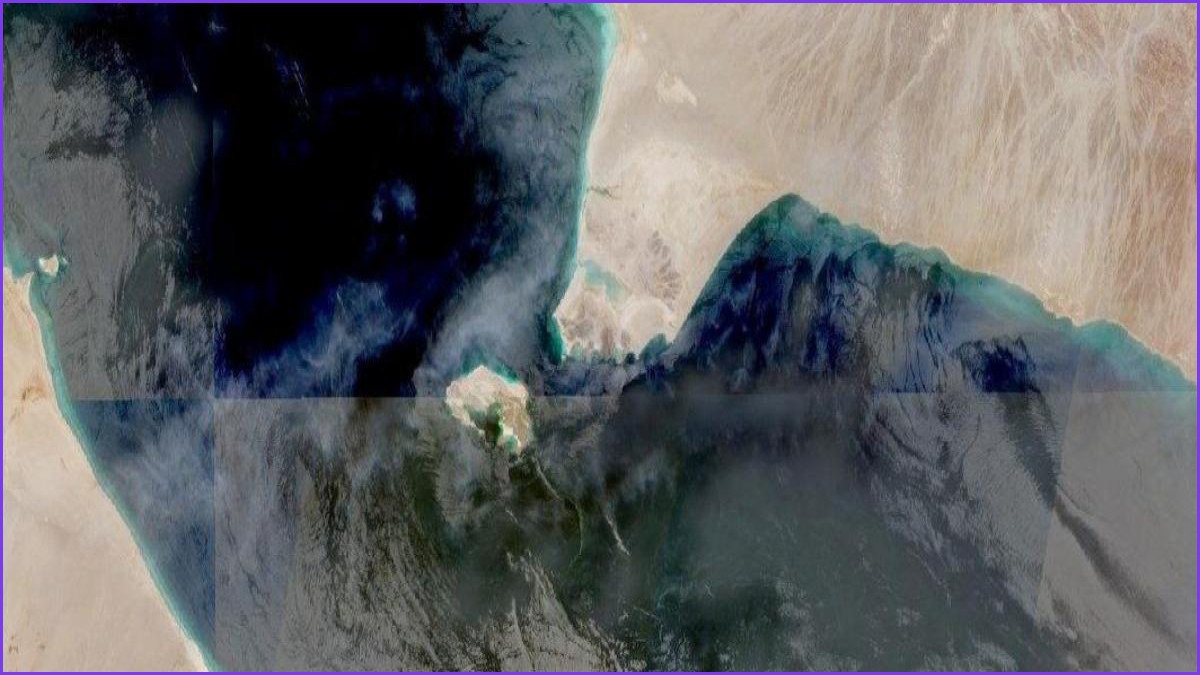
The Houthis have declared a "maritime embargo" against Saudi Arabia and claim to have closed the Bab al-Mandab Strait, which serves as the critical southern gateway to the Red Sea.
International maritime monitoring services have corroborated aspects of the incident. The UK Maritime Trade Operation (UKMTO) reported that an "unknown projectile" struck a Saudi tanker approximately 130km from Al Shuqaiq, Saudi Arabia, at 20:00 GMT.
This strike resulted in a fire, though no casualties were recorded. Additionally, the British maritime risk management firm Vanguard confirmed that the tanker Encelia was hit, according to reports from the Reuters news agency.
While the Houthis assert they are enforcing a "siege for a siege" policy, the responsibility for the attack on the Layla and the confirmation of that specific strike remain unverified.
The regional conflict intensified as US Central Command (Centcom) confirmed it launched strikes at 21:30 GMT under President Trump’s direction, aimed at further degrading Iran's ability to threaten civilian mariners and commercial vessels transiting regional waters. Amidst these hostilities, Iranian state media reported that two people were killed in US strikes in the country's south, near the border with Iraq.
Shortly after, Kuwait, Jordan, and Bahrain reported responding to airborne threats, while the Iranian military claimed to have targeted US assets within all three countries, according to AFP.
Simultaneously, tensions have spiked near the Strait of Hormuz. The Iranian Revolutionary Guard (IRGC) announced that the strait was "completely closed" following an explosion in a mined route. According to Iranian state media, one oil tanker caught fire and two others were forced to turn back after attempting to pass through the channel. The IRGC stated it had stopped three oil tankers from passing through the area.
Iranian Foreign Minister Abbas Araghchi has warned of an "eye for an eye" response to the ongoing attacks on Iran. This follows a vow from President Trump earlier on Wednesday to target Iranian bridges or power plants should their forces continue to strike ships in the Strait of Hormuz.
The current instability follows the collapse of a Memorandum of Understanding (MoU) signed in June, which had aimed to halt military operations and reopen the Strait of Hormuz, as well as reach an agreement to end the war over a 60-day period. However, three weeks after the agreement was signed, President Trump declared the ceasefire "over" following renewed Iranian attacks on ships and subsequent US strikes.
The disruption has already caused significant fluctuations in global fuel prices, with Saree claiming that the Houthis have forced approximately ten ships to retreat. At least seven oil tankers have performed U-turns close to Yemen since the embargo was announced on Monday.