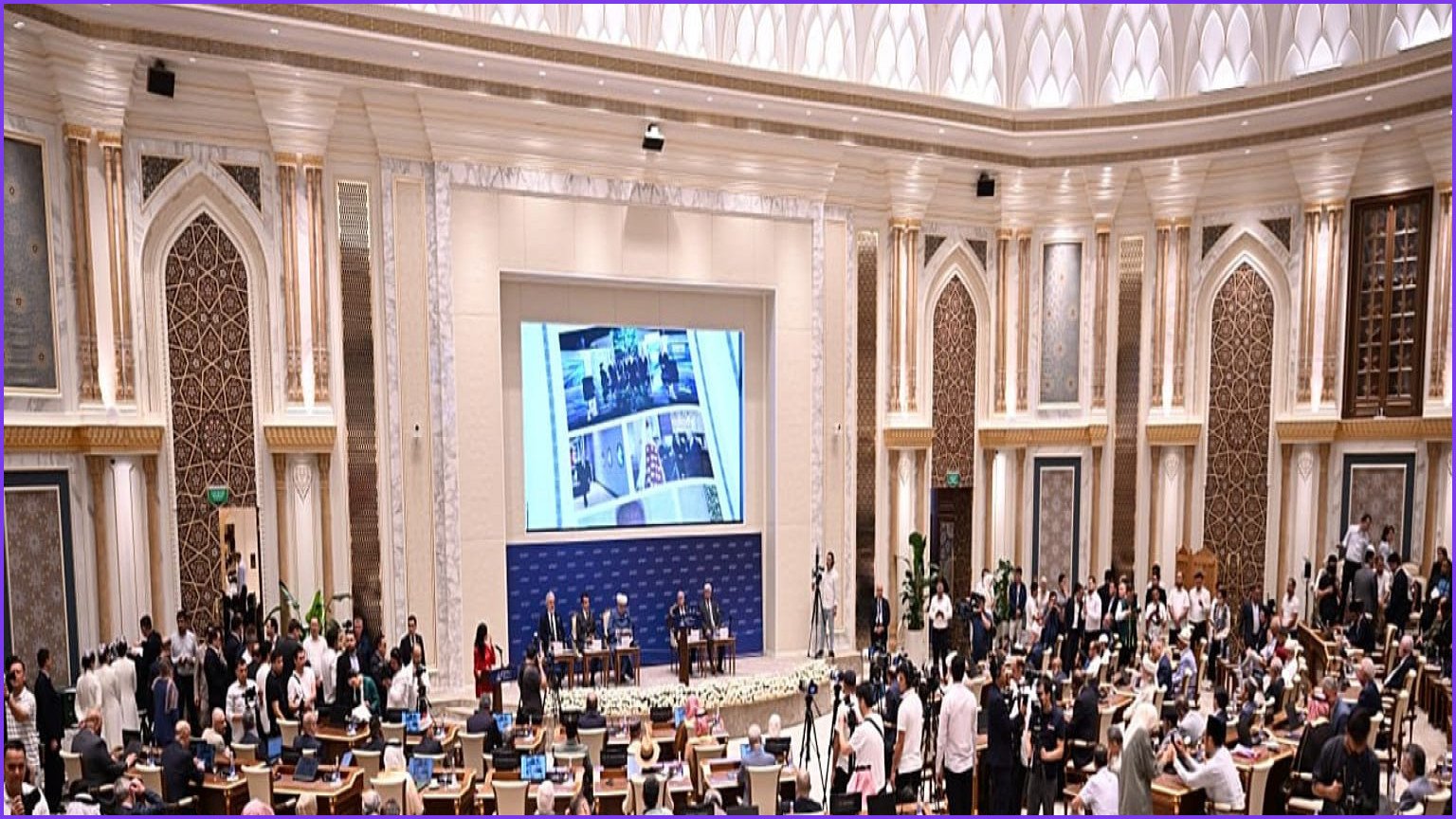
The First International Forum of Islamic Civilisation has convened more than 450 researchers, policymakers, and religious leaders from over 50 countries to examine the profound impact of historical Islamic scholarship on contemporary society. The event highlights how the intellectual contributions of Central Asian scholars in fields such as mathematics, medicine, astronomy, and philosophy continue to shape modern scientific research, education, and international collaboration.
Proceedings began in Tashkent with a focus on utilizing cultural dialogue, education, and science to address current global challenges. The forum is scheduled to move through historic centers of learning in Samarkand and Termez. During these sessions, participants will reflect on the enduring legacies of scholars like Imam al-Maturidi and Imam al-Tirmidhi, while also discussing modern advancements such as artificial intelligence, manuscript digitization, and the development of interactive museums.
Throughout the program, experts are revisiting the discoveries of influential figures including al-Khwarizmi, Ibn Sina, and al-Biruni, whose work remains foundational to modern scientific understanding. The forum is set to conclude with the formal adoption of the Tashkent Declaration, a document designed to establish a comprehensive roadmap for future international cooperation regarding academic research and the preservation of Islamic heritage.
Centuries after scholars from Central Asia helped shape mathematics, medicine, astronomy and philosophy, their intellectual legacy is once again at the centre of international discussion.