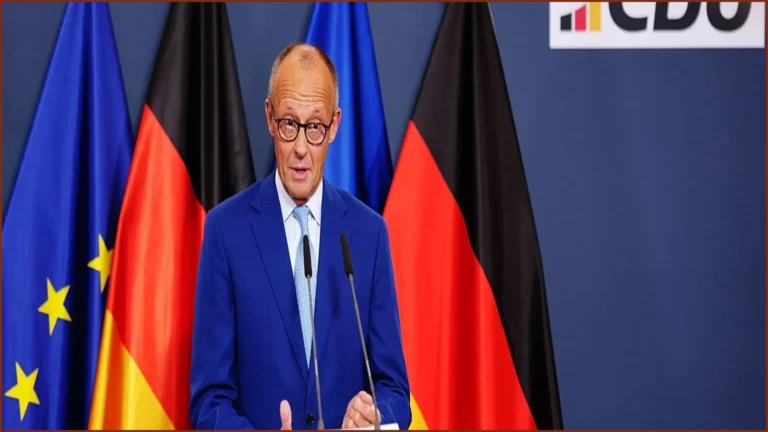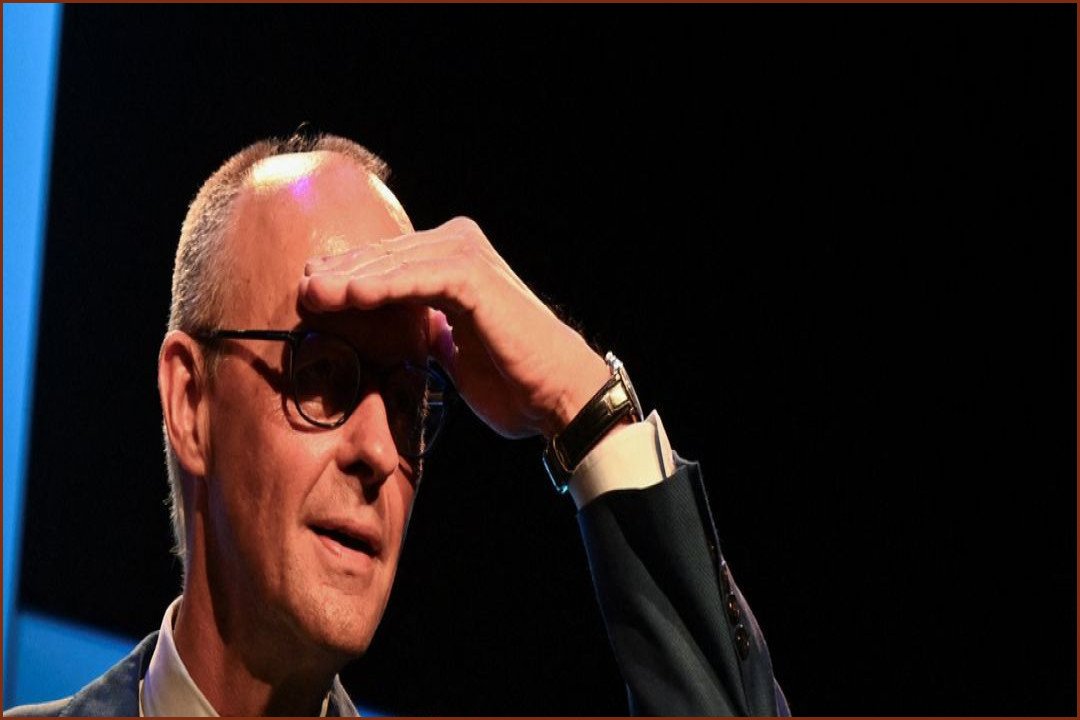
In a recent annual summer interview with ZDF, Chancellor Friedrich Merz maintained his stance on several controversial remarks, refusing to distance himself from previous statements that sparked significant public backlash. Rather than apologizing, Merz rejected criticism regarding his description of children of migrants as "little pashas," his assertion that migrants are altering the German "cityscape," and his claim that people in Germany do not work hard enough. According to the Chancellor, the issue is not his choice of language, but rather a perceived inability to openly discuss certain realities within the country. Analysts suggest that political statements must be evaluated within their broader context and the objectives they serve, rather than just their wording.
The term "little pashas," or "kleine Paschas" in German, was first introduced by Merz in late 2022 following New Year's Eve riots in Berlin. At that time, he alleged that some children with a migration background failed to respect the authority of teachers, particularly female educators. This statement drew sharp criticism from those who accused Merz of generalizing about children based on their family background and unfairly equating Muslim and migrant communities with systemic problems in schools and public order. Merz did not retract the claim, instead arguing that he was addressing widely known problems that others were afraid to discuss. Critics argue that by focusing on cultural generalizations rather than specific education or integration policies, Merz has turned integration into a subject of a culture war.
This rhetoric arrives at a time when Germany is grappling with economic stagnation, internal government conflicts, and the notable rise of the far-right Alternative for Germany (AfD). The latest ARD-DeutschlandTrend survey shows that only 13 percent of respondents are satisfied with Merz's performance, marking the lowest approval rating for a sitting chancellor in the survey's roughly 30-year history. Meanwhile, the AfD has reached 27 percent in the polls, placing them five percentage points ahead of the CDU and CSU, which garnered 22 percent. These figures suggest that the CDU/CSU's attempt to win back right-leaning voters by adopting a more aggressive stance on migration and internal security has not yielded the desired results.
Despite the government's insistence that it has found its rhythm and maintains a positive track record, as Merz stated during a July 15 press conference, there is a clear disconnect between the government's image and public perception. While Merz urged AfD voters to look beyond social media perspectives, the public remains deeply concerned about the economy. A June ARD survey indicated that only 13 percent of respondents viewed Germany's economic situation positively, while 38 percent expected their personal economic situation to worsen. Furthermore, 27 percent of respondents identified the economy as the country's most important problem, while migration and refugees were cited by 21 percent.
The focus on cultural integration and migration often pushes critical economic issues into the background, such as the immense competitive pressure facing the German automotive and chemical industries. Factors like high energy costs, technological lags compared to China, infrastructure deficiencies, and a shortage of skilled workers are straining the German economic model. Critics argue that the migration debate serves as a political smokescreen, masking the government's failure to address these structural problems. By intensifying rhetoric on migration, the political centre risks legitimizing the AfD's interpretations rather than weakening the party. While the formal firewall against the AfD remains, observers warn it is beginning to crumble both linguistically and socially. This creates a fundamental contradiction: Germany needs immigration to address demographic change and labor shortages, yet political discourse often portrays migrants as a security and integration problem. Ultimately, the strategy of attempting to defeat populism with populist language appears to be strengthening the legitimacy of the far-right while weakening democratic boundaries.
It also requires naming them precisely and responsibly.Otherwise, integration will no longer be treated as a political task, but will become the subject of a culture war between social groups.Merz is losing political supportMerz's recent statements are not solely due to his personal communication style.
Merz is doing exactly that.(Thisarticlewas first published on TRT Deutsch)