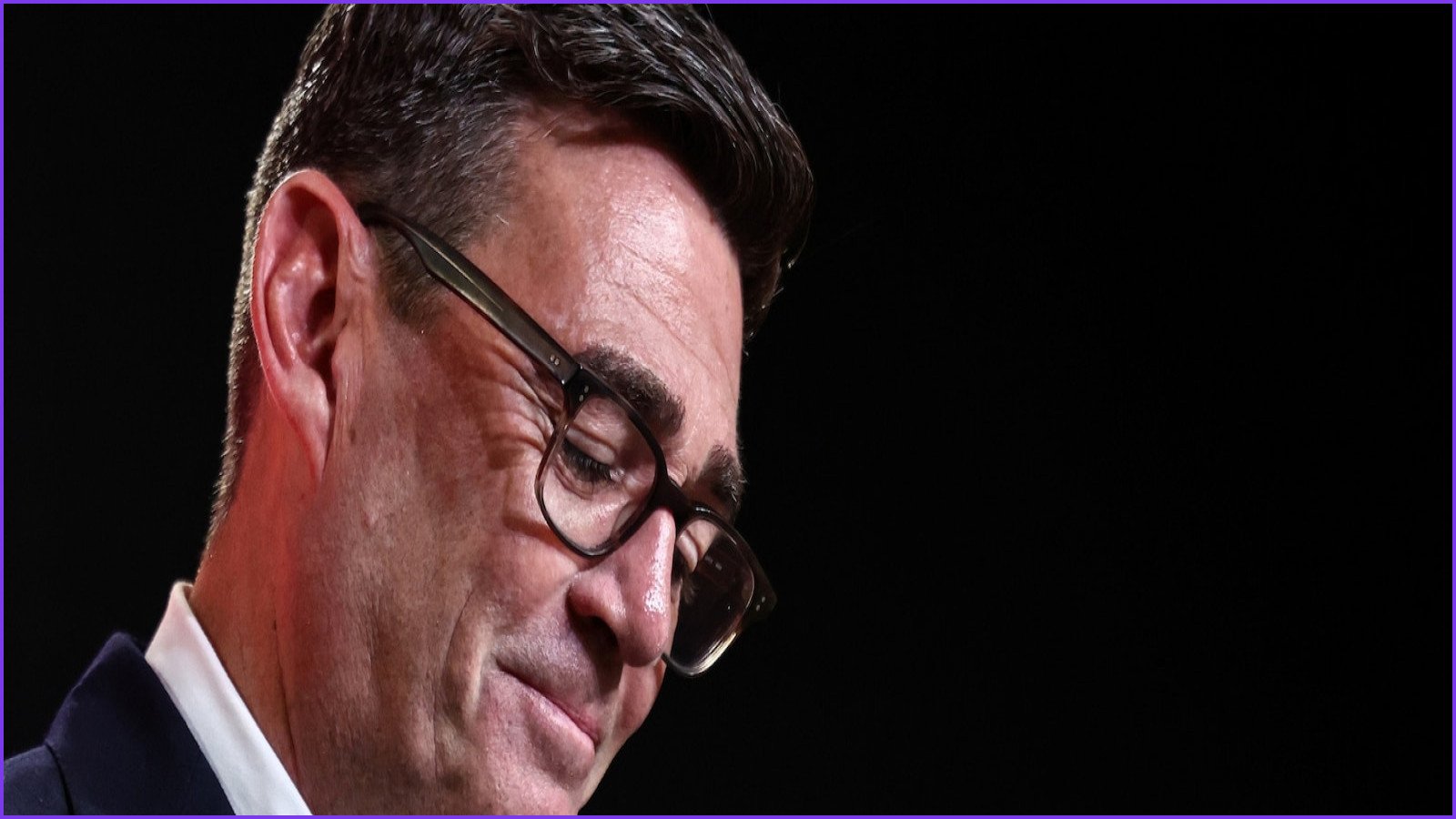
Andy Burnham is prepared to assume the role of the United Kingdom's prime minister this coming Monday, marking the end of a period of political uncertainty. He will officially succeed the departing Keir Starmer, representing the seventh change in leadership for the U.K.
since 2016. The transition follows Burnham’s appointment as the leader of the center-left Labour Party on Friday, a position he secured after receiving nominations from 379 of the 403 Labour lawmakers in the House of Commons.
The formal handover process is scheduled for Monday morning, beginning with Keir Starmer traveling from Downing Street to Buckingham Palace to tender his resignation to King Charles III. Shortly thereafter, Burnham will arrive at the palace, where the King will invite him to form a new government in a traditional ceremony known as “kissing hands.” Following this, the new prime minister will return to Downing Street to deliver an address outside the prime minister’s residence.
A spokesperson for Burnham indicated that his inaugural speech will address the country's recent history of frequent leadership changes, with the incoming leader pledging to restore stability. During his first address as Labour leader on Friday, the former mayor of Greater Manchester expressed a desire to reduce the toxicity of political discourse, improve living standards, and restore national hope. He emphasized that the country is “crying out” for a new form of politics.
While Burnham has promised to build upon the foundations established by Starmer, observers are already looking toward the composition of his upcoming Cabinet. He is expected to reshuffle the top ministerial roles, including the Treasury, foreign secretary, and home secretary, though he noted on Friday that final decisions regarding these appointments had not yet been made.
Economic growth remains a primary concern for his administration, with analysts like Joshi Herrmann, founder of the news site The Mill, suggesting that the success of Burnham's agenda depends on his ability to stimulate significant growth to overcome current national stagnation.
Keir Starmer, who announced his resignation last month following judgment errors and internal party pressure, used his final Prime Minister’s Questions session on Wednesday to defend his record. He highlighted his government's accomplishments, including support for Ukraine, enhanced protections for workers, efforts to reduce child poverty, and increased defense spending.
Starmer stated that he was proud to leave the country in better shape than when he took office in 2020 following the party's historic election defeat. Under British parliamentary democracy, no general election is required for the change in leadership, and the next national poll is not mandated until 2029, though Burnham reserves the right to call one sooner.
LONDON — The moment for Andy Burnham has finally come.
Critics and supporters alike will soon be clamoring for details of how Burnham plans to fulfill his pledges.