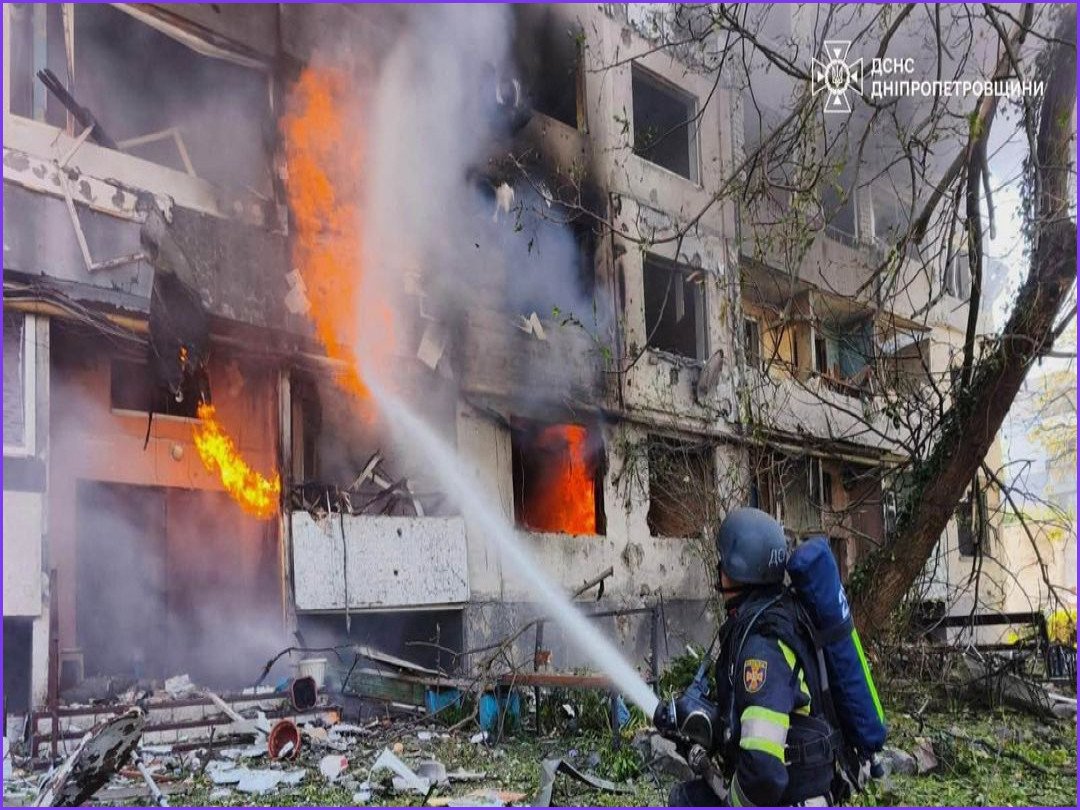
Since the beginning of July, Russian shelling has resulted in the deaths of 28 people in Ukraine's southern Odessa region. Regional governor Oleh Kiper stated on Monday that the area has been subjected to constant daily attacks, noting that on some days, residents faced between 13 and 15 air raid alerts.
The conflict, now in its fourth year, continues with static front lines as both nations exchange fire targeting cities, energy infrastructure, and maritime assets. In a significant escalation on July 19, Ukraine launched more than 400 drones overnight at the Moscow region. This operation, which targeted logistics facilities and an oil depot located over 400 kilometres (248 miles) from the Ukrainian border, was described by Kyiv as a just response to ongoing Russian strikes. President Volodymyr Zelenskyy confirmed the attack and added that Ukraine had also struck four cargo ships and two "shadow fleet" tankers in the Black Sea.
Reports from monitoring channels and local officials indicated that a warehouse belonging to the online retailer Wildberries in the town of Kolyedino sustained damage during the drone assault. These strikes reflect Kyiv's recent efforts to intensify operations deep within Russian territory.
Despite the intensifying violence, diplomatic efforts remain at a standstill. Kremlin spokesman Dmitry Peskov stated on July 16 that there is no immediate prospect for the resumption of peace talks, though he maintained that Russia remains open to negotiations. Previous diplomatic attempts included three short rounds of talks in Istanbul in 2025, followed by discussions in Abu Dhabi and Geneva earlier this year under US mediation. However, negotiations stalled in February as Washington shifted its focus toward the conflict with Iran. While Ukraine has consistently called for a ceasefire, Moscow has rejected such proposals, arguing that a temporary truce would only allow Ukraine time to regroup and that it prefers to seek a permanent settlement.