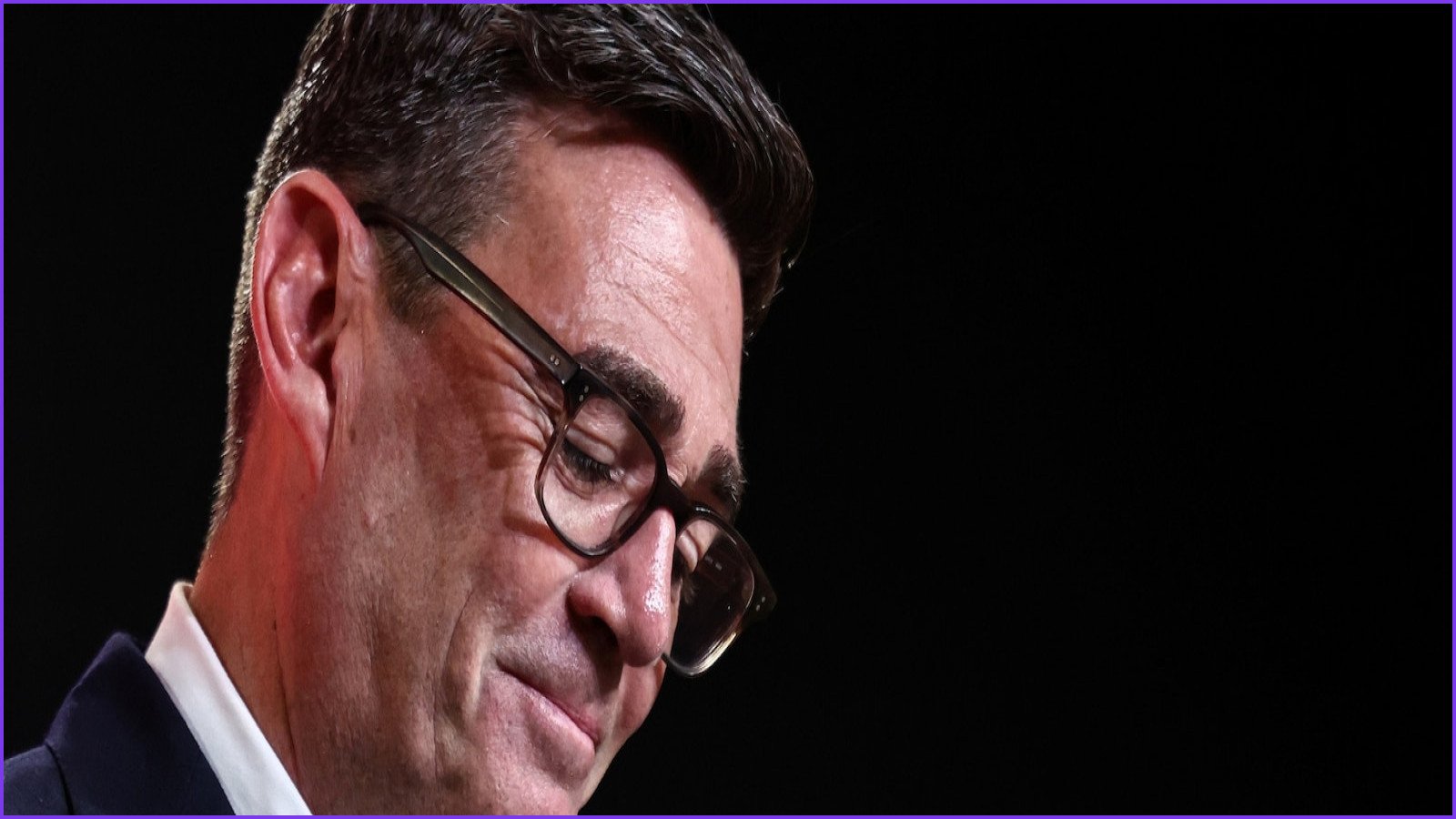
Andy Burnham is scheduled to arrive at 10 Downing Street this Monday, buoyed by a wave of public enthusiasm but immediately confronted by a series of daunting national challenges. Having spent the better part of the last decade leading Greater Manchester, Burnham now faces the monumental task of governing a nation of 70 million people, a significant expansion from the regional leadership of his 3 million constituents.
His transition to the role of British prime minister follows his return to Parliament in a special election held last month.
As he assumes leadership, Burnham must navigate the same persistent struggles that challenged his predecessor, Keir Starmer. These include addressing an intense cost-of-living crisis, managing overstretched public services, and asserting the United Kingdom's position on the international stage amidst ongoing wars in Ukraine and the Middle East.
While Burnham has been notably vague regarding specific policy implementations, he has promised to unveil details this week on his strategy to stimulate a sluggish economy, enhance public services, and elevate living standards.
During his confirmation as Labour Party leader on Friday, he described this transition as the most significant change in British politics in 40 years, aiming for a future where life is more affordable for all citizens.
Economic realities remain a primary concern, as Burnham inherits a climate where growth is predicted to slow and inflation is on the rise, particularly following the impact of the war in Iran. His proposed strategy, often referred to as “Manchesterism,” emphasizes a business-friendly form of socialism that seeks to leverage both public and private investment for housing, infrastructure, and transportation.
However, analysts like Joshi Herrmann, who has covered Burnham’s career for years, expressed skepticism regarding his ability to fundamentally remodel the economy in the post-Brexit, post-financial crash landscape.
Furthermore, Burnham faces tight fiscal constraints, as he is largely bound by the manifesto pledges made by Starmer, which ruled out major tax rate increases. Despite this, Burnham has suggested he would not rule out a potential wealth tax, acknowledging that the government may need to ask for more contributions.
On the international front, Burnham enters the office with limited foreign policy experience, yet he has pledged to maintain the U.K.'s commitment to NATO and its nuclear deterrent. He has explicitly stated his intention to remain a steadfast ally of the United States and a strong supporter of Ukraine.
His diplomatic success may hinge on his relationship with President Donald Trump, whose support for the previous administration waned following disagreements over the war in Iran.
Additionally, Burnham faces pressure to increase defense spending beyond the 15 billion pound ($20 billion) boost previously proposed, a plan that has already faced criticism for being insufficiently funded.
Regarding the conflict in Gaza, Burnham has been critical of the previous government’s approach. While he condemned the October 7, 2023, attacks by Hamas, which resulted in the deaths of 1,200 people and the taking of 251 hostages, he argued that the U.K. waited too long to call for a ceasefire. He has indicated that his government would consider further sanctions against Israelis involved in Gaza violence and illegal West Bank settlements.
This stance remains a point of contention, drawing criticism from Jewish groups while simultaneously facing pressure from pro-Palestinian advocates who argue he has not gone far enough in his condemnations.
Immigration, a dominant issue for many voters, was notably absent from his acceptance speech. While the U.K. continues to manage the arrival of migrants fleeing various global crises, Burnham has indicated he will largely adhere to the current Labour strategy.
This approach focuses on reducing net migration, which fell from over 900,000 in 2023 to 171,000 last year, and continuing efforts to curb English Channel crossings, which are reportedly down 40% compared to the same period in 2025.
Burnham has previously voted in support of legislation aimed at reducing these crossings and promoting legal, safe routes for those entering the country.
More than 73,000 Palestinians have been killed, according to the Gaza Health Ministry, which is part of the Hamas-led government. The ministry, which does not differentiate between civilians and combatants, is staffed by medical professionals who maintain detailed records viewed as generally reliable by United Nations agencies and independent experts.
Like much of Europe and other wealthier nations, the U.K. has seen an influx of migrants fleeing war-torn areas, famine, climate-driven crises, political persecution and poverty.