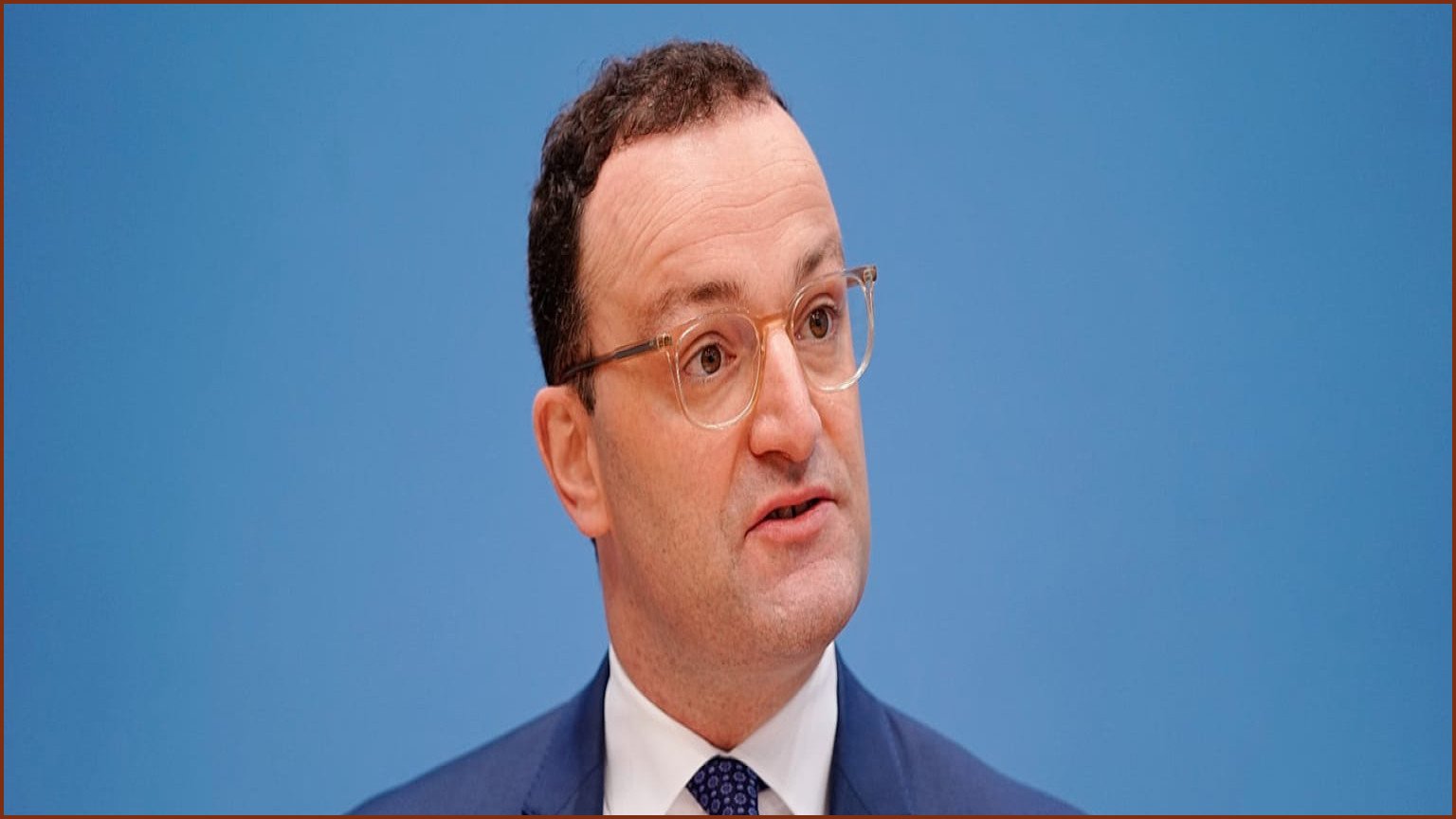
Jens Spahn, the head of the CDU/CSU parliamentary group in the Bundestag, has officially announced his resignation from the post. The decision follows mounting pressure regarding his recent choice to have a child through a surrogate mother in the United States, a practice that remains prohibited under German law and has long been opposed by his party. In a formal letter addressed to members of the Union group, Spahn confirmed that he had already notified German Chancellor and CDU leader Friedrich Merz, as well as CSU leader Markus Söder, of his decision to step down.
In his statement, Spahn explained that the balancing act between his private decision to have a child via surrogacy and the expectations placed upon him as a group leader had become greater than he had anticipated. He explicitly stated that his personal happiness, starting a family with his husband Daniel Funke, was not compatible with his political office. Spahn described his time leading the Union group as a great honour and expressed gratitude to his deputy, Alexander Hoffmann, and the entire leadership of the parliamentary group for their trusting and friendly cooperation. He also made a point of mentioning SPD group leader Matthias Miersch, noting that their working relationship had served as a stabilizing anchor for the coalition.
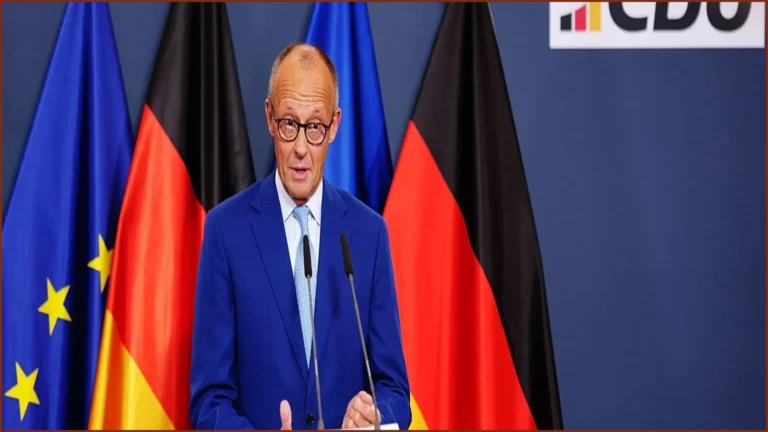
Following the announcement, Chancellor Friedrich Merz described the move as the right and unavoidable one. In a statement released on Saturday, Merz emphasized that credibility is the highest asset in politics. Reports from the Bild newspaper indicate that Merz had called on Spahn to step down shortly before the announcement. Furthermore, Merz is said to have consulted with several CDU state party leaders on Saturday morning regarding Spahn's political future, as opinion within the party had largely turned against him.
The pressure had been building for some time, including from the CDU city branch in Brilon—the hometown of Chancellor Merz—which issued an open letter demanding Spahn’s resignation. The local party argued that by utilizing surrogacy services abroad, Spahn had sent a disastrous signal that contradicted both German law and the CDU's long-standing opposition to the practice. The branch stated that the controversy was undermining the party’s credibility and making the work of local politicians more difficult. Other figures, such as CDU politician Wolfgang Bosbach, had also publicly suggested that Spahn should step down to spare the Union and the CDU from a months-long debate over his leadership.
The controversy emerged following the announcement on Wednesday that Spahn and his husband had become parents. The situation drew sharp criticism from religious leaders as well. The regional bishop of the Protestant Church in Württemberg, Ernst-Wilhelm Gohl, accused Spahn of double standards, pointing to the fact that the politician had made use of surrogacy abroad. Catholic bishop Stefan Oster of Passau also voiced his concern, stating that if a prominent CDU politician consciously violates the laws of the country and the fundamental positions of his own party to fulfill personal wishes, it is a real scandal.
Prior to his resignation, Spahn had indicated in an interview with Bild on Friday that he intended to speak with the CDU/CSU parliamentary group about his political future in September. The first regular meeting of the parliamentary group after the summer recess is scheduled for 8 September, which is two days after the key state election in Saxony-Anhalt.
"Anyone who, as one of our party's highest representatives, deliberately makes use of options abroad that contradict the value judgements of German law sends a disastrous signal," it said.
Critics argue that Spahn privately benefitted from using a surrogacy option abroad while supporting options that prevented people in Germany from doing the same.