Naved Nawaz, who previously coached Bangladesh to victory in the Under-19 World Cup, has emphasized the importance of developing a dedicated biomechanics laboratory to support player growth and performance within the country's cricket structure. Nawaz is currently serving as the coach educator for the Bangladesh Cricket Board (BCB) and overseeing the recently introduced Under-23 program.
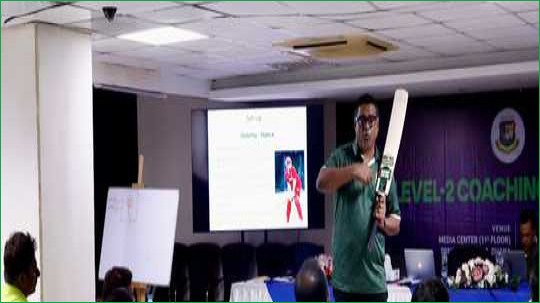
Speaking during a Level-2 coaching program at the Sher-e-Bangla National Cricket Stadium, Nawaz highlighted the need for a localized curriculum to address the specific challenges faced by Bangladeshi coaches. "We are trying to form the department to make sure that we have locally grown coaches and also to make sure that we have our own curriculum," Nawaz stated. He explained that current overseas-led ICC courses are often designed for a global audience and do not always cater to the unique constraints and needs of coaches in Bangladesh.
Nawaz simplified the concept of biomechanics, describing it as the study of how the body functions during athletic activities like running, fielding, batting, or bowling, aiming for efficiency. He noted that while highly specialized international experts exist, basic mechanical principles are fundamental and should be integrated into the coaching curriculum.
The former Sri Lankan all-rounder sees significant potential benefits in the BCB developing its own biomechanics lab. "If you look at the way the sport is going, biomechanics labs are used to detect actions, make corrections, prevent injuries, aid rehabilitation and things like that," he observed. He pointed out that many countries and universities incorporate sports science, including biomechanics, into their programs, not exclusively for cricket but for all sports.
Nawaz suggested that such a facility in Bangladesh could also serve other growing sports like football. He specifically mentioned the high number of injury concerns among fast bowlers in Bangladesh, underscoring the specialized nature of biomechanics and the need to leverage expert knowledge. "Having said that, it is definitely a good idea to venture into that area," he added.
Transitioning to his new role with the Under-23 cricketers, Nawaz views it as a natural progression from the U-19 program. This initiative aims to support late bloomers and strengthen the talent pipeline, ultimately producing more skilled cricketers for the national team. "This programme is about helping these players and strengthening the pipeline, basically, to produce better cricketers so that we have stronger feeder teams and, hopefully, better players coming through into the Bangladesh national team," he explained.
Nawaz believes his extensive experience with the Under-19 setup in both Sri Lanka and Bangladesh will be invaluable. "My experience in the Under-19 setup… is definitely going to help because I have quite a lot of knowledge about what these players need to extend their careers and bridge the gaps before moving into senior-level cricket," he said. His plan is to prepare squads with robust programs, equipping them better for first-class cricket and the Bangladesh Premier League (BPL), thereby expanding the pool of talent for national selectors.
Maybe if Bangladesh develops something like that, it can cater to other sports as well.
Obviously, we'll have to use the knowledge of people who have studied that subject.