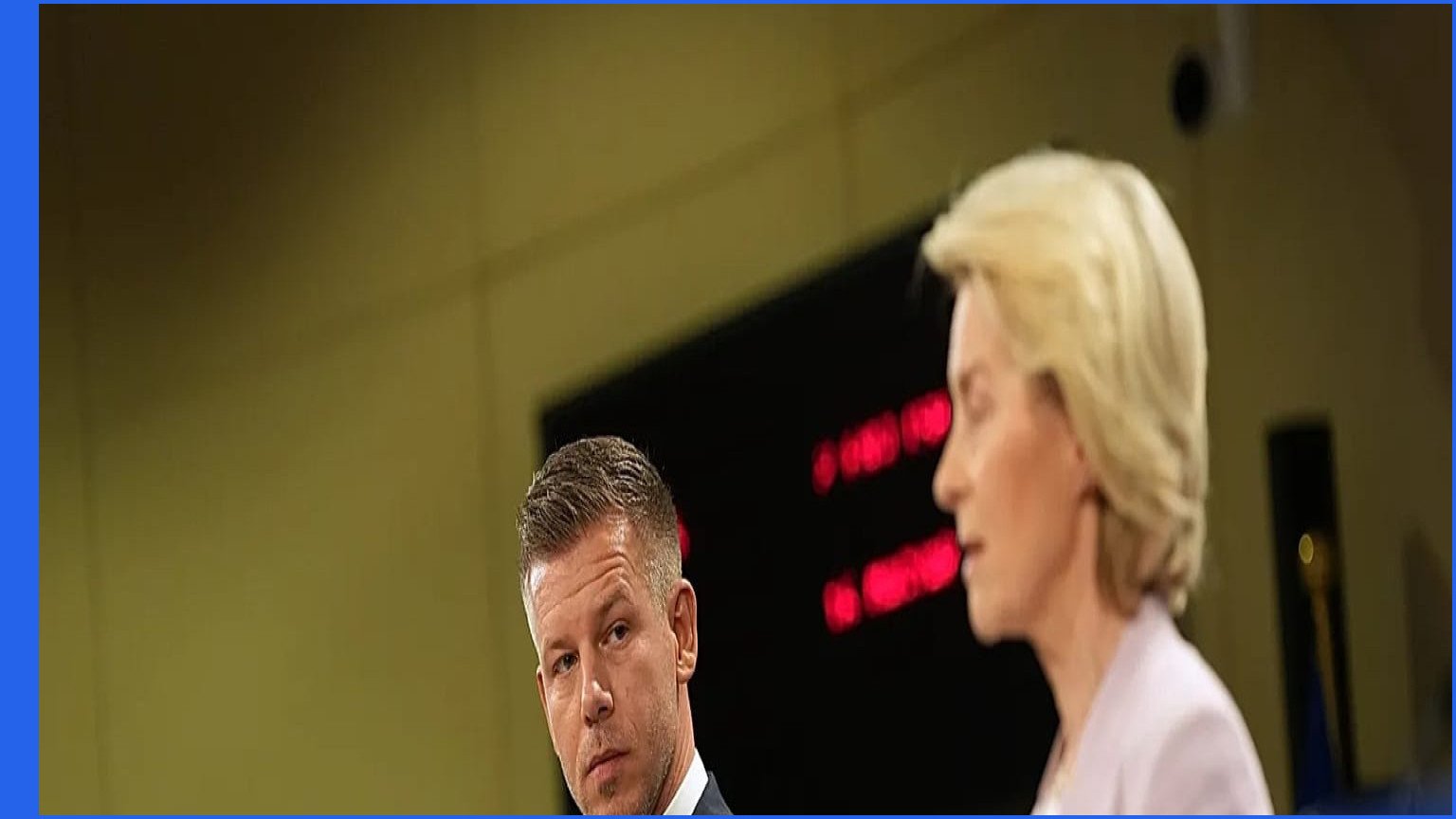
Hungary is struggling to finalize its return to the European Union’s Erasmus+ exchange program, putting the participation of its students for the upcoming academic year in jeopardy. Despite earlier commitments from Prime Minister Péter Magyar and European Commission President Ursula von der Leyen that the process would be completed in time for a September restart, the window for administrative action is rapidly closing.
Following his election victory in April, Prime Minister Magyar moved to address EU concerns by renationalizing public interest trusts, a step intended to meet requirements for improved transparency in governance. While both the Hungarian government and the European Commission previously expressed a desire to resume the program by the autumn, the current bureaucratic timeline makes an immediate lifting of the suspension unlikely. The European Commission remains unable to formally overturn the ban until Hungary submits a comprehensive package of 27 "super milestones" related to the EU's Conditionality Mechanism, which links funding to rule-of-law standards.
Diplomatic sources indicate that while Hungary has met the specific criteria necessary to lift the Erasmus+ suspension, these milestones are not scheduled for submission to Brussels until the end of August. As the file is currently under review by the Commission’s Directorate-General for Budget, officials suggest it is nearly impossible to complete the necessary legal processes before the academic term begins in September. Dr. Loretta Huszák, a lecturer at Corvinus University, noted that securing EU financing for the 2026-27 academic year is now practically impossible, suggesting that any return to the program may not impact mobility until the 2027-28 academic year at the earliest.
The Hungarian Ministry of Education and Children confirmed that while universities have submitted their mobility applications for 2026, the associated grant funds remain inaccessible until the Council of the European Union lifts its restrictions. The ministry stated that it is working closely with the EU to facilitate a return to the program as quickly as possible. In the interim, the government has launched the national Pannónia Scholarship Programme to bridge the gap. According to the ministry, the technical and administrative preparations for future grant agreements can proceed during the suspension period, but the actual signing of agreements and disbursement of funds must wait for the formal EU decision.
Prime Minister Magyar previously acknowledged the complexity of the situation during an April visit to Brussels, expressing hope that a solution could be found to ensure students could still access European universities through additional applications, even if the primary deadlines had already passed. For now, the government maintains that the Pannónia program provides the necessary financial support for international student, faculty, and staff mobility while the negotiations with Brussels continue.
After coming to power, Magyar's government decided to renationalise those public interest trusts, meeting the EU's demands for greater transparency in their governing boards and decision-making.
"The grant amounts granted to them conditionally are available, but they can only be used after the Council's restriction is lifted," the ministry said.