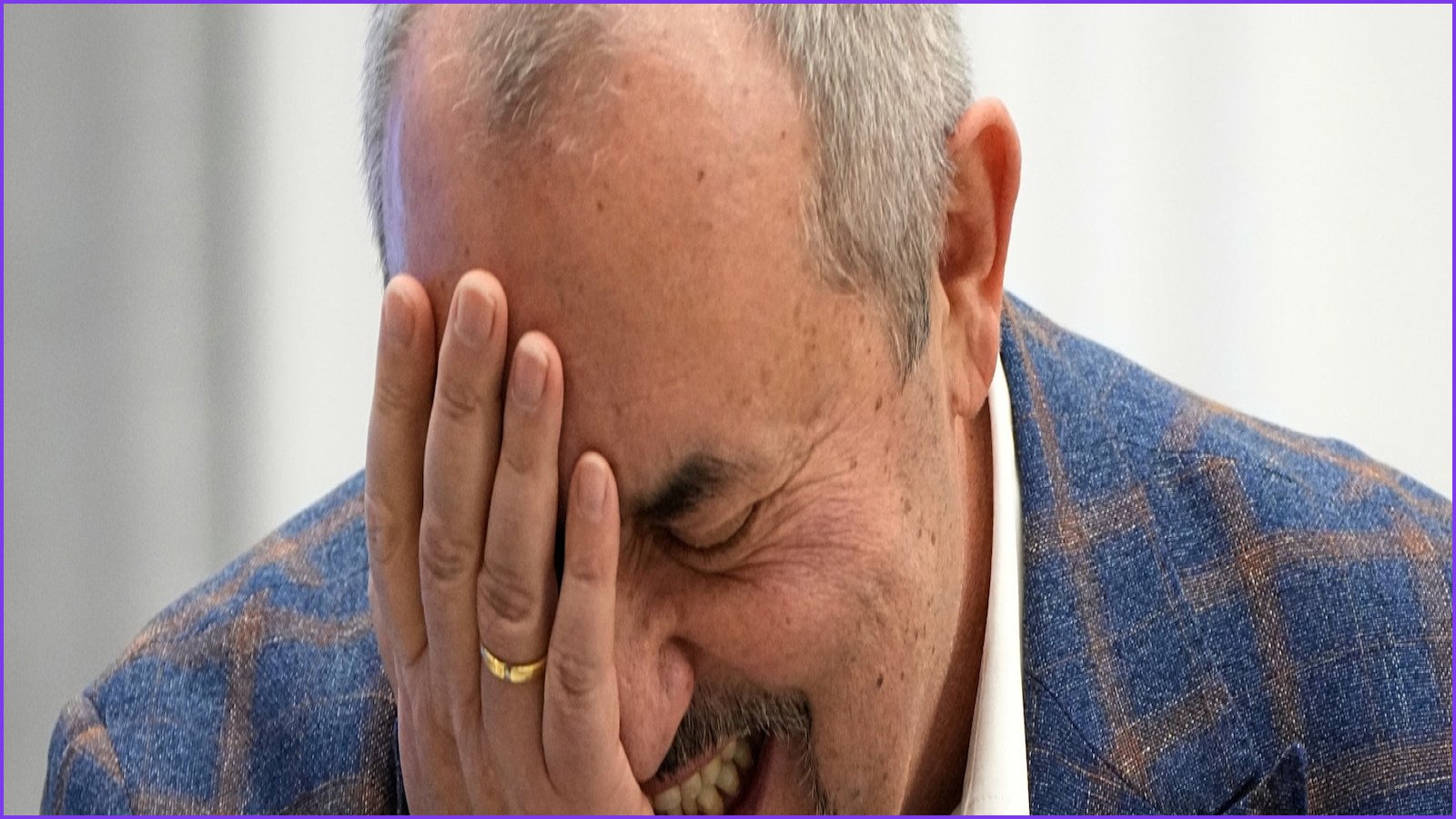
Boris Nadezhdin, a 63-year-old liberal politician known for his vocal opposition to Russia’s military actions in Ukraine, was briefly detained by police on Monday. Nadezhdin, who resides in the town of Dolgoprudny on the northern edge of Moscow, reported the incident on his Telegram channel. He was released after spending a few hours in custody and has been ordered to appear in court later this week.
The legal proceedings against Nadezhdin involve an administrative charge of displaying “extremist symbols,” an offense that carries the potential for a fine or a 15-day jail sentence. According to the independent outlet Zona.media, the charges stem from a 2023 online interview where Nadezhdin briefly displayed a photograph of the late opposition leader Alexei Navalny. At the time of that interview, Navalny was serving a 19-year sentence on extremism charges that many observers deemed to be politically motivated.
Navalny passed away in an Arctic penal colony on February 16, 2024. While Russian authorities attributed his death to natural causes after he reportedly felt ill following a walk, five European nations issued a joint statement earlier this year alleging that he was poisoned by the Kremlin using a rare, lethal toxin derived from the skin of poison dart frogs.
The detention follows a recent move by the Russian Justice Ministry, which officially designated Nadezhdin as a “foreign agent” three days ago. This label brings increased government scrutiny and carries significant negative connotations. Previously, Nadezhdin sought to challenge President Vladimir Putin in the 2024 presidential election, but he was barred from the ballot after the Supreme Court ruled that over 9,000 of the signatures submitted by his campaign were invalid.
Despite the “foreign agent” designation, which would legally bar him from running for office, he has insisted that he would run for parliament in September's election as an independent candidate, even though the “foreign agent” label bars him from running. Since the February 2022 invasion of Ukraine, Russian authorities have intensified their crackdown on dissent, targeting independent media, civil society organizations, rights groups, religious groups, and LGBTQ+ activists. This ongoing pressure has led to the imprisonment of hundreds and prompted thousands of others to flee the country.