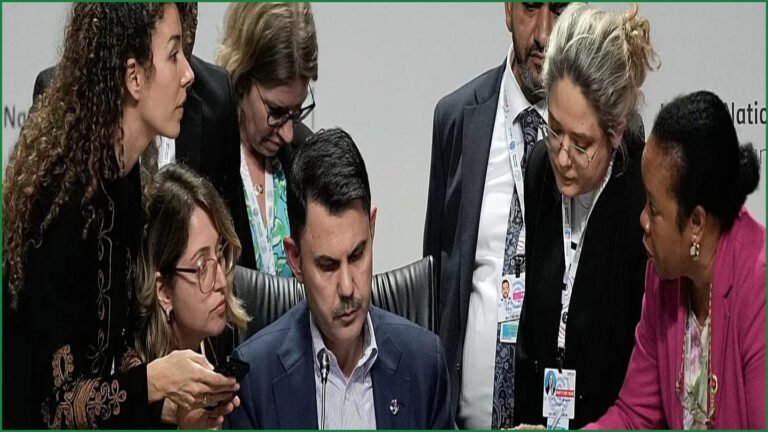
Nearly 200 countries are currently locked in extended negotiations in Antalya, Turkey, after failing to reach a consensus by the scheduled Friday evening deadline. Following two weeks of intense debate regarding global climate breakdown, participants remain divided, with Brazil’s national secretary for climate change, Aloisio Lopes Pereira de Melo, stating that “no one is happy” at this juncture.
A major point of contention centers on the removal of references to fossil fuels from the draft agreement. Eight nations—Panama, Belgium, Côte d’Ivoire, Finland, Greece, the Solomon Islands, and Sweden—have formally called for the inclusion of a “clear transition away from fossil fuels.” Panama’s climate minister, Juan Carlos Navarro, emphasized that it is “not acceptable” for the document to ignore the issue, noting that his country had previously sent an open letter to the negotiations president, Chris Bowen, outlining non-negotiable demands.
While negotiations have stalled, Bowen maintained an optimistic outlook on Friday afternoon, stating, “There is still a spirit of making it work. People have strong views, of course. I’m not stepping away from that. But no one has said to me, let’s give up and go home.”
Reports from inside the talks suggest that Saudi Arabia has played an obstructive role, a reputation the petrostate has held for decades. The country is reportedly pushing for the final agreement to prioritize carbon capture, utilisation, and storage (CCUS) to help meet the 1.5C temperature goal. Neil Grant, a senior expert at Climate Analytics, criticized this inclusion, labeling CCUS a “Trojan horse for fossil fuel interests.”
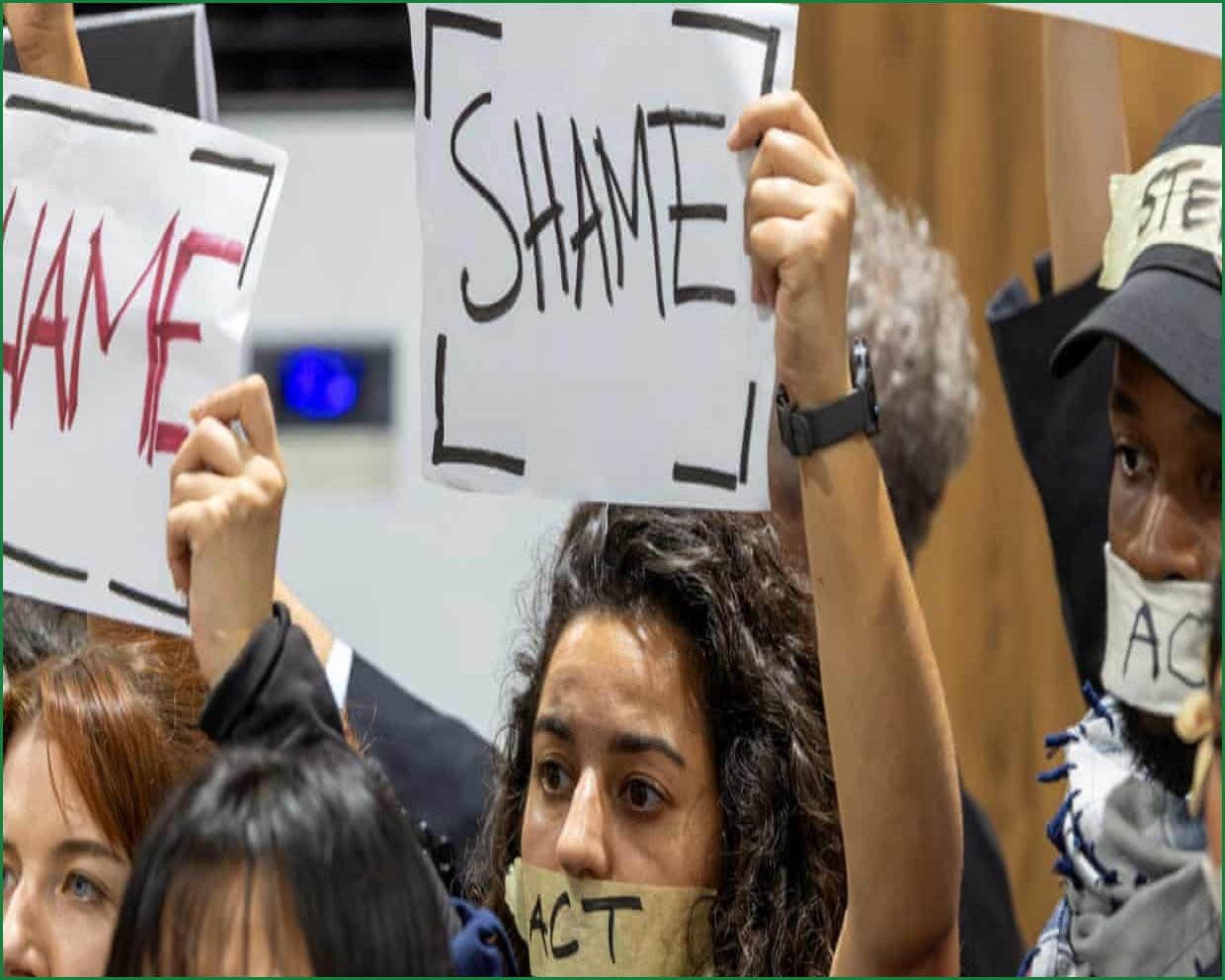
Tensions were further heightened by a dramatic intervention from African ministers representing Ghana, Zambia, Senegal, Kenya, and Sierra Leone. The ministers declared, “We didn’t come here to beg,” and accused wealthier nations of attempting a “third exploitation” of the continent by using carbon taxes to hinder industrialization. Civil society groups, who have a mandated role in the process, have labeled these the “worst Cop ever,” citing a failure to implement a just transition mechanism intended to address social and economic justice.
Climate finance remains another significant barrier. While African nations have requested stronger support, civil society observers have accused European nations of obstructing progress. A senior EU official defended the bloc’s position on Friday, stating that the EU and its member states are providing €32.3bn from public sources and mobilizing €9.3bn in private finance in 2025 to assist developing countries. The current overtime session reflects a long-standing trend in the process; the last COP meeting to conclude on time occurred in Italy in 2003.