Medical experts are describing a new daily pill as the most significant breakthrough in the treatment of pancreatic cancer in decades. In early clinical trials, the drug daraxonrasib, when administered alongside chemotherapy drugs gemcitabine and nabpaclitaxel, appeared to shrink and potentially even eliminate tumors in patients suffering from one of the deadliest and most difficult-to-treat forms of cancer.
The trial involved 61 participants who had recently been diagnosed with advanced pancreatic cancer that had already spread to other parts of the body. The results showed that tumor growth was halted in nearly 90% of the participants. Furthermore, just over 60% of the patients observed their tumors shrink or disappear entirely.
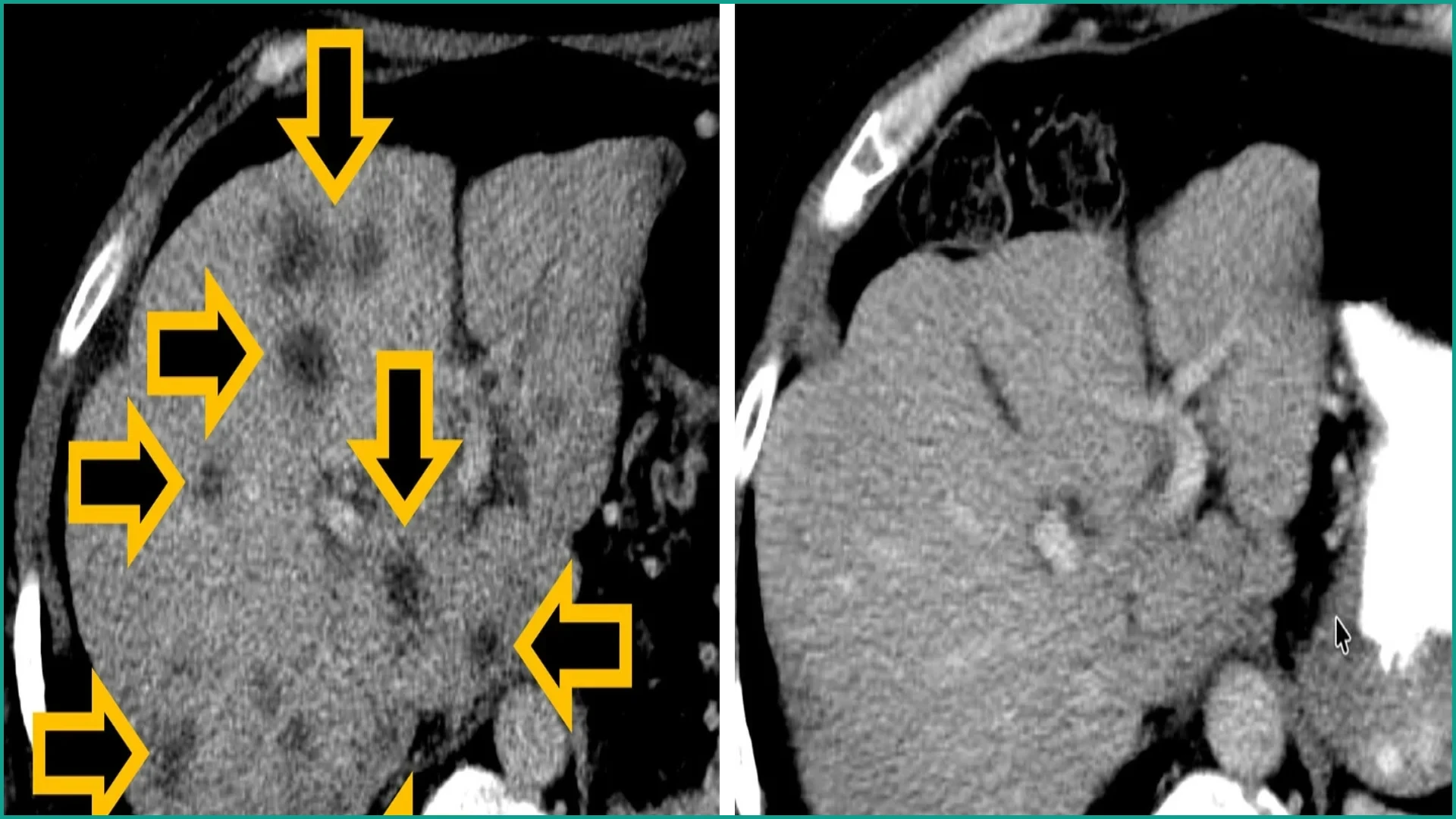
In a notable finding, the cancer became undetectable on CT scans for approximately 8% of the patients, which equates to one in 12 individuals.
Despite these findings, doctors emphasize that the treatment should not be viewed as a cure. It remains unclear how long the medication can effectively keep the disease at bay. The trial followed patients for an average of a year and a half, and while some participants did not see their cancer return during this period, longer studies are required to determine if these cases can be considered in remission and for what duration.
Dr. Wungki Park, a researcher from the Memorial Sloan Kettering Cancer Center in the US who is involved in the trial, stated that the results are extremely encouraging. He noted that the team is observing not only higher tumor response rates but also deeper responses and a near doubling in the duration of disease control, which may eventually translate into longer survival for patients.
Daraxonrasib is a targeted inhibitor already approved in the US. It functions by locking onto and shutting off specific mutations known as RAS, which are found in most pancreatic cancers and drive tumor growth. Because similar mutations appear in dozens of other cancers, including lung and ovarian, researchers hope the drug may eventually assist a wider range of patients.
Cancer Research UK has hailed the results as the biggest leap forward for pancreatic cancer patients in decades. Dr. Sam Godfrey of the charity told reporters that the results were incredibly exciting, noting that the drug has found a way of "drugging the undruggable." He added that progress in pancreatic cancer has been long overdue.
However, Dr. Godfrey also cautioned that longer trials are vital, as cancer can return, and patients cannot be declared cancer-free until more time has passed.
The findings are being presented to medical professionals at the EORTC–NCI–AACR Symposium 2026. Prof. Elena Garralda, chair of the conference, stated that the combined treatment could potentially significantly improve patients' overall survival and the time before tumors begin to grow again.
Pancreatic cancer is notoriously difficult to treat and currently holds the lowest survival rate of all common cancers in the UK. Most patients with advanced disease survive for months rather than years.
In the United States, the disease accounts for about 3% of all cancers and 8% of all cancer deaths, killing around 53,000 people annually. In Britain, there are 11,500 diagnoses each year and approximately 10,200 deaths. The disease famously claimed the life of actor Alan Rickman in 2016, just five months after his diagnosis.
Common symptoms include jaundice, itchy skin, darker urine, paler stools, unexplained weight loss, tiredness, and high temperature.
CT scans before (left) and after treatment with daraxonrasib plus chemotherapy (gemcitabine and nabpaclitaxel) showing multiple tumours that are no longer visible. Yellow arrows indicate the tumours visible before treatment
Tumours stopped growing in almost all of the 61 participants who had recently been diagnosed with advanced pancreatic cancer that had spread to other parts of the body.