Tensions in the Persian Gulf reached a new peak on Saturday night as Iran launched two waves of drone and ballistic missile attacks against four US military bases in Bahrain. The strikes, which reportedly targeted facilities including the Sheikh Isa and Juffair bases, were described by Iran as a response to persistent US incursions into Iranian airspace. The Islamic Revolutionary Guard Corps (IRGC) claimed that these operations successfully struck two Patriot defense batteries and a radar system, though these assertions remain unconfirmed by either Bahraini or US military officials.
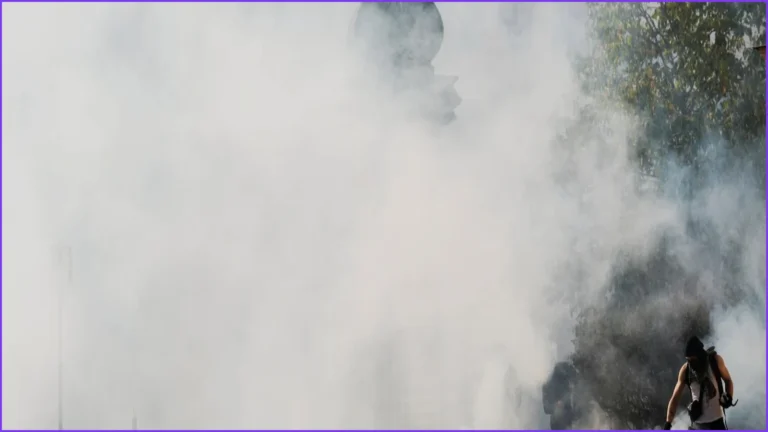
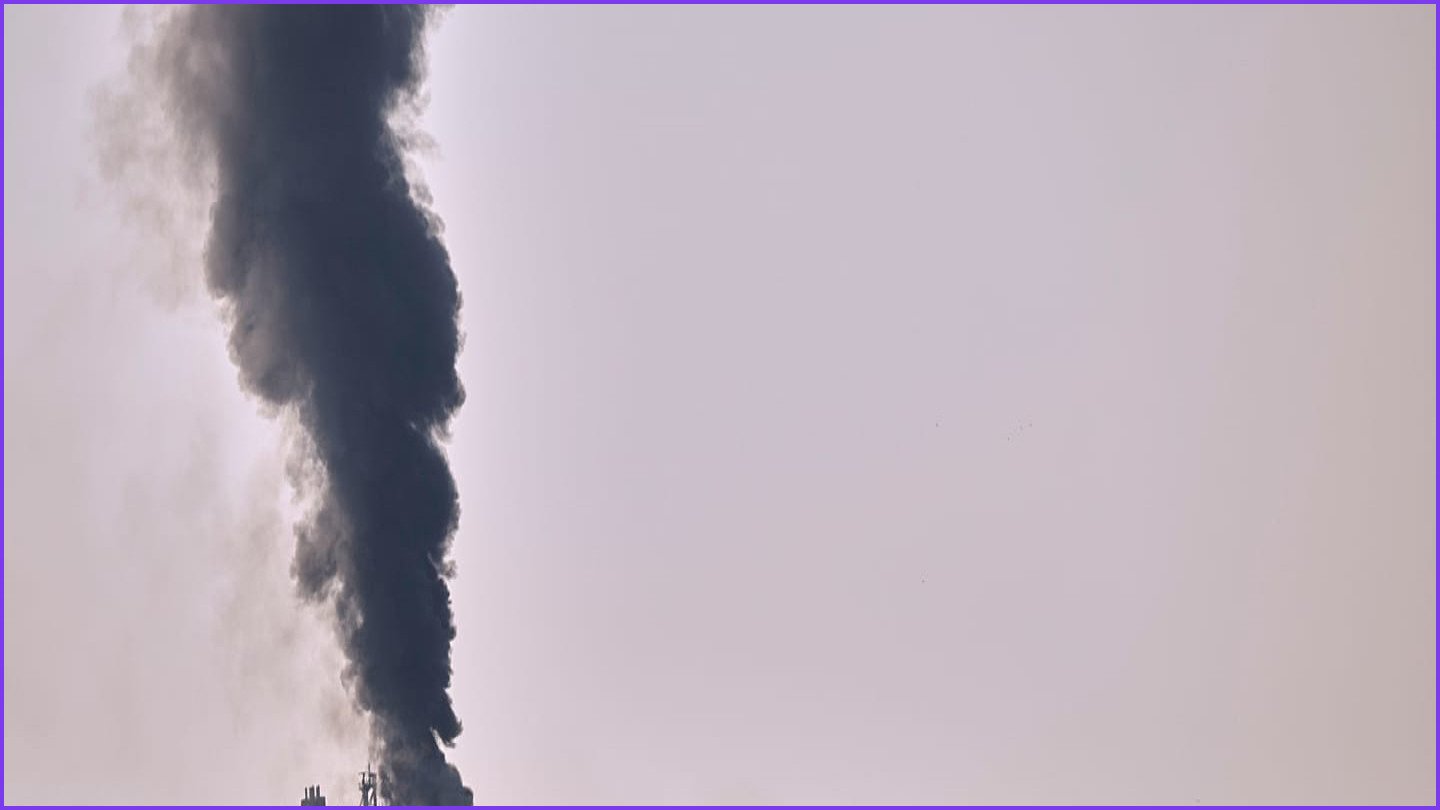
Authorities in Bahrain reported that their air defense systems intercepted several of the incoming projectiles, characterizing the incident as a “heinous Iranian aggression.” While the Bahraini Interior Ministry confirmed that a fire erupted at a civilian industrial compound, they noted that no injuries were reported. Local sources described hearing loud explosions, and footage circulating in the region showed smoke rising from an unidentified location.
The military escalation extended to the Strait of Hormuz, where the UK Maritime Trade Operations (UKMTO) reported that two tankers were struck by projectiles early Saturday while attempting to exit the Persian Gulf. Separately, the Iranian navy stated that a tanker caught fire after striking a naval mine east of the strait. Tehran also reported that its military conducted its most “intense and varied” operations to date in the region overnight to halt maritime traffic.
These developments coincide with an intensifying standoff over a US-led blockade of Iranian ports. More than 14 Iranian tankers are reportedly stationed off Kharg Island, preparing to challenge the blockade in the coming days. Kazem Gharibabadi, Iran’s deputy minister of foreign affairs, labeled the US blockade an “act of war” and vowed that Tehran would take all necessary measures to break the economic siege. Iran has warned of a “fierce military response” if the convoy is engaged by US forces, threatening widespread retaliatory strikes against energy infrastructure across the Gulf. President Masoud Pezeshkian further underscored the severity of the situation, describing the blockade as a “silent economic war” that Iran is prepared to withstand.
As Iranian officials confirmed that the convoy is destined for China, analysts from the Washington-based Institute for the Study of War noted that these maneuvers place the United States in a difficult position, forcing a choice between allowing the blockade to collapse or risking a broader conflict that could damage relations with regional allies.
Meanwhile, Iranian Brigadier General Mohammad Akraminia, speaking during a visit to troops in the south, warned that any further aggression against Iran would be met with an immediate and decisive response. Iranian state media also showcased ground troops deployed to defensive positions along the southern coast for the first time. Despite the heightened volatility, diplomatic efforts persist, with Gharibabadi confirming that a Qatari delegation held two hours of talks with Iranian officials on Friday to discuss the ongoing crisis.
Iran’s Revolutionary Guards Corps (IRGC) claimed that it struck 2 Patriot defence batteries and a radar system. Bahrain and the US military did not confirm the claims.
Earlier on Saturday, US Central Command CENTCOM denied Iranian claims that a surface-to-air missile damaged a US F-16 fighter jet on Friday evening.