Austrian authorities are urging households to prepare for potential emergencies by stockpiling food, water, and essential supplies for up to two weeks, a recommendation that significantly surpasses the European Union's basic guidelines.
The European Commission, in March 2025, introduced a preparedness strategy advising households to be self-sufficient for a minimum of 72 hours in an emergency, covering necessities like water, food, energy, heat, and readiness for extreme hot weather. However, Austria's guidance extends this period considerably, suggesting residents maintain enough provisions to last between 10 and 14 days.
This heightened emphasis on preparedness stems from a broad range of potential disruptions, including power cuts, extreme weather events, technological failures, pandemics, and cyberattacks. While geopolitical tensions and conflicts, particularly since the Russian war in Ukraine, are among the risks considered by the EU, authorities stress that the strategy addresses a much wider spectrum of emergencies, not solely the threat of war in Western Europe.
Natural disasters, which are becoming more frequent and severe due to climate change, pose a significant concern. Austria experienced this firsthand with devastating floods in September 2024, which demonstrated how rapidly severe weather can disrupt daily life, damaging infrastructure, isolating communities, and cutting off access to essential services.
Cybersecurity is another critical area of concern. As vital infrastructure increasingly relies on interconnected digital systems, cyberattacks can cripple services that people depend on daily, from communications and energy supplies to supermarket refrigeration, as seen in several European countries, notably France. Austria's 2025 domestic intelligence report, presented in May 2026, specifically warned that artificial intelligence is facilitating the execution of such attacks. The country's electricity grid operator has also identified cyberattacks as a potential cause of widespread blackouts.
Emergencies don't necessarily need to be nationwide or caused by a major external actor to cause serious disruption. Localized incidents such as prolonged power cuts, floods rendering roads impassable, or temporary interruptions to drinking water supplies can leave households struggling to obtain everyday necessities. The rationale behind maintaining emergency supplies is straightforward: to enable households to manage independently for several days while authorities work to restore disrupted services like supermarkets, transport, or electricity.
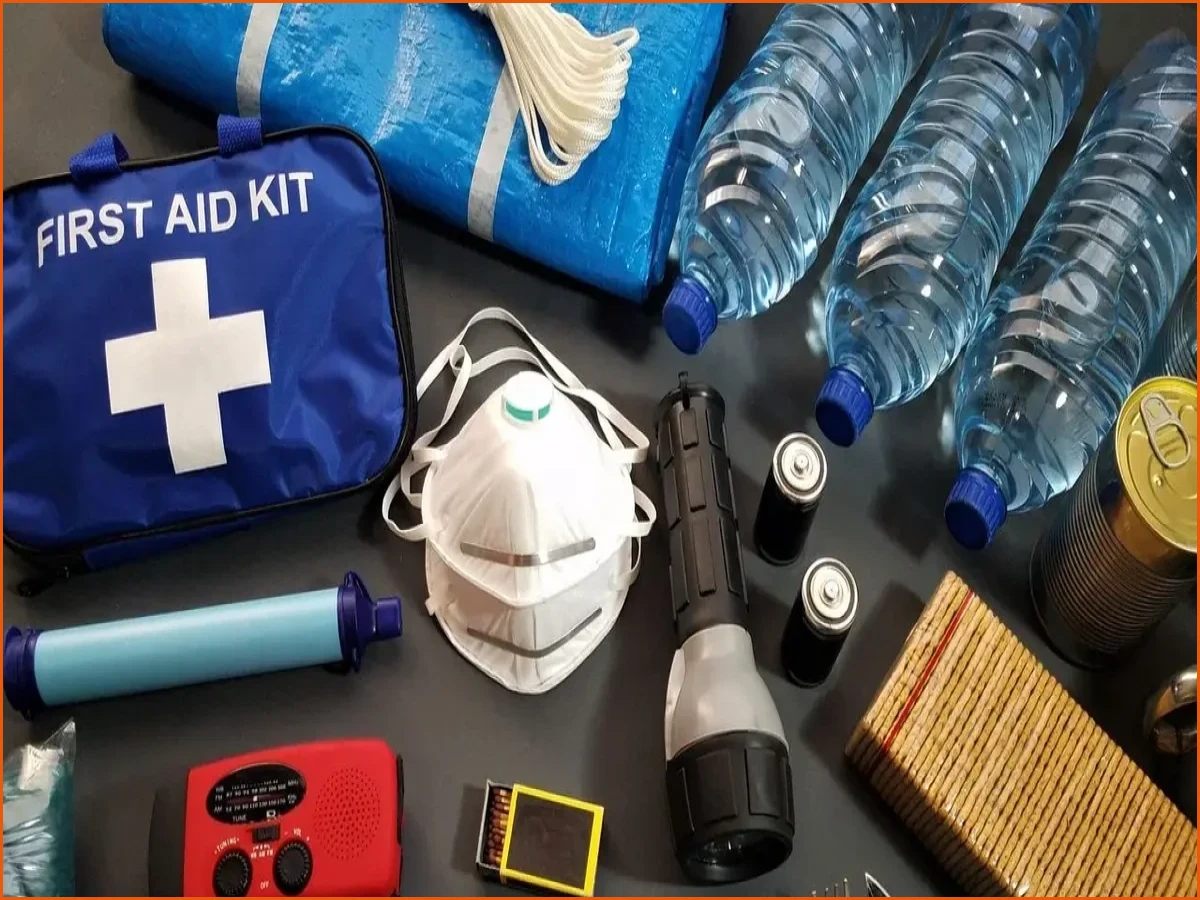
Official Austrian government guidance recommends that households stock enough food and water for 10 to 14 days. This involves imagining a two-week camping holiday at home, where usual appliances and grocery shopping might not be possible. For water, the reference figure is 2.5 litres per person per day, totaling 35 litres per person for a full two-week supply. Storing such a large volume of water can be challenging, especially for those in smaller flats or with larger families.
Regarding food, authorities advise selecting items with a long shelf life that do not require refrigeration and, ideally, can be consumed without cooking. Recommended items include canned vegetables and beans, tinned fish, crispbread, oats, nuts, dried fruit, long-life milk, and other non-perishable products. It is crucial not to rely on refrigerators or freezers for emergency food storage.
Beyond food and water, Austria's preparedness recommendations encompass other essential items. These include alternative lighting sources like a torch with spare batteries, and a battery-powered or hand-crank radio to receive updates if electricity or internet access fails. Authorities caution against the fire risk associated with candles, suggesting battery-powered or hand-crank lights as safer alternatives.
Households are also advised to keep hygiene products such as toilet paper, soap, sanitary products, and rubbish bags, along with specific needs for children and pets, including nappies, special dietary items, and adequate food and water for animals. Important documents and a list of key telephone numbers should be kept in a safe, accessible location. Additionally, families are encouraged to have a plan for contacting or meeting members if mobile phone networks become unavailable, helping to avoid unnecessary food waste and maintain reserves.
Despite these extensive official recommendations, some Austrian politicians have acknowledged not adhering to the full extent of the guidelines. In October 2022, then-energy minister Leonore Gewessler of the Greens was questioned by an Austrian newspaper about her preparedness for a blackout. She responded, "No, I do not store food for 15 days." Gewessler, who was responsible for Austria's energy policy at the time, highlighted the country's electricity network as among the safest globally, citing high safety standards and regular emergency preparations. She noted that while preparing for ordinary power cuts is sensible, she personally keeps only a torch and candles at home. Her comments, made in 2022, offer a perspective on the disparity between official advice and the precautions individuals, even those well-informed on the subject, choose to take in their daily lives.
READ ALSO: Reader question: What are the chances of a blackout in Austria?