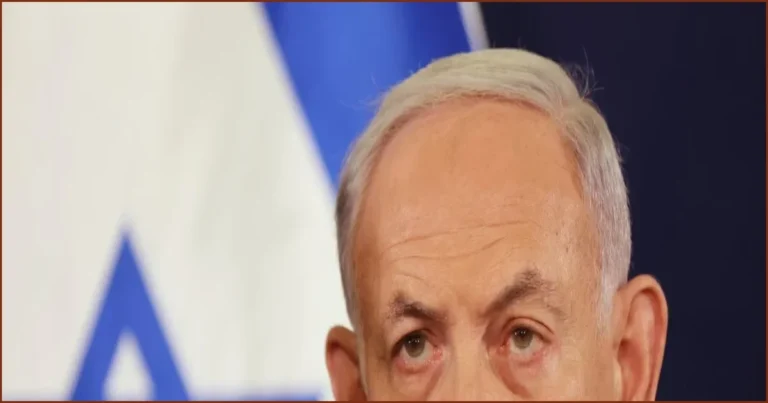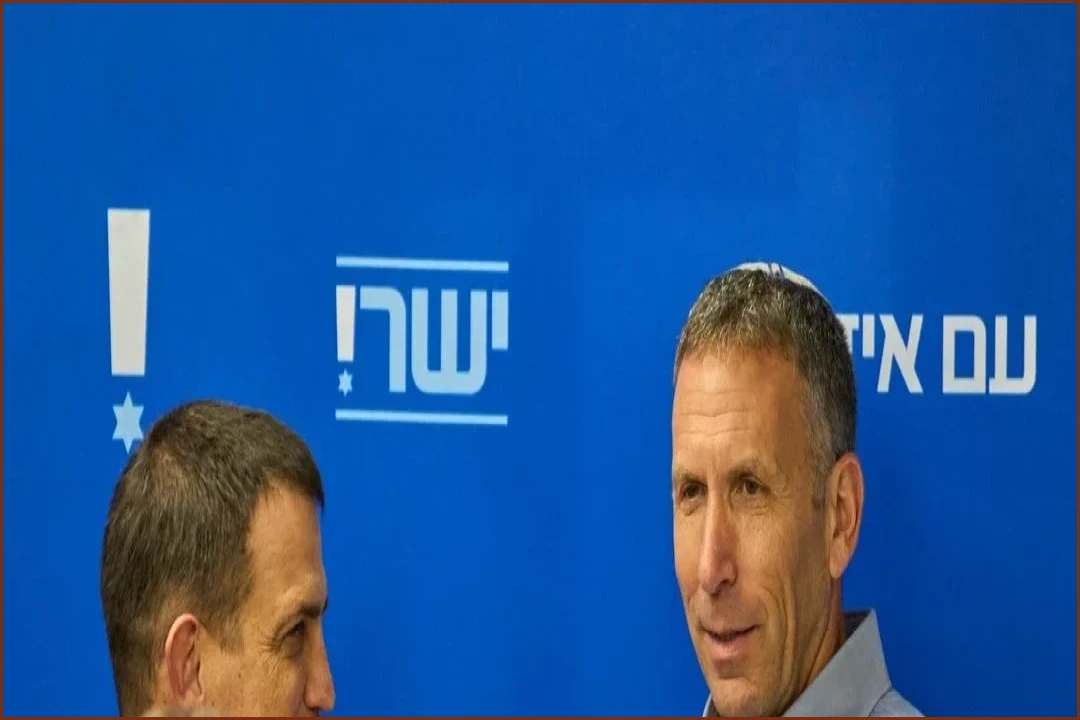
Israeli lawmakers have elected Matan Kahana as the new speaker of the Knesset, a development that signifies a major victory for the anti-Netanyahu camp and serves as an initial step toward dismantling the legislative agenda of caretaker Prime Minister Benjamin Netanyahu. Kahana, who is a member of Gadi Eisenkot's Yashar party, secured 66 votes in the 120-seat parliament on Tuesday, successfully defeating the Likud candidate Ofir Katz, who received 52 votes.
The victory was achieved through the unified support of the so-called change bloc, which consists of Yashar, Together, Yisrael Beiteinu, and the Democrats. Crucially, the outcome was bolstered by the support of 19 lawmakers representing the Joint List and the United Arab List, or Ra'am. Following this shift, the outgoing speaker, Amir Ohana, is expected to be appointed as the minister of strategic affairs within Netanyahu's transitional administration.
The legislative session was marked by intense debate, including heated exchanges and procedural stall tactics as the outgoing right-wing coalition attempted to delay the vote by extending various speeches. Tensions between the Likud and Yashar parties had previously escalated when talks collapsed over Likud's demand for guarantees that would exclude Arab lawmakers from holding parliamentary deputy speaker positions. Both Eisenkot and Kahana rejected this condition, maintaining an agreement to appoint nine deputy speakers, including two representatives from the Arab community.
Addressing the parliament, Eisenkot stated that Kahana’s election reflects the will of the pro-change majority and rejected rhetoric that seeks to divide citizens or lawmakers into different tiers. Arab lawmakers expressed satisfaction with the results; Joint List chairman Yousef Jabareen confirmed his bloc's intention to oppose Likud, while MK Ahmad Tibi described the vote as a first step toward correction. Control of the speaker's chair provides the opposition with vital authority over parliamentary scheduling as Eisenkot continues to work under a 28-day mandate, granted by President Isaac Herzog on November 8, to assemble a governing coalition.