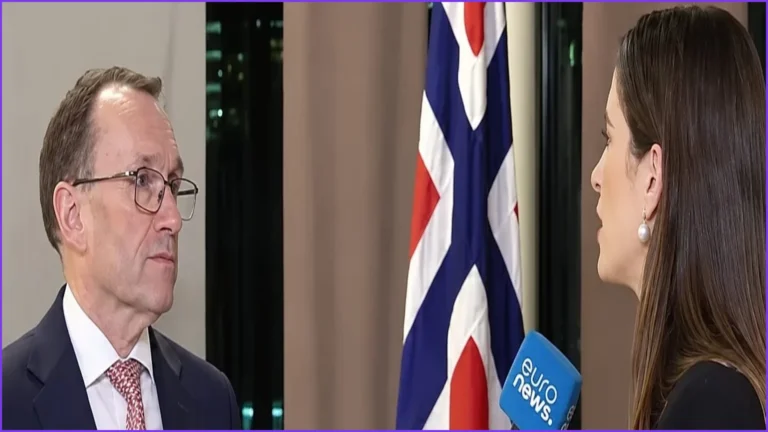
A senior US defence official has publicly criticised Ukraine’s ongoing campaign of "deep strikes" against Russian territory, suggesting the strategy has failed to shorten the war or blunt Russian military advances. Speaking from NATO’s headquarters in Brussels on Tuesday, Under Secretary of Defence Elbridge Colby argued that these long-range attacks, particularly those aimed at civilian infrastructure such as Wildberries, have likely served to strengthen the Russian public's resolve and increase the Kremlin's willingness to escalate the conflict.
Colby stated that the primary focus of support for Kyiv should remain on enabling the country to hold the front line and achieve territorial gains where possible. This critique comes as Ukraine increasingly relies on advanced drone technology to target energy infrastructure, including oil refineries and terminals, alongside military sites such as air bases, in an effort to disrupt the Russian economy and Vladimir Putin’s war machine. Previously, US President Donald Trump had demanded that Ukraine cease its strikes on Russian oil refineries, citing concerns regarding rising diesel fuel prices.
The US position has faced opposition from European partners. German Defence Minister Boris Pistorius dismissed the warning as "quite a stupid thing," while his British counterpart Wes Streeting maintained that there was "no doubt" in his mind that these long-range strikes have successfully degraded the Russian war machine, effectively buying time and saving lives.
Meanwhile, Ukrainian President Volodymyr Zelenskyy, speaking via video link to the Ukraine Defence Contact Group in Brussels, urged allies to expedite the delivery of interceptor missiles, specifically requesting Patriot and IRIS-T systems from existing stocks. Zelenskyy emphasized that the need is immediate, further requesting an additional 40 F-16 fighter jets to bolster air defences. These pleas arrive as Ukraine prepares for another challenging winter, during which Russia has historically intensified its bombardment of the country’s energy sector in an attempt to break Ukrainian resolve.