A sharp debate has erupted within Iran's parliament and core political circles regarding whether the Islamic Republic should formally revise its nuclear doctrine and withdraw from the Nuclear Non-Proliferation Treaty (NPT). The heightened discourse comes as the United States and Israel have declared neutralizing Iran's capacity to develop nuclear weapons as the primary objective of their ongoing military campaign against the country.
Iranian lawmaker Kamran Ghazanfari argued that developing nuclear armaments is far more critical for the nation's security than merely countering external rhetoric. Pointing to explicit threats from Washington and Israel, Ghazanfari asserted that Iran cannot remain passive when facing existential dangers. He stressed that the United States and the Zionist regime have repeatedly threatened the potential use of nuclear weapons, creating a direct menace to the Iranian public and the state's survival. In his view, Iran cannot simply rely on the hope that adversaries will refrain from employing nuclear armaments, making direct confrontation and deterrence imperative.
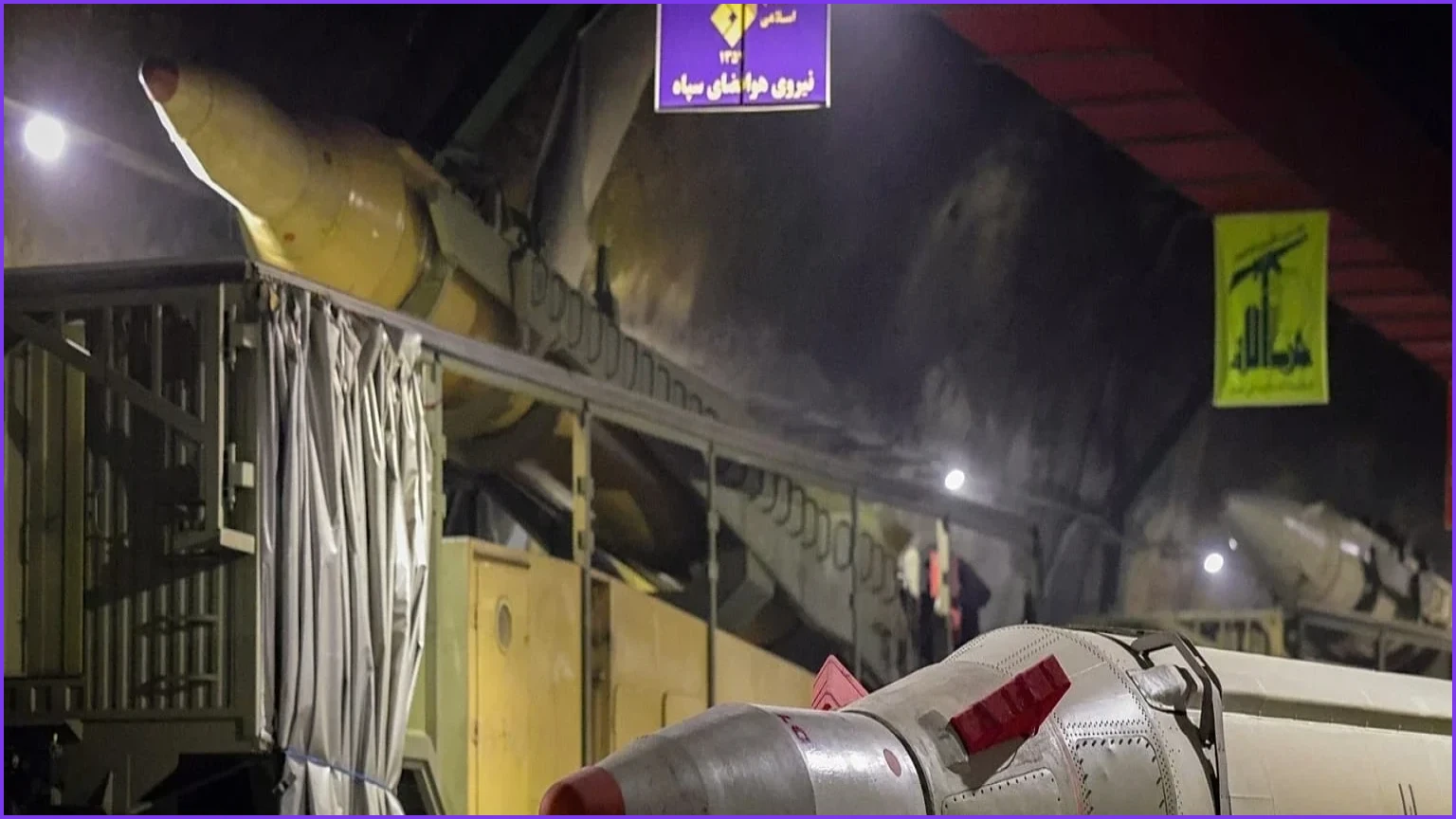
Ghazanfari urged Iran's top leadership to conduct a formal review of the national nuclear strategy to ensure adversaries understand that any nuclear strike on Iranian territory would be met with an immediate reciprocal action. Drawing a historical parallel, he noted that no nuclear-armed state has launched a nuclear attack against another since World War II due to the mutual fear of devastating retaliation. He maintained that Iran must establish a similar deterrent capability, dismissing concerns that Iran lacks nuclear-powered submarines or strategic bombers by explaining that modern missile systems provide a fully capable vector for delivering nuclear warheads.
The lawmaker also offered his interpretation of recent comments by Mohsen Rezaei, the secretary of Iran's Supreme National Security Council. When Rezaei previously remarked that Iran possesses "something," Ghazanfari argued he was referring to a specialized strategic weapon rather than a conventional asset. According to Ghazanfari, a shift in Iran's operational nuclear doctrine has already taken place in practice. He revealed that members of parliament are actively pushing to bring a formal NPT withdrawal plan to an open floor debate, noting that while the presiding board of parliament blocked a similar attempt last year, persistent legislative efforts are underway despite ongoing procedural delays.
Taking a starkly different position, former Iranian parliamentarian Heshmatollah Falahatpisheh questioned whether pursuing an atomic weapon would provide Iran with genuine deterrence. Falahatpisheh argued that effective nuclear deterrence requires three essential elements: possessing an atomic bomb, maintaining a deterrent nuclear balance, and holding the capability to deliver a definitive final blow. He asserted that those who believe simply constructing a nuclear weapon creates true deterrence are mistaken.
Falahatpisheh noted that while he lacks direct knowledge of whether Iran currently possesses an atomic bomb, the country's nuclear initiative was historically structured for peaceful purposes. He highlighted that any potential military dimensions had been formally closed under the Joint Comprehensive Plan of Action (JCPOA), which successfully removed Iran's dossier from Chapter Seven of the United Nations Charter. He maintained that Iran's traditional military approach relies on conventional strategies, which have proven reasonably effective. Falahatpisheh expressed skepticism that Rezaei's reference to "certain things" signaled the existence of a nuclear warhead.
Warning against legislative pushes to abandon international agreements, Falahatpisheh cautioned that formally exiting the NPT would inadvertently lay the groundwork for expanded military action against Iran. While acknowledging that practical cooperation with the treaty framework has effectively deteriorated, he stated that the ultimate status of Iran's involvement remains tied to broader US-Iran relations. In his assessment, leaving the treaty undermines Iranian national interests by creating the perception that elements of the nuclear program are being hidden. He further pointed out that the Supreme National Security Council has not endorsed the MPs' proposed triple-urgency bill to withdraw from the NPT, which explains why the proposal has not advanced to an open parliamentary session.
Despite political divisions, high-level oversight bodies are increasingly addressing the issue. Iran's Assembly of Experts, the constitutional body responsible for supervising the supreme leadership, issued a formal statement calling for a official review of NPT membership. The assembly declared that evaluating a withdrawal from the treaty, reassessing national defense doctrine, and establishing robust deterrent capabilities have become unavoidable necessities driven by urgent public and national demand.