Indigenous leaders in Peru have raised significant concerns following a government decision to re-examine protections for the Mashco Piro, one of the world’s largest uncontacted Indigenous groups. Critics warn that this move could expose ancestral Amazon rainforest territory to logging, potentially triggering violent clashes and the spread of diseases to which the isolated tribe has little immunity.
The Mashco Piro reside deep within the forests of southeastern Peru, maintaining a traditional lifestyle by avoiding contact with outsiders. In recent years, they have been spotted with increasing frequency near expanding logging concessions, signaling mounting pressure on their ancestral lands. Eusebio Rios Iviche, vice president of the Indigenous organization FENAMAD, stated on Monday that the government's decision threatens to undo years of protective efforts. He emphasized that the survival of the Mashco Piro should not be secondary to economic interests and called for the government to honor previous agreements by expanding the reserve and removing overlapping logging concessions.
The current controversy stems from a 2016 government study that recommended expanding the Madre de Dios Territorial Reserve, which was originally established in 2002 to shield the Mashco Piro and other isolated groups. According to advocacy group Survival International and various Indigenous organizations, a government commission tasked with protecting isolated peoples decided last week to revisit that study rather than proceed with the planned expansion. This development has fueled fears that existing logging concessions within the proposed expansion area will continue to operate.
Ramon Rivero, who formerly led the government office responsible for protecting isolated Indigenous peoples in 2014, criticized the decision. He argued that authorities should finalize the reserve’s expansion rather than re-evaluating previously approved studies, suggesting that the government should focus on compensating logging companies whose concessions might be impacted instead.
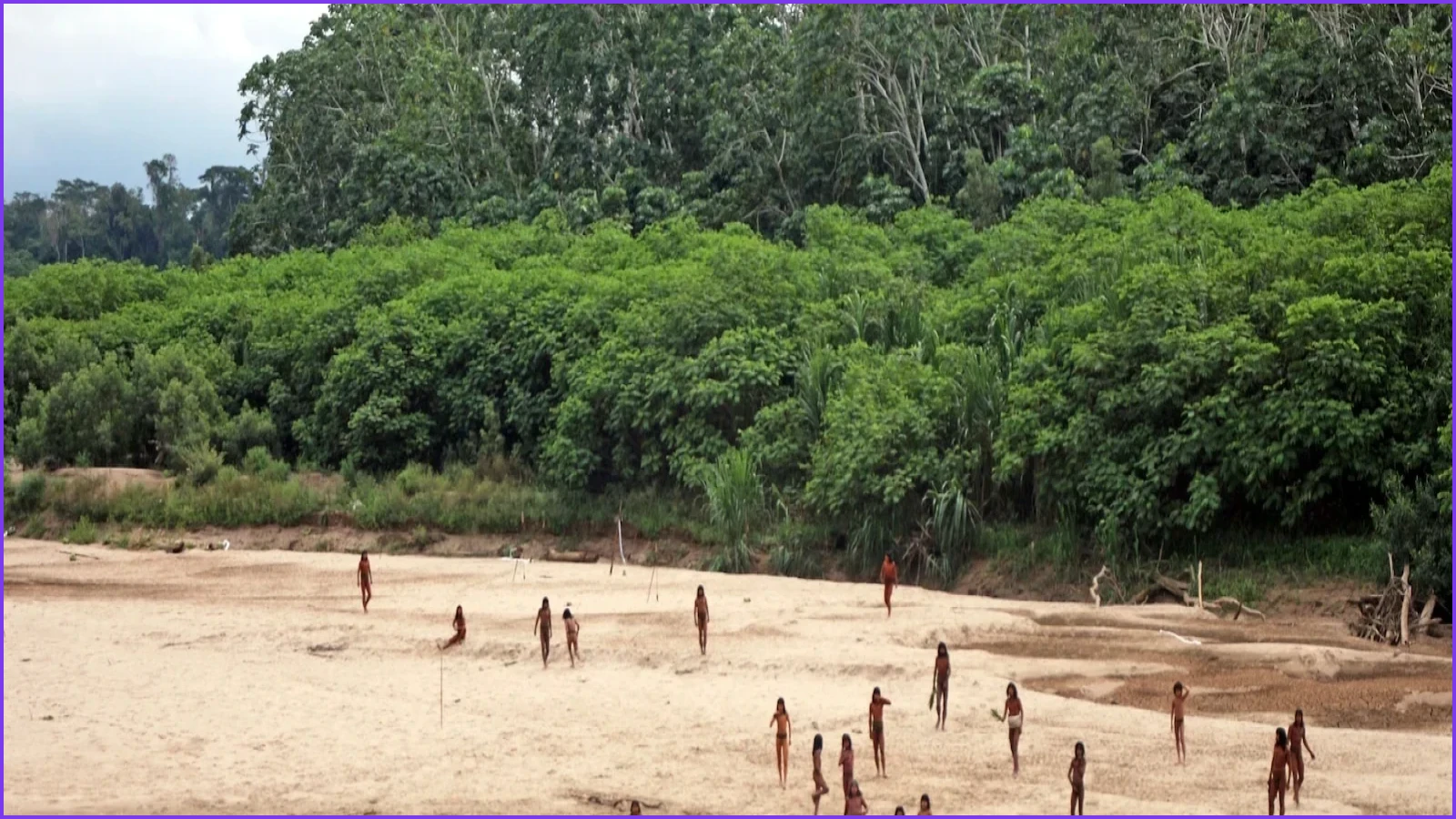
The region, which borders Brazil and Bolivia, has become a flashpoint for conflict. Images released by Survival International in 2024 depicted dozens of Mashco Piro individuals near logging sites. That same year, violent confrontations between the tribe and loggers resulted in at least two logger deaths, though the toll among the Mashco Piro remains unknown. Following these events, the Forest Stewardship Council suspended the certification of Maderera Canales Tahuamanu, a logging firm in the area, and withdrew it permanently in 2025. Survival International reports that logging operations have persisted regardless of the certification loss.
Peru’s Ministry of Culture, which oversees these protections, did not provide a comment by the time of publication. The situation has drawn international legal attention, as FENAMAD and EarthRights International filed a case with the Inter-American Court of Human Rights in September, accusing the Peruvian government of failing to uphold the Mashco Piro's rights to isolation and territorial protection.