Five Palestinians, including a woman, were wounded in Israeli attacks across Gaza on Sunday, as winter storms swept through the enclave, flooding displacement camps. Compounding the crisis, Israel's blockade continues to restrict the entry of crucial shelter items, despite a ceasefire agreement reached last year.
A medical source informed Anadolu that four Palestinians sustained injuries, one seriously, during an Israeli strike targeting a group of civilians in northern Gaza. Eyewitnesses reported that a drone fired a missile into a gathering of people in the Bir al-Naaja area, located west of Jabalia.
In the southern part of Gaza, a woman was shot in the back by Israeli forces while she was in the Qatari Camp, east of the Hamad residential complex in Khan Younis, according to the same medical source. Eyewitnesses further stated that Israeli military vehicles opened heavy fire towards southern Khan Younis and the al-Shakoush area, west of Rafah. Local sources also noted that Israeli artillery shelled areas east of Gaza City, though no injuries were reported from these shellings.
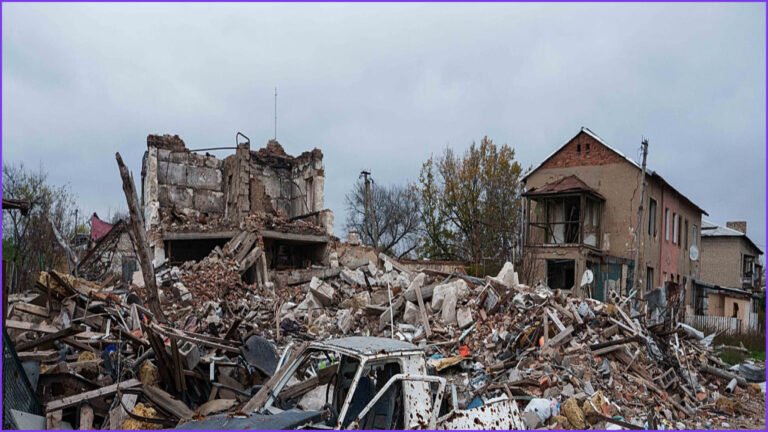
The Gaza Health Ministry reports that since the ceasefire took effect on October 10, 2025, at least 1,610 Palestinians have been killed and 5,819 others injured by Israeli fire. This agreement followed two years of what the ministry described as Israel’s genocidal war, which began in October 2023, resulting in the deaths of over 74,000 Palestinians, injuries to more than 175,000, and the devastation of 90 percent of civilian infrastructure.
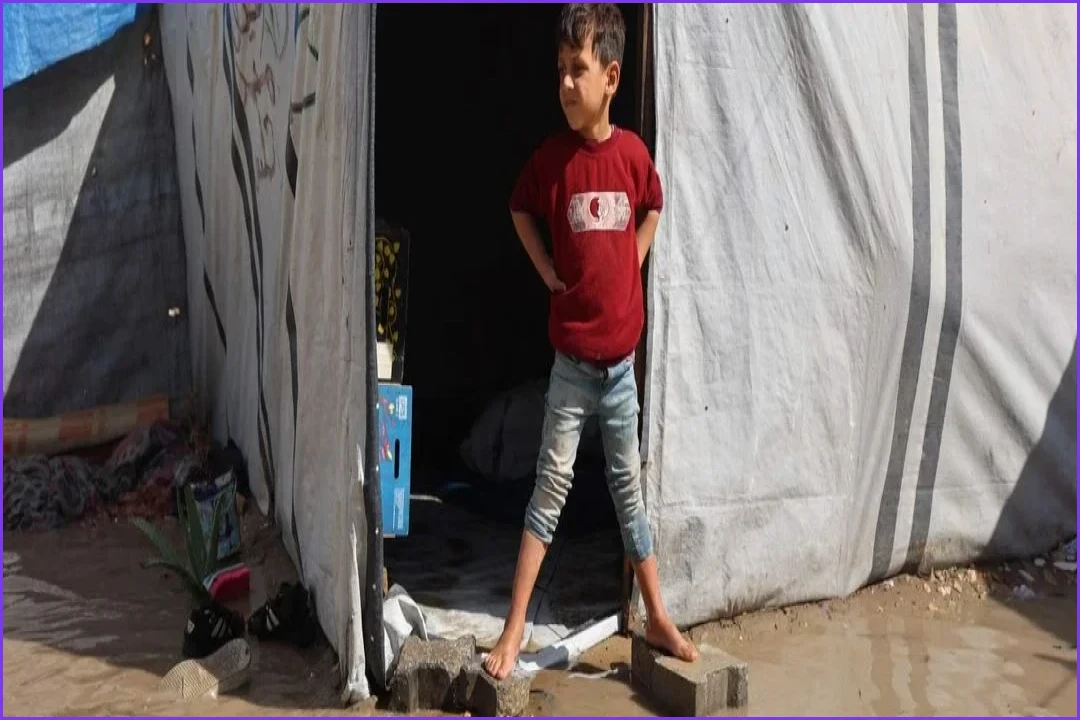
Winter storms, which commenced late Friday, have inundated approximately 70,000 tents housing displaced Palestinians, according to Gaza’s Government Media Office. The office highlighted that damaged infrastructure and a shortage of emergency equipment have severely complicated relief operations.
EU Commissioner for Equality, Preparedness and Crisis Management, Hadja Lahbib, called for increased humanitarian access to Gaza. Writing on X, she stated, “In Gaza, families are bailing water out of their tents with pots and pans.” Lahbib added, “The rain makes a crisis that was already unbearable worse,” and emphasized that aid organizations, despite the storm, “need more aid to get in, now.”
The UN agency for Palestinian refugees, UNRWA, reported on Thursday that approximately 1.98 million people in Gaza are in urgent need of shelter and other essential supplies, underscoring the immense scale of humanitarian need as winter approaches.
Hamas spokesman Hazem Qassem criticized Israel for continuing to tighten its siege on Gaza and block the entry of relief and shelter supplies, despite the ceasefire and the efforts of mediators and guarantor states. Qassem asserted that these actions are worsening the humanitarian catastrophe in the enclave. He urged mediating countries and their leaders to take immediate action to pressure all parties, prevent the crisis from deepening, and compel Israel to implement the ceasefire agreement.