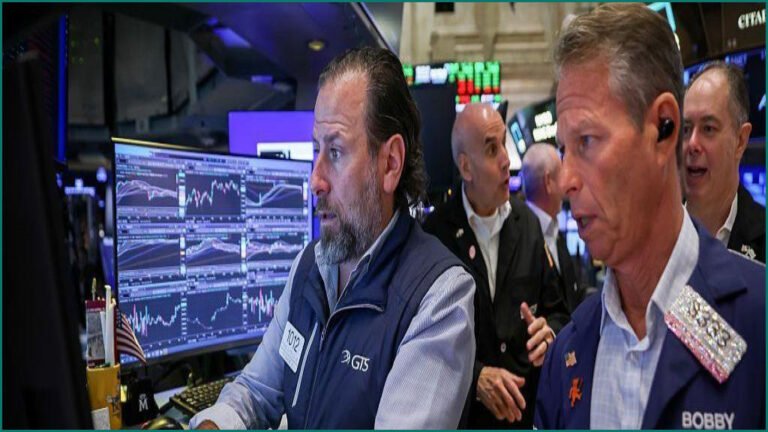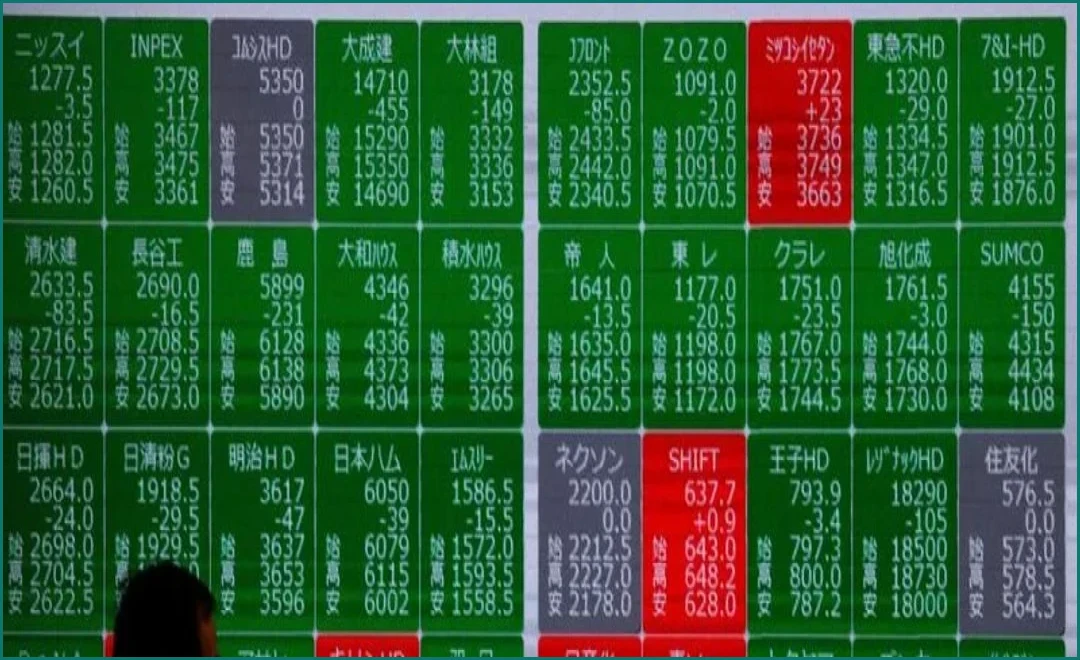
Technology shares across Asian and US trading floors experienced a steep selloff, driven by growing investor anxieties that major Democratic victories in the US midterm elections could trigger strict regulations on the artificial intelligence sector. Seoul and Tokyo sustained the heaviest losses in early Friday trading as market participants retreated over sector uncertainties, only five months after tech stocks helped lift markets to record highs.
The downturn began on Wall Street, where the tech-heavy Nasdaq Composite dropped 5.5 percent, marking its sharpest single-day percentage decline since April of last year when President Donald Trump announced broad global tariffs. The S&P 500 fell more than four percent, while the Dow Jones Industrial Average lost over three percent. Additionally, the Philadelphia Semiconductor Index collapsed approximately 16 percent over the week, putting it on track for its worst performance since April of last year.
Although the historic Democratic victory was initially viewed by some as potential pressure on Trump to wind down military actions against Iran, market attention quickly shifted to the future of AI infrastructure. Voters across the political spectrum have increasingly opposed data center projects, leading several midterm winners to pledge halts or slowdowns on such developments. Investor anxiety was further heightened by progressive US Senator Bernie Sanders calling for a national moratorium on data center construction.
Concerns also extended to corporate targets. Michael Hewson of MCH Market Insights noted that investors were exiting positions due to "concerns that we might see greater opposition to AI buildout plans, with the results in Texas prompting concerns that politicians in the state might target Elon Musk's Tesla and SpaceX due to his support for Trump." Meanwhile, Neil Wilson at Saxo Markets described the sharp downturn by stating, "The blood is in the streets, folks," adding that "the fear is a total momentum unwind as Democrats pace the frontier and kibosh data centre buildout… this looks totally overdone but the nature of sell-everything of this market means we need to look for some stability first."
Responding to the market drop, Trump posted on Truth Social, writing: "The Stock Market crashed today because the Dumocrats had a big Tuesday — So sad to see, you only have yourselves to blame! President DONALD J. TRUMP." Beyond political shifts, the market was already vulnerable due to hundreds of billions of dollars poured into AI development without immediate financial returns, recent spikes in borrowing costs, and elevated valuations that had unnerved traders.
The selling pressure intensified as Asian markets opened. South Korea's benchmark index plunged nearly nine percent at its lowest point, with semiconductor giant SK hynix sliding 10 percent and Samsung dropping eight percent. The Kospi, which had more than doubled from late December to its record high in mid-June, has now surrendered almost 50 percent of its value since that peak. In Tokyo, the market fell seven percent as Kioxia and SoftBank lost more than 10 percent each, while Advantest declined over eight percent.
Elsewhere in Asia, Taiwan's Taiex tumbled roughly eight percent, weighed down by a seven-percent drop in TSMC. Equity benchmarks in Hong Kong, Shanghai, Sydney, and Singapore all recorded losses exceeding one percent, with markets in Wellington and Manila also ending in negative territory. Outside of equities, crude oil prices extended Thursday's gains following an earlier decline sparked by midterm election results and tentative hopes for an end to the conflict with Iran, as both US and Iranian leaders previously signaled progress. Investors were also looking ahead to the release of official US employment data later in the day, following mostly positive economic reports earlier in the week.