Deploying six specific health and climate measures could prevent approximately 1.6 million deaths globally each year—representing roughly one in every 40 fatalities worldwide—while unlocking trillions of dollars in economic and fiscal returns, according to a report published Wednesday by the World Health Organization.
Emphasizing the urgency of the findings, WHO Director-General Tedros Adhanom Ghebreyesus stated that the climate crisis is fundamentally a health crisis, noting that much of its damage can be averted using existing tools. He urged governments to place health at the center of upcoming climate negotiations, highlighting that expanding proven and affordable interventions could save millions of lives, particularly across nations that require the greatest assistance.
Currently, an estimated 3.6 billion people live in regions that are highly vulnerable to climate change and its associated health hazards. Looking ahead, the WHO warned that climate change could expose an additional 500 million people across the globe to vectors that carry climate-sensitive diseases by 2050.
The report outlines six primary interventions designed to mitigate these impacts. First, heat-health warning systems can alert communities to dangerous temperature surges while triggering targeted protective measures, including hydration campaigns, cooling facility operations, and direct outreach to vulnerable populations. Second, climate-resilient drinking-water services are needed to guard against supply shortages and contamination caused by extreme weather events. Third, ensuring access to basic sanitation, hygiene, and handwashing facilities serves as a vital defense against waterborne pathogens.
Fourth, transitioning to cleaner household fuels and heating technologies would significantly diminish indoor air pollution and greenhouse gas emissions. This transition can directly prevent illnesses and fatalities associated with respiratory infections and major non-communicable diseases, such as stroke, ischaemic heart disease, lung cancer, and asthma.
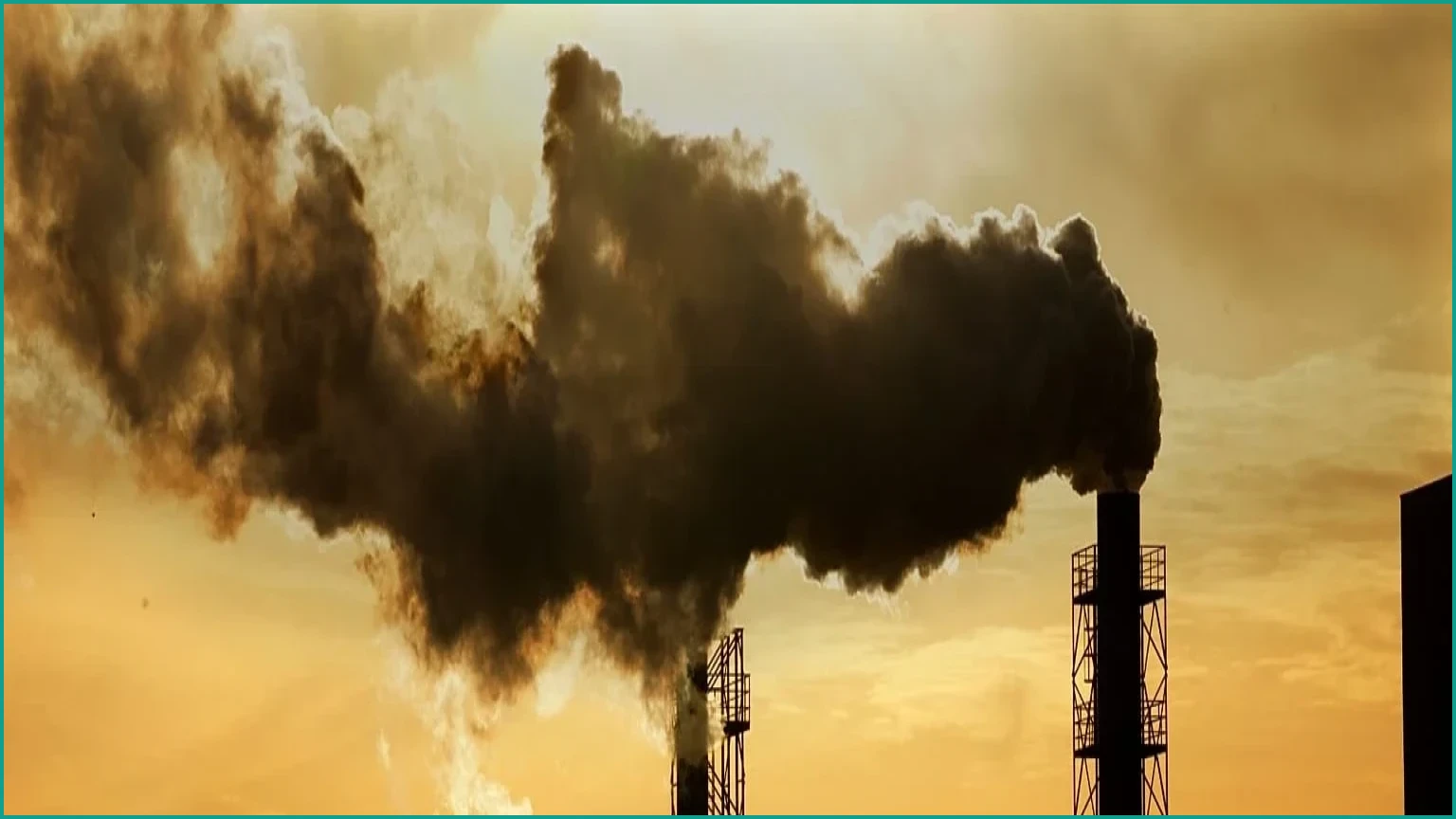
Fifth, the agency called on governments to implement more effective fossil fuel pricing policies that reflect the true toll of fossil fuels on human health, the climate, and the environment. Phasing out fossil fuels yields the single largest health benefit, preventing over one million premature deaths annually from chronic obstructive pulmonary disease, stroke, lung cancer, ischaemic heart disease, asthma, and road traffic accidents, while generating US$5.4 trillion in yearly fiscal returns. For the remaining five interventions, every US$1 invested is projected to produce an average return of US$24.8 in benefits, with the highest returns expected in low- and middle-income countries to help narrow health and economic disparities.
“Scaling up proven, affordable actions could save millions of lives, with the greatest gains in the countries that need them most,” Tedros said. “As governments prepare for the next round of climate negotiations, protecting health must be at the centre of climate action.”