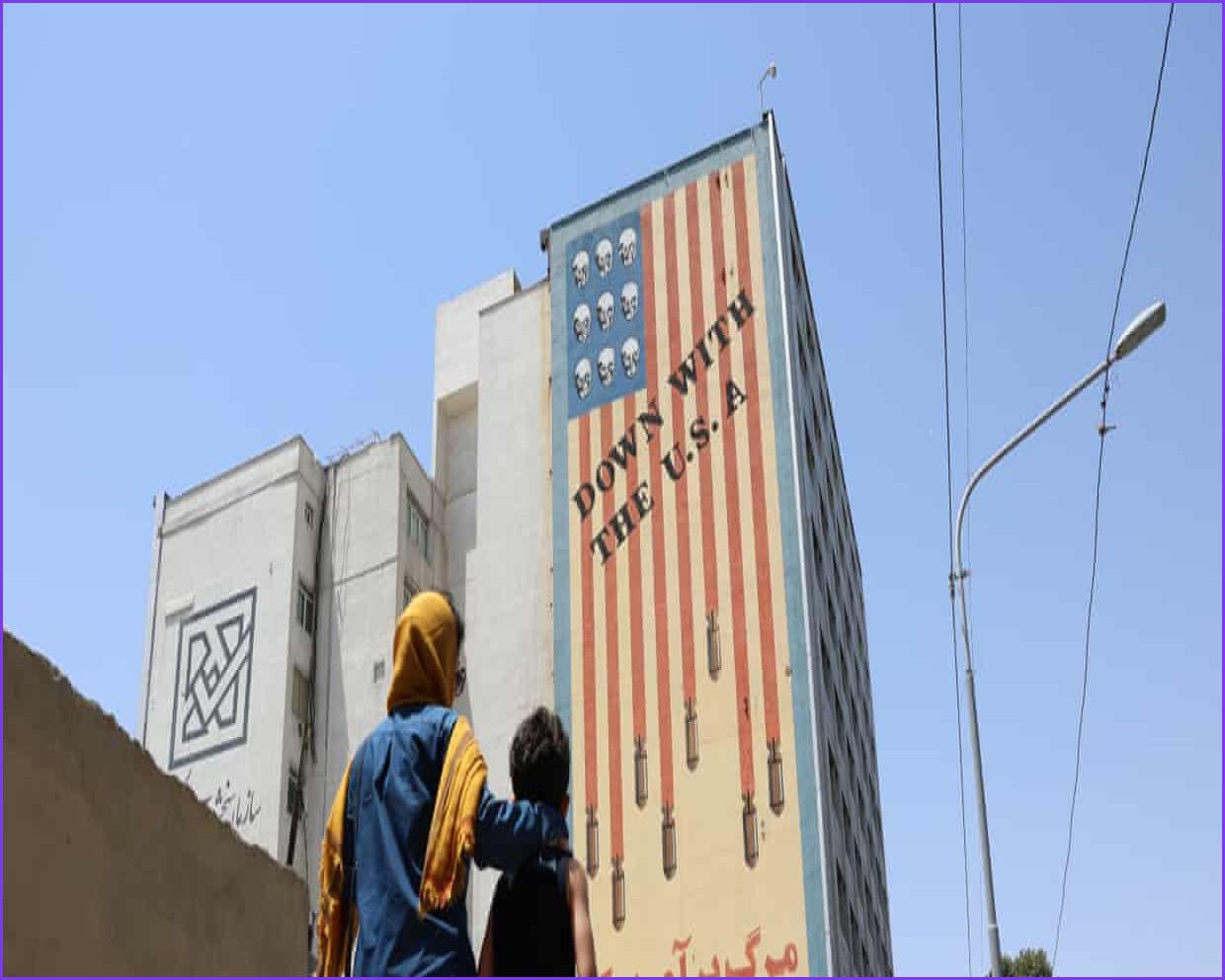
Hopes of averting a major new conflagration between the United States and Iran following Tuesday’s midterm elections may rest on Tehran's response to a personal letter sent by US Vice-President JD Vance. The communication, which arrived on Sunday at the office of Mohsen Rezaei, the secretary of Iran’s supreme national security council, represents a significant sign that Washington has not abandoned diplomacy. The letter was facilitated through Qatari mediation.
The proposal requires Iran to commit to specific conditions regarding its nuclear program in exchange for US sanctions relief. A key element of the process would lead to the opening of the Strait of Hormuz within seven days. However, Tehran remains reluctant to provide upfront, irreversible commitments—such as exporting its stockpile of highly enriched uranium to a third country—if the corresponding US gestures, including lifting oil sanctions, are deemed reversible. Discussions have included the possibility of a third-party guarantee to ensure both sides adhere to their commitments, with China frequently cited as the only nation possessing sufficient status to underwrite such an agreement.
The Iranian government has expressed skepticism toward the US demands regarding the sequencing of these actions. Chief negotiator Mohammad Ghalibaf stated on X that Iran’s conditions remain unchanged and have been clearly communicated to mediators. Ghalibaf emphasized that the “carrot-and-stick” approach is ineffective, noting that progress is contingent upon the agreement of seven conditions. Those conditions include lifting sanctions, ending asset freezes and ending the war on all fronts, a phrase that requires an Israeli ceasefire in Lebanon.
Washington’s preference for front-loaded commitments regarding the removal of enriched uranium is met with resistance in Tehran, where officials fear losing bargaining leverage. Furthermore, Iran is wary of the return of UN nuclear inspectors, concerned that their presence could provide the US with intelligence on the state and location of its stockpile. As an alternative, Iran has proposed blending the material down so it can no longer be used for nuclear weapons. The letter was addressed to Rezaei rather than Ghalibaf or Foreign Minister Abbas Araghchi, as the US believes decision-making power resides with officials closest to the Islamic Revolutionary Guards Corps.
Tensions remain high, as Iran has formulated plans to strike US interests in the region, including desalination plants, power grids, and internet cables, should a conflict erupt. While some US officials, including the Connecticut senator Chris Murphy, told a briefing at the Middle East Institute: “I did get a fairly detailed conversation about what the war plan would be … I will just say this their plan is insane. It will lead to devastating escalation and the likely destruction of our commitment to the rule of law,” the US administration continues to evaluate its options. Despite past frustrations—including a 14-point memorandum of understanding that collapsed when other US officials took control of its implementation—Tehran maintains a marginal level of trust in Vance compared to other White House figures.
That led to unilateral US steps to reopen the strait of Hormuz that Iran said contravened the terms of the agreement. Trump also came to detest it because it delayed the start of nuclear talks for as long as 60 days.