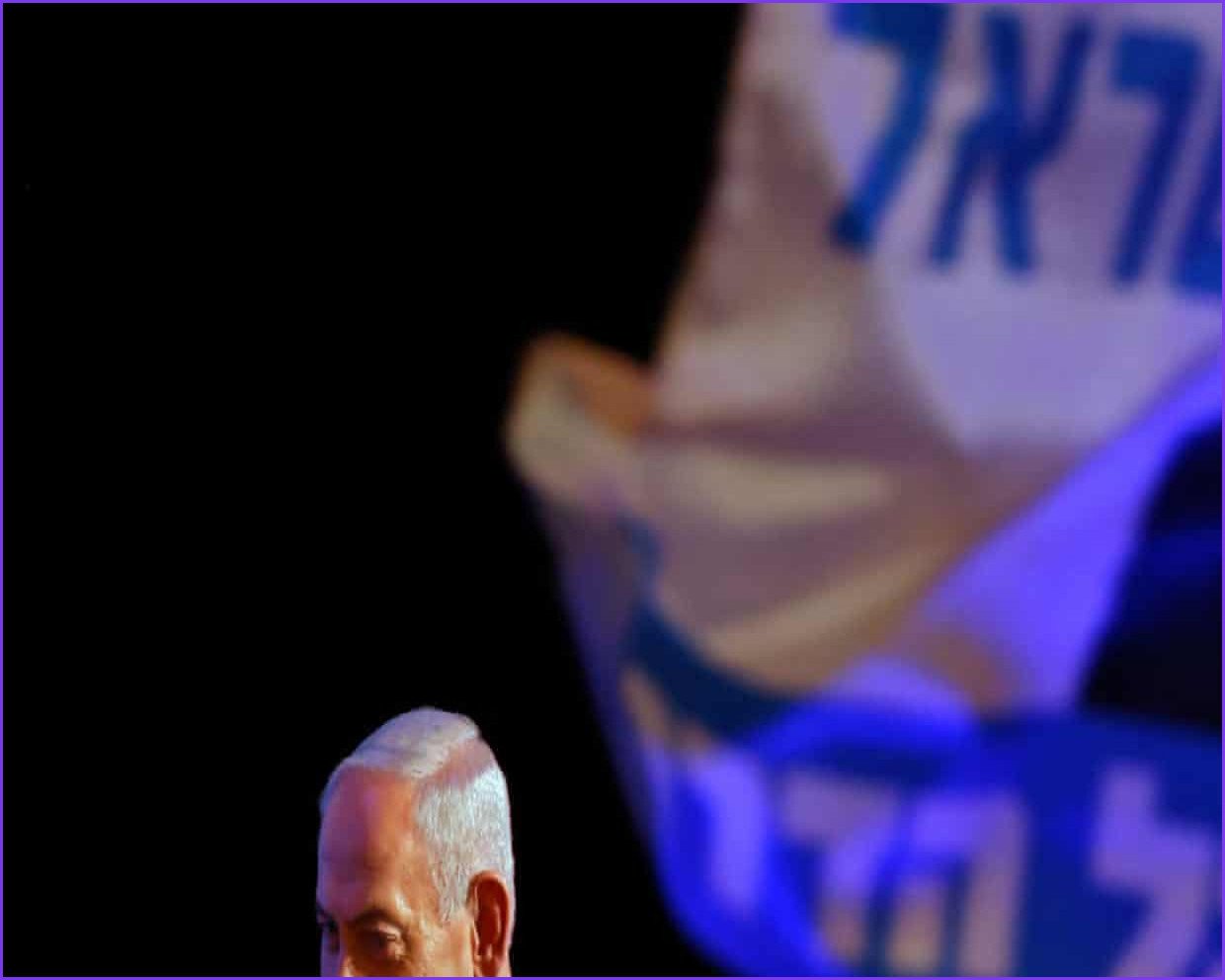
Prime Minister Benjamin Netanyahu faces sharp criticism after accusing Arab Israeli parties of using foreign financial backing to "steal" Tuesday’s election. The allegations come as the prime minister’s far-right coalition lost its parliamentary majority following four years in power. Netanyahu and his allies have requested that the Shin Bet, Israel’s internal security service, conduct an investigation into claims of vote-buying and other irregularities within Palestinian communities.
Gadi Eisenkot, leader of the main opposition bloc, condemned the move, accusing the prime minister and his Likud party of launching a coordinated campaign to undermine the democratic outcome. "It’s already clear that Likud and Netanyahu have embarked on a coordinated, organised campaign seeking to delegitimise the results of the election," Eisenkot stated in a video message. While Eisenkot suggested any probe should be conducted with "the utmost caution" and "without fear or favour," he maintained that such an investigation cannot serve as a pretext for delaying the swearing-in of the new Knesset, which is mandated to occur within 14 days of the election.
The prime minister’s claims were met with swift pushback from government and election officials. Acting director general of the central elections committee, Dean Livneh, stated there appeared to be no basis for the allegations. Police officials have also described the claims as groundless, noting that the voting process was relatively trouble-free. President Isaac Herzog publicly rebuked the rhetoric, urging political leaders to "avoid tarnishing an entire community that sought to exercise its right to vote and take an active part in democracy."
Although the prime minister did not specify the source of the alleged foreign funding, press reports have identified Qatar. Majed al-Ansari, an adviser to the Qatari prime minister, "categorically" denied any involvement in the Israeli elections. Former prime minister Naftali Bennett, a partner in the "Change" opposition bloc, noted the irony of the accusation, pointing to reports that Netanyahu’s own political advisers have previously been accused of accepting Qatari money to promote the Gulf monarchy’s image.
The political landscape remains deadlocked. With nearly all votes counted, Netanyahu’s coalition holds 53 seats in the 120-seat Knesset, while the opposition bloc led by Eisenkot holds 48. The Joint List and Ra’am parties hold 19 seats, marking a historic high for the Arab Israeli community. The record turnout was largely driven by concerns over discrimination and the potential influence of extremist cabinet members like Itamar Ben-Gvir and Bezalel Smotrich.
Analysts suggest Netanyahu’s rhetoric is intended to prevent a tactical alliance between Jewish and Arab opposition parties. Such a coalition could potentially unseat the current speaker, Amir Ohana, and advance legislation, including a proposed commission of inquiry into the security failures surrounding the 7 October 2023 Hamas attack, which Netanyahu has previously blocked.