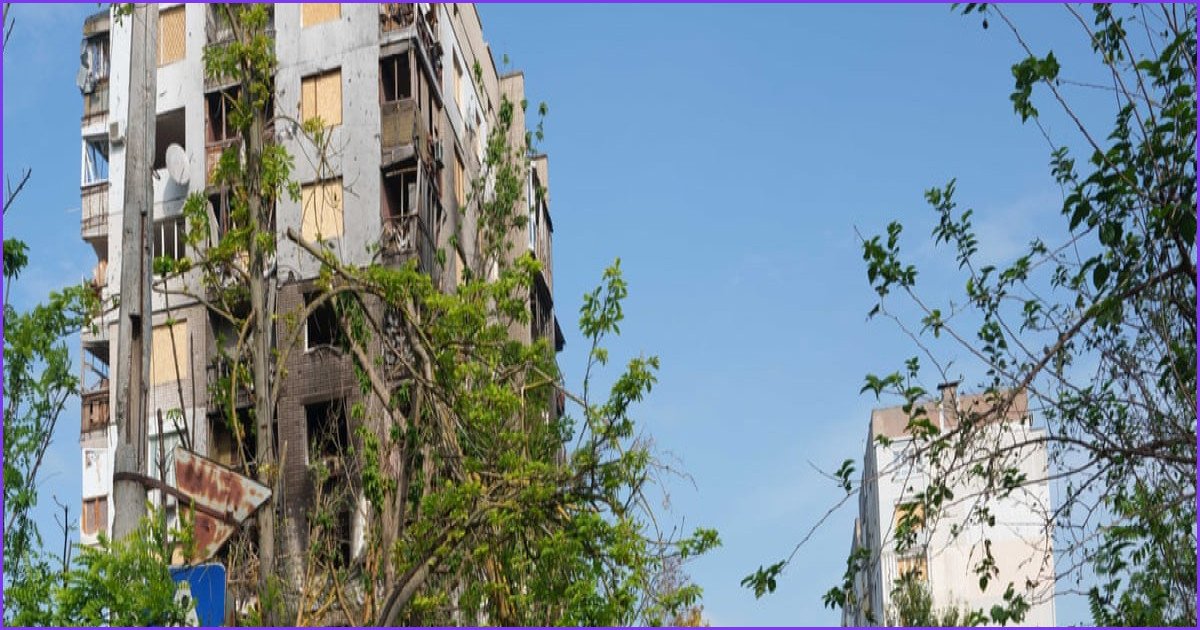
A local ceasefire in the Russian-occupied city of Oleshky in the Kherson region has held for a second consecutive day, raising hopes for the delivery of critical aid to approximately 2,000 stranded residents. Both Russian and Ukrainian human rights ombudsmen confirmed on Wednesday that the US-brokered truce, which commenced early Tuesday morning, has remained stable. Dmytro Lubinets, the Ukrainian ombudsman, reported that 30 hours of the ceasefire had passed without a single incident. His Russian counterpart, Yana Lantratova, issued a statement confirming that no incidents had been recorded during the same period.
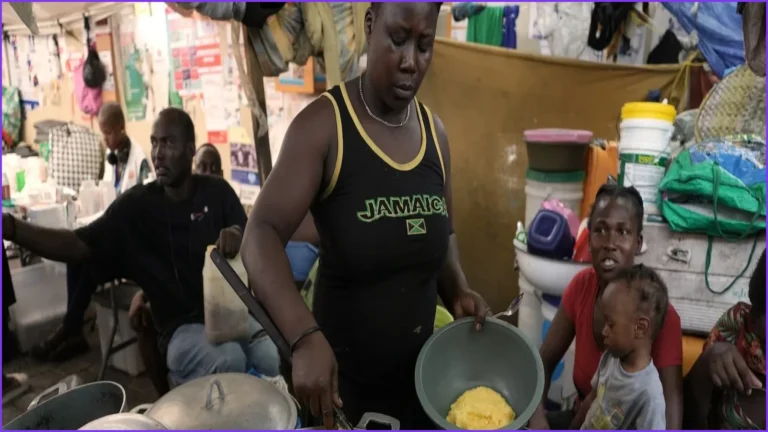
According to the office of Dmytro Lubinets, the ceasefire is being guaranteed by the physical presence of both Ukrainian and Russian ombudsmen on the ground. Lubinets noted on social media that demining of the transit route is currently underway, describing the operation as a crucial step toward ensuring the safe delivery of humanitarian aid and allowing civilians who wish to leave the city to do so. The situation in Oleshky has become increasingly dire, with reports of severe food and medical shortages leading some residents to resort to eating weeds.
Ukrainian President Volodymyr Zelenskyy, speaking to reporters in The Hague, stated that since the truce began, there have been no massive attacks on the regional capital of Kherson, which had a pre-invasion population of about 280,000. Zelenskyy expressed hope that the evacuation of Oleshky’s citizens would proceed, calling the potential success of the mission highly significant.
Regarding broader diplomatic efforts, Kremlin foreign policy aide Yuri Ushakov indicated that the timing of future three-way talks on the conflict is linked to the situation in the Middle East, casting doubt on whether meetings will occur next month as previously proposed. While Zelenskyy expressed a desire for a meeting in Abu Dhabi between 6 and 10 November, Ushakov noted that Moscow had not yet proposed a specific date, citing the global situation as a factor that does not currently allow for near-future discussions.
In other developments, Russian President Vladimir Putin praised Elon Musk as a “genius” while confirming he is in communication with Starlink’s controlling shareholder as Russia works to develop its own satellite communications network. Meanwhile, the Dutch government announced a €500m military support package for Ukraine this winter, alongside a separate commitment of €1.2bn in non-military support over the next three years. Additionally, industry sources report that Russian authorities have issued permits for grain vessels to leave the Sea of Azov for the first time since 10 July, with transit through the Kerch Strait authorized through 15 November.
No reported incidents in 30 hours in the occupied Ukrainian city. What we know on day 1,709
The Netherlands will supply Ukraine with €500m ($557m/£$418m) in military support this winter, the Dutch prime minister said. The support would be used to supply drones and other material to strengthen Ukraine’s defence, Rob Jetten said after meeting Zelenskyy in The Hague. Earlier on Wednesday, the Dutch government announced it would give Kyiv €1.2bn in non-military support in the next three years. Part of the money would be used for funds that supported Dutch companies willing to invest in the rebuilding of Ukraine.