Student union representatives in France have called for pupils to maintain school blockades and continue participating in street demonstrations, rejecting a new package of government education reforms. Speaking to France Info television on Monday, Pierre Sourzat of the student group Les Lycéens stated that while students are currently engaging in negotiations with the government, they remain in a power struggle and must continue their mobilization to ensure their core demands are met. Sourzat emphasized that students are seeking concrete measures rather than what he described as "half measures."
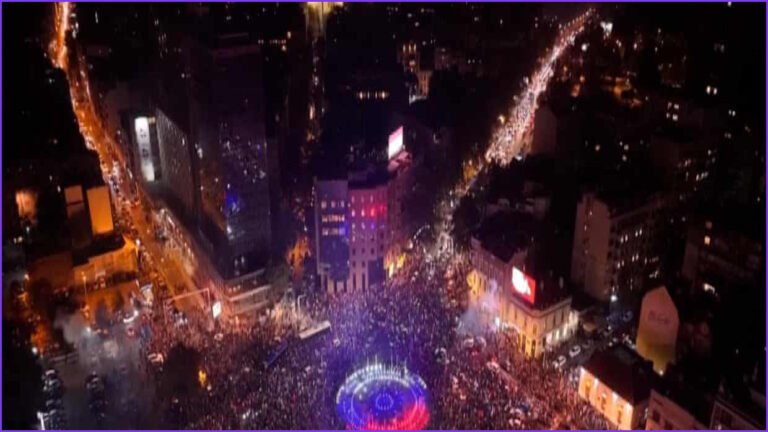
The government's proposals follow more than five weeks of high school blockades that began in September, marking a significant youth-led protest movement that has since been bolstered by trade unions and cost-of-living activists during weekly Saturday demonstrations. Students have consistently demanded an end to staff shortages and funding for the renovation of dilapidated school buildings, citing issues such as collapsing ceilings, mold, broken toilets, and a lack of basic furniture and functional windows.
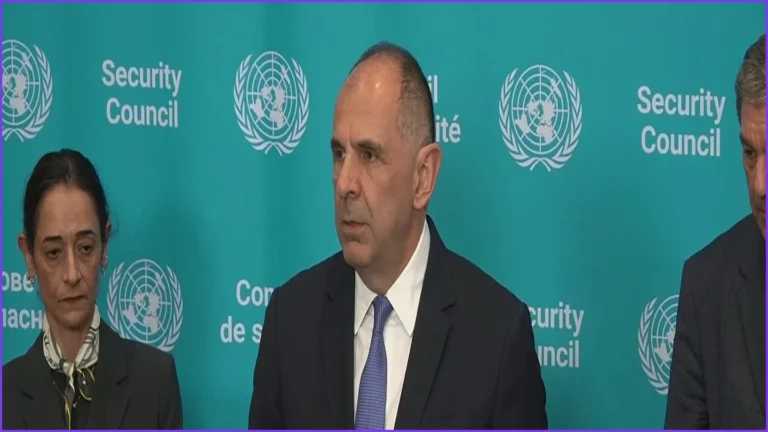
In response to these grievances, Education Minister Édouard Geffray acknowledged that some facilities are currently unfit for teaching and announced a €4bn government loan for regional authorities to begin necessary repairs. Regarding complaints of overcrowding, Geffray promised to cap class sizes for 15-year-olds at 28 students in half of the schools located in the lowest-income areas, with plans to expand this policy to all high schools next year. Additionally, the government pledged to create more teaching positions and review the French baccalaureate system.
Changes are also expected for the university application platform, Parcoursup, which students have criticized as opaque and unfair. The government plans to replace the system by 2028, with a parliamentary debate on the matter scheduled for Wednesday. Higher Education Minister Philippe Baptiste confirmed the creation of 15,000 additional student places, with a focus on vocational programs, and noted that the government remains open to further discussions.
The ongoing unrest has faced security challenges, with several students suffering serious injuries from police-deployed explosive weapons, and hundreds of arrests made. Following severe violence on October 17, which included looting and vandalism, authorities have implemented curfews and protest bans in various cities. Interior Minister Laurent Nuñez also reported a new trend involving ultra-right groups appearing in organized formations to target protesters in cities such as Nice and Montpellier, with eleven individuals currently facing charges.
President Emmanuel Macron, speaking during a visit to Marseille, warned that street protests will likely continue and designated the upcoming demonstrations on October 31 as a "day of risk." Addressing police officers, Macron stated that the current state of turmoil is abnormal ahead of the presidential election, where he will step down next spring. While acknowledging intelligence and security failures during the October 17 clashes, Macron insisted the government would maintain order while seeking to address legitimate expectations, though he cautioned that the outcome remains uncertain.