With the midterm elections just two weeks away, a mounting sense of unease has taken hold among state election officials, who fear that the federal government's aggressive pressure on local administrators is actively breeding distrust in the nation's voting system. Recent months have seen federal agents seizing ballots and conducting examinations of voting machines, while the Justice Department remains locked in widespread legal battles with states across the country. These disputes center on federal demands for access to individual voter information, a move that has drawn sharp criticism from local leaders.
The tension reached a new peak this past week when the Justice Department threatened to prosecute California election officials if they knowingly count mail-in ballots from 20,000 individuals whom the Trump administration claims are "likely noncitizens." For Utah Lt. Gov. Deidre Henderson, a Republican in a deeply red state, this represents a form of interference she has never encountered before. "In the past two elections that I oversaw as lieutenant governor, the threats were all external: non-state actors, cyber security threats and other things," Henderson said. "But now we also have threats coming from within our own government."
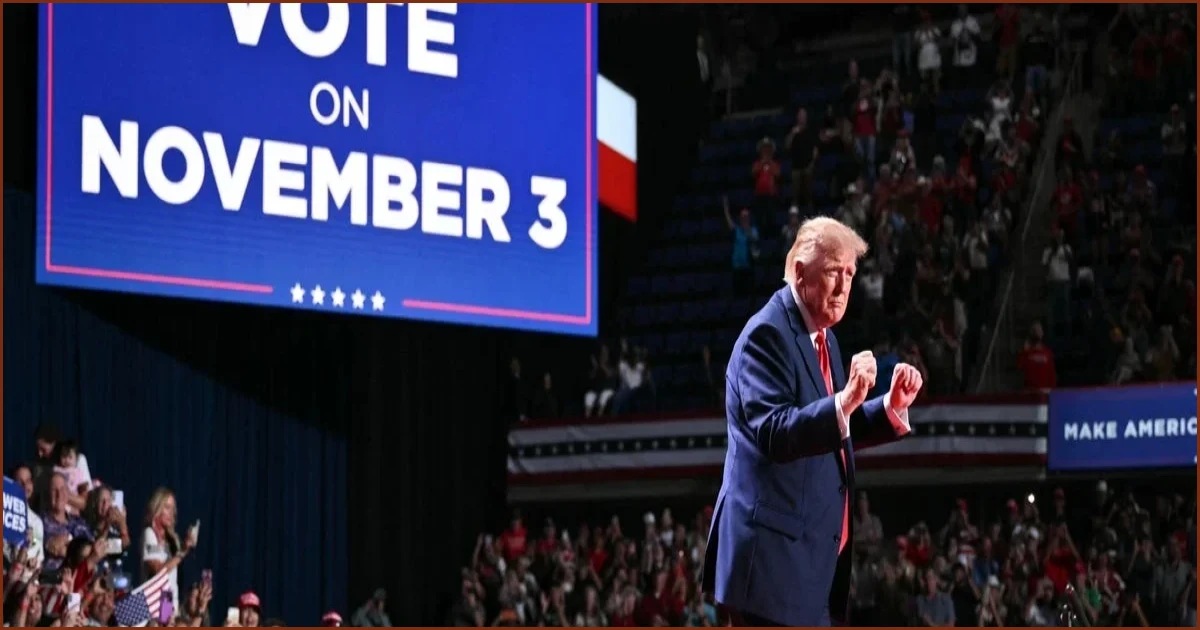
Under the U.S. Constitution, specifically Article I, elections are inherently local, managed by towns, counties, and states. While Congress possesses the authority to regulate elections, the president holds no formal role in their daily administration. Despite this constitutional framework, Mr. Trump has signed two executive orders during his second term concerning voting: one requiring documentary proof of citizenship to register and another focused on mail-in ballots. The Justice Department's "relentless efforts to unlawfully gain access to states' protected voter data and purge voter rolls serve only to cause chaos and fuel public distrust in our elections," Weber said in a statement.
Harmeet Dhillon, head of the Justice Department's Civil Rights Division, defended the administration's stance in an interview, stating, "Noncitizens cannot vote in federal elections. So the question is simply how many of them there are." Last year, the Justice Department requested full and complete voter rolls from nearly every state, seeking confidential information including social security numbers, full dates of birth, and driver's license numbers. Henderson, who oversees Utah's elections, refused to comply, noting she was never provided with adequate answers regarding why the federal government required such sensitive data or how it would be utilized. Officials in 29 other states, both Democratic and Republican, have also refused to comply, prompting the Justice Department to file lawsuits against all of them.
The Trump administration argues that access to these rolls is essential to purge lists of immigrant voters who are not entitled to vote. The administration has alleged, without providing evidence, that 278,000 noncitizens are registered to vote, and a White House spokesperson has claimed that noncitizens "continue to register and vote in federal elections." While noncitizen voting does occur, it is considered extremely rare. New Jersey Gov. Mikie Sherrill noted this summer that a software glitch led to thousands of noncitizens being mistakenly registered in her state, with about 340 of them actually casting ballots. Since the start of Mr. Trump's second term, the Justice Department has charged more than 100 noncitizens with voting illegally. In Utah, Henderson reported finding only 52 questionable voters out of more than 2 million registered voters.
The rhetoric from federal officials has remained intense. DHS Secretary Mullin warned this summer that any election official who knowingly allows noncitizens to vote could be prosecuted or even sent to prison. Henderson dismissed the threat, calling it "silly." However, the situation escalated last month when the Justice Department informed Henderson in writing that she was under investigation. "I have to tell myself it doesn't matter what the consequences are, as long as I feel like I'm doing what's right," she said. "I think this is an important thing for me to do, holding these guard rails, holding the line. Someone has to."
Henderson maintains that fair elections are still possible, but she expressed concern over whether losing candidates will accept the results. "We are seeing a trend of candidates who lose races now refusing to concede, saying it was rigged, saying it wasn't fair, even when it isn't close," she said. "Candidates who lose can do so much good by graciously conceding. That will instill confidence in the public."
The impact of federal intervention is also visible in Fulton County, Georgia, where armed federal agents seized ballots from a local facility in January. "In my wildest dreams, I never imagined that we would be raided by the FBI," Fulton County Commissioner Dana Barrett, a Democrat, told 60 Minutes. The agents operated under a criminal search warrant that Georgia's secretary of state described as being full of "baseless and repackaged claims." The warrant allowed the seizure of ballots and other materials from the 2020 election, which Mr. Trump has repeatedly claimed he won. Federal agents packed up more than 600 boxes of election records, and then director of National Intelligence, Tulsi Gabbard, watched as the materials were loaded onto trucks. Barrett stated she has no idea where the ballots are now and believes the seizure was "political theater aimed at undermining the 2026 and 2028 elections."
According to an internal FBI email obtained by 60 Minutes, the FBI temporarily reassigned 260 analysts three months ago to work on a "priority investigation" into the Georgia materials. To date, nothing has emerged from the investigation. While there have been dozens of probes into the 2020 election in Fulton County, none have changed the outcome. "People see all of these investigations and FBI raids and subpoenas and they say, 'Something must be wrong there. Why should I believe the results?'" Barrett said.
Dhillon stated that the administration is aggressively pursuing new investigations and is examining "thousands" of possible cases of noncitizen voting. "We've been in office for less than two years. We've had investigations ongoing for over a year and it takes time," Dhillon said. She added that there have been irregularities in prior elections and noted that a record number of election observers and monitors—more than 1,000—would be present at the polls during the midterms to increase voter confidence. Recent surveys show that only about half of Americans expect the midterms to be free and fair. Regarding concerns that Mr. Trump might challenge the midterm results, Dhillon called such fears "paranoia," noting that if a noncitizen votes, that individual vote would be challenged rather than the entire election. "I don't know what is going to happen," Dhillon said, "but I can tell you that absent some shocking contingency that is unexpected, there should be no interruption in the usual course of counting and certifying the results in the states."